


U.S. aquaculture faces nearly eight times more federal regulation than other food sectors, study finds

Study finds U.S. aquaculture faces more federal regulation than other food sectors, raising questions about current policies
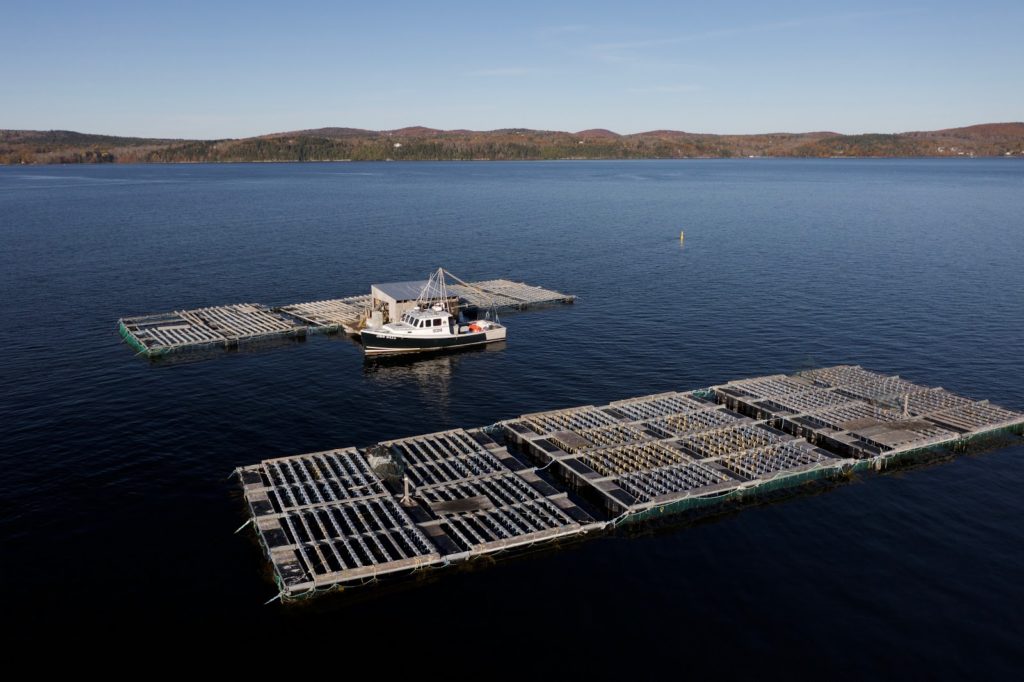
Aquaculture in the United States is subject to significantly more federal regulation than other food production sectors, according to a study analyzing five decades of data.
The research, conducted by a team from institutions including the University of Colorado Boulder, the University of California Santa Barbara, the University of Helsinki and the University of Oxford, found that aquaculture faces nearly eight times more federal regulations than terrestrial livestock and roughly three times more than crop production.
The analysis drew on the Code of Federal Regulations from 1970 to 2020, covering 44 food-related industries across five sectors: aquaculture, crop farming, fishing, hunting and trapping and terrestrial livestock farming.
Aquaculture has faced the highest number of direct federal regulations each year since at least 1970 and is overseen by a broader range of agencies than other food sectors, including the U.S. Department of Agriculture and the Environmental Protection Agency.
![Ad for [BSP]](https://www.globalseafood.org/wp-content/uploads/2025/07/BSP_B2B_2025_1050x125.jpg)
“We found that the total number of food system regulations has increased over time, with large disparities across individual food sectors,” wrote the researchers.
The study also compared regulatory intensity with environmental indicators such as greenhouse gas emissions, land use and water use per kilogram of food produced. In several cases, lower-impact sectors, including aquaculture, were subject to as many or more regulations than higher-impact industries such as beef and lamb production.
The results suggest aquaculture may face a disproportionate regulatory burden, potentially putting it at a disadvantage in the U.S. marketplace. Researchers pointed to several factors, including the sector’s poor fit within traditional agricultural frameworks and the involvement of multiple agencies with limited coordination.
“While the number of regulations is only a proxy measure of regulatory burden, our results suggest that the U.S. federal regulatory landscape might disadvantage some lower-environmental-impact food industries and their products in the U.S. marketplace, especially aquaculture,” wrote the researchers.
The findings raise questions about whether current policies align with efforts to support lower-impact food production. The study said regulators could address the issue by standardizing requirements across food sectors or clarifying the policy goals behind the current framework.
Now that you've reached the end of the article ...
… please consider supporting GSA’s mission to advance responsible seafood practices through education, advocacy and third-party assurances. The Advocate aims to document the evolution of responsible seafood practices and share the expansive knowledge of our vast network of contributors.
By becoming a Global Seafood Alliance member, you’re ensuring that all of the pre-competitive work we do through member benefits, resources and events can continue. Individual membership costs just $50 a year.
Not a GSA member? Join us.
Author

Related Posts

Intelligence
Will the tariff tiff tear at the fabric of Canada-U.S. seafood trade?
As Trump tariffs loom, the U.S.-Canada seafood industry faces rising costs, job losses and supply chain chaos, forcing leaders to act fast.
Intelligence
How does aquaculture contribute to U.S. seafood production and the economy?
Results of a recent study show that the U.S. aquaculture industry contributes about $4 billion annually and supports more than 22,000 jobs.
Fisheries
MSC: United States is a global fisheries management leader
Ninety percent of U.S. fisheries by volume meet rigorous requirements for environmentally sustainable fishing practices, according to MSC.

Intelligence
Is the snack market the secret to growing America’s seaweed farming industry?
Survey says ready-to-eat seaweed products added to familiar foods drives consumer appeal, and other insights for the seaweed farming sector.