


Study tests three natural minerals as feed additives to improve health and growth of Pacific white shrimp

Findings suggest that illite can be used as a functional and eco-friendly feed additive to support healthy and productive shrimp farming
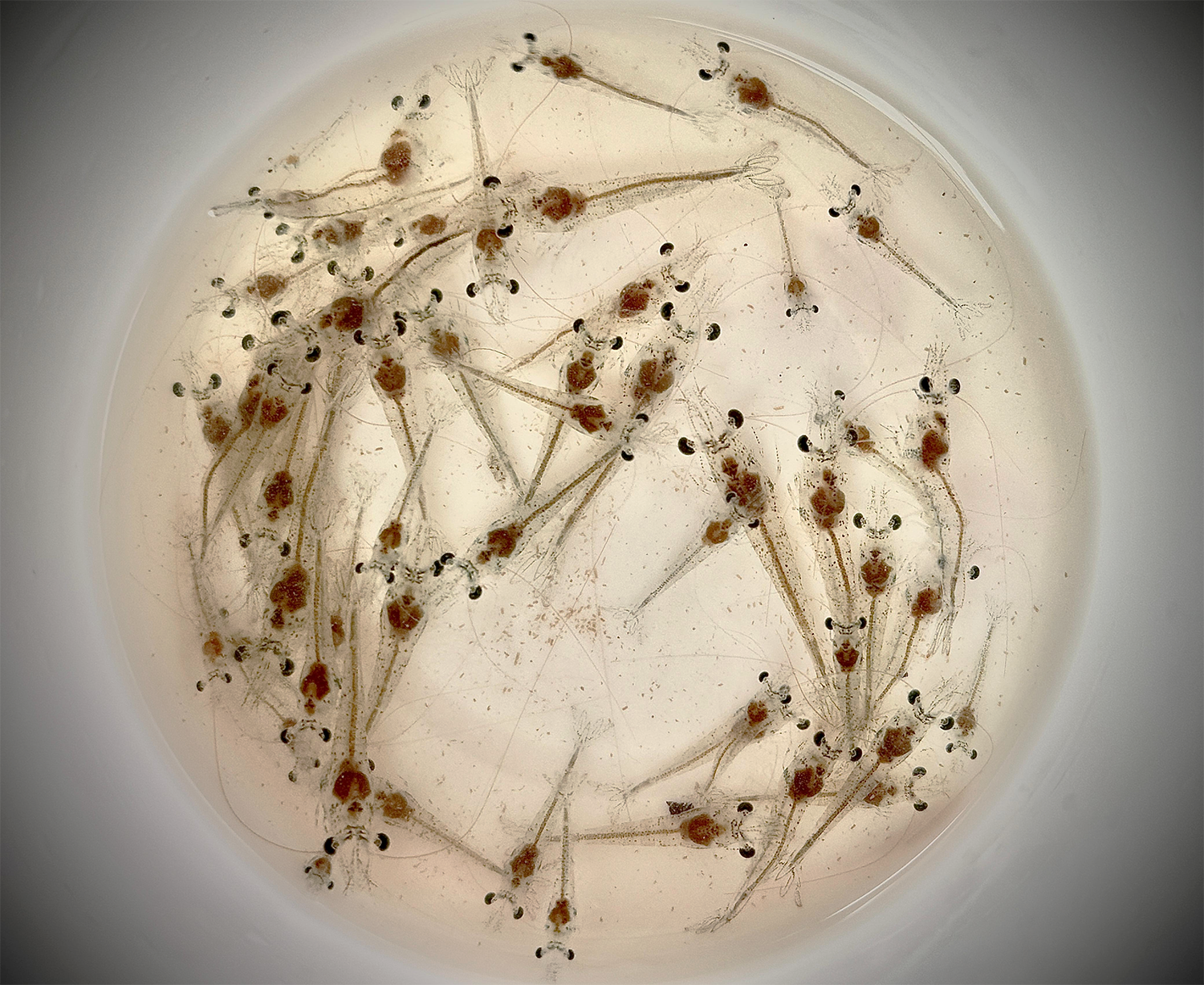
In the culture of Pacific white shrimp (Litopenaeus vannamei) and other important aquatic species, increasing attention has been directed toward natural dietary supplements regarded as safe and sustainable for improving growth, supporting immune function and mitigating environmental stress.
Minerals such as bentonite (BE), zeolite (ZE) and illite (IL) are increasingly used as functional feed additives owing to their strong adsorptive and ion-exchange capacities and ancillary pH-buffering effects. In aquafeeds, these properties are hypothesized to indirectly support growth and health by stabilizing the gastrointestinal milieu (e.g., reducing luminal irritants and fluctuation) and improving nutrient utilization, rather than exerting direct immunostimulatory effects.
Bentonite and zeolite have been widely examined across multiple aquaculture species, including shrimp, but to date, no studies have assessed the direct dietary use of pure illite in penaeid shrimp, indicating a substantial knowledge gap in the application of illite as a functional mineral in shrimp aquafeeds.
This article – summarized from the original publication (Kim, S. et al. 2025. Effects of Bentonite, Zeolite, and Illite as Dietary Supplements for Pacific White Shrimp (Litopenaeus vannamei). Biology 2025, 14, 1691) – reports on a study that investigated and compared the effects of dietary supplementation with bentonite, zeolite and illite on growth performance, hematological indices, immune responses, and apparent digestibility in L. vannamei.

Study setup
Juvenile Pacific white shrimp were obtained from Daesang Aquaculture Industry (Taean, Republic of Korea), a single commercial hatchery in Korea that maintains its own domesticated broodstock population used for routine seed production. The shrimp were transported to the dedicated shrimp research facility at Kunsan National University.
Prior to the start of the feeding trial, all shrimp underwent a standardized two-week acclimation period, during which they were gradually transitioned from the hatchery diet to the basal experimental diet. After approximately three weeks of acclimation, individuals averaging 0.02 grams were randomly assigned to 12 tanks (50 liters each) at a density of 20 shrimp per tank, establishing three replicates per diet for the four test diets. The feeding trial was conducted for nine weeks (63 days).
Four isonitrogenous and isoenergetic experimental diets were formulated to contain approximately 35 percent crude protein and approximately 9.7 percent crude lipid, yielding an estimated gross energy value of 17.0 MJ/kg. All diets were produced at Kunsan National University. The control diet (CON) was formulated using 40 percent tuna by product meal, 20 percent squid liver powder, 15 percent soybean meal and 15 percent wheat flour as the primary protein and carbohydrate sources.
Additionally, 3 percent fish oil, 1 percent mineral premix and 1 percent vitamin premix were incorporated. In the three experimental diets, 5 percent of either bentonite, zeolite and illite was added to the basal formulation by replacing an equivalent amount (5 percent) of starch in the CON. We selected a 5 percent inclusion level for bentonite, zeolite, or illite by replacing starch in an isonitrogenous/isoenergetic formulation because this pragmatic dose is commonly employed for silicate minerals, allows detectable responses in growth and digestibility, and avoids nutrient-dilution or pellet-quality issues associated with higher inclusions. This resulted in four dietary treatments: CON, BE, ZE and IL.
For detailed information on the experimental design, animal husbandry, diet preparation, data collection and analysis, refer to the original publication.
Can dietary inclusion of montmorillonite clay help mitigate the farmed shrimp AHPND pandemic?
Results and discussion
The application of silicate minerals in aquaculture has garnered increased attention because of their potential to enhance the growth, immunity, and physiological stability across various aquatic species. In this study, L. vannamei fed the illite-supplemented diet exhibited significantly higher final body weight (5.95 ± 0.97 grams), weight gain, specific growth rate, and protein efficiency ratio than the other groups. The feed conversion ratios were significantly better in the IL (1.10 ± 0.03) and ZE (1.16 ± 0.02) groups than that in the BE (1.26 ± 0.05) and CON (1.32 ± 0.04) groups. Apparent crude protein digestibility peaked in the IL group (93.3 ± 0.70 percent) followed sequentially by the CON (87.3 ± 0.92 percent), BE (87.8 ± 0.88 percent), and ZE (89.1 ± 1.11 percent) groups
The results of this study demonstrate that dietary supplementation with silicate minerals, particularly illite, can substantially improve physiological and nutritional performance in L. vannamei. Shrimp fed the illite-supplemented diet (IL group) consistently exhibited superior outcomes compared to those fed the control (CON), zeolite-supplemented, and bentonite-supplemented diets. These findings highlight that silicates may enhance surface health and welfare in cultured fish species without adversely affecting organ function or systemic metabolism.
Bentonite, despite its widespread use as an aluminosilicate mineral in aquaculture and terrestrial livestock, has demonstrated highly variable efficacy depending on species, environmental conditions, and application context. In the present study with L. vannamei, dietary bentonite supplementation did not significantly influence growth performance, hematological indices, or digestive physiology. A key factor contributing to these discrepancies is the experimental environment under which bentonite has been tested by other researchers.
Considering several published studies, the collective evidence indicates that the physiological contributions of bentonite are most pronounced under stress- or toxin-induced conditions, such as mycotoxin exposure or oxidative challenge, where its adsorption capacity and gut-protective properties are likely to be engaged. Under the stable water quality, pathogen-free conditions, and toxin-free diets used in our experiment, such mechanisms may not have been activated, which provides a plausible explanation for the absence of significant bentonite-related effects in this study.
Our results also showed that dietary illite supplementation in L. vannamei shrimp produced modest but consistent benefits, including improved growth efficiency, feed utilization, antioxidant status, and hepatopancreatic health. These results support illite as a functional dietary ingredient in shrimp nutrition but do not imply universal superiority over other minerals. The effectiveness of illite depends on multiple factors: species biology, mineral properties, rearing environment, and intended function (e.g., toxin binding or nutrient supply). Species-specific testing is therefore essential when selecting illite and other mineral additives for aquafeeds.
Overall, illite and similar mineral additives can enhance physiological resilience in L. vannamei and other aquacultured species through multiple pathways: hepatoprotection, antioxidant support, immunostimulation, toxin adsorption, and potential antimicrobial action. We recommend further comprehensive liver histology studies to confirm hepatoprotective benefits.
In practical feeds, one key mechanism of adverse response at high inclusion is nutrient dilution when high-ash minerals replace nutrient-dense ingredients; therefore, maintaining iso-nitrogenous/iso-energetic formulation and conservative inclusion is essential. Across aquaculture, effective feed-additive ranges are commonly reported around ~0.4–4.5 percent depending on mineral type and species, zeolite can redistribute heavy metals across tissues, underscoring the need to monitor tissue-specific burdens during long-term use. Safety is generally favorable within recommended ranges, but pathology at very high bentonite inclusion has been documented, reinforcing conservative dosing and species-specific validation. Finally, the literature heterogeneity (species, systems, and statistical rigor) warrants cautious generalization and motivates commercial-scale, species-targeted trials to refine inclusion ceilings and verify sustainability benefits
Overall, our findings indicate that illite supplementation supports not only protein metabolism but also broader physiological functions, including gut performance and mineral bioavailability. These results are consistent with reports from both aquatic and terrestrial species and highlight the promise of illite as a versatile functional feed additive across production systems. While the dataset integrates growth, compositional, digestibility, and innate immune/antioxidant endpoints, additional mechanistic evidence would further strengthen these conclusions. Follow-up studies should expand liver histology and include targeted assays of digestive enzymes and related pathways to substantiate the inferences drawn here.
Perspectives
This study demonstrates that illite exerted the strongest and most consistent effects among the evaluated silicate minerals, improving growth performance, feed and protein utilization, hepatopancreatic function, and innate immune and antioxidant responses in L. vannamei. These collective outcomes demonstrate the suitability of illite as a functional mineral additive in shrimp aquafeeds. However, this study did not assess mineral or trace-element residues in shrimp tissues, nor did it quantify environmental processes such as leaching or effluent loading; consequently, the long-term fate of dietary minerals remains to be clarified. Furthermore, the mechanistic basis underlying the observed physiological responses – whether through luminal adsorption, modulation of gut microbiota, or effects on mucosal integrity – requires targeted verification.
Future investigations should therefore incorporate dose-response frameworks, tissue-residue profiling, and environmental assessments under farm-scale conditions, together with mechanistic studies employing histology, microbiome sequencing, metabolomics and toxin-binding assays. These efforts will be essential for establishing safe, effective and ecologically robust applications of illite in commercial shrimp production.
Now that you've reached the end of the article ...
… please consider supporting GSA’s mission to advance responsible seafood practices through education, advocacy and third-party assurances. The Advocate aims to document the evolution of responsible seafood practices and share the expansive knowledge of our vast network of contributors.
By becoming a Global Seafood Alliance member, you’re ensuring that all of the pre-competitive work we do through member benefits, resources and events can continue. Individual membership costs just $50 a year.
Not a GSA member? Join us.
Authors
-

West Sea Fisheries Research Institute, National Institute of Fisheries Science, Incheon 22383, Republic of Korea
-
Aquafeed Research Center, National Institute of Fisheries Science, Pohang 37517, Republic of Korea
-
West Sea Fisheries Research Institute, National Institute of Fisheries Science, Incheon 22383, Republic of Korea
-
West Sea Fisheries Research Institute, National Institute of Fisheries Science, Incheon 22383, Republic of Korea
-
Corresponding author
Department of Aquaculture and Aquatic Science, Kunsan National University, Gunsan 54150, Republic of Korea -
Department of Aquaculture and Aquatic Science, Kunsan National University, Gunsan 54150, Republic of Korea
Related Posts
Aquafeeds
Can brown mussel meal in feed promote growth and cold resistance of Pacific white shrimp?
Brown mussel meal at inclusion levels of 1.73–2 percent is a potential additive in L. vannamei shrimp diets to promote growth and reduce FCR.
Health & Welfare
Effect of dietary additives supplemented in inert microdiets for Pacific white shrimp
Dietary, health-promoting additives may address some larviculture issues and support the downstream production of high-quality L. vannamei.
Health & Welfare
Bromelain phytochemicals can enhance growth and provide longer-term protection to shrimp against AHPND
Manipulating gut microbiota with phytochemicals like bromelain can help manage farmed shrimp diseases like AHPND and possibly other Vibrios.
Health & Welfare
Effects of dietary tannin on ammonia stress resistance in Pacific white shrimp
Study provides insights into the adaptation of Pacific white shrimp to ammonia stress by enhancing immune function through tannins in feeds.