


Scottish salmon farmers back inquiry into wild salmon decline

Salmon farmers and fisheries groups support a proposed inquiry as wild salmon numbers decline and pressure grows on conservation efforts
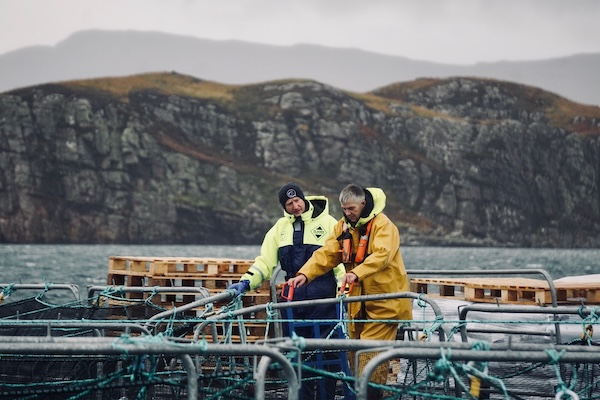
Scotland’s salmon farmers are backing calls for a parliamentary inquiry into the future of the country’s iconic wild salmon, as concerns grow over how the species is managed and the pressures it faces.
Salmon Scotland chief executive Tavish Scott has urged Members of the Scottish Parliament (MSPs) to launch a full Holyrood investigation in the next parliamentary session, following evidence from Fisheries Management Scotland chief executive Dr. Alan Wells, who told lawmakers he would welcome closer scrutiny of wild salmon management.
Dr. Wells also told MSPs that Fisheries Management Scotland has recommended introducing a rod licence for anglers as part of a wider wild salmon strategy, now under consideration by the Scottish Government.
“Wild salmon numbers have been declining for decades, with climate change, damaged river habitats and pressures at sea all taking their toll,” said Scott. “Scotland’s salmon farmers are already playing their part in finding solutions, from funding river restoration projects to supporting research into wild salmon migration.”
![Ad for [membership]](https://www.globalseafood.org/wp-content/uploads/2025/07/membership_web2025_1050x125.gif)
The International Union for Conservation of Nature (IUCN) recently reclassified wild Atlantic salmon in Great Britain from “near threatened” to “endangered.”
Scottish Government figures show catches fell by around 40 percent in 2025, including a 43 percent decline on east coast rivers such as the Tay, Tweed and Dee, and 29 percent on west coast rivers. The government has identified more than 40 pressures affecting wild salmon, including climate change, habitat loss and changes in marine survival.
Salmon farmers in Scotland cut antibiotic usage by more than 50 percent in 2022
Scott said he supports the proposal for an inquiry. He also raised concerns about the level of investment in conservation projects aimed at improving habitats and supporting wild salmon. He said Scotland lags behind other countries that use rod licences for recreational anglers, which can generate funding for conservation work.
“We want wild salmon to recover, so more money generated by angling needs to be invested in conservation,” said Scott. “Rod licences used in other salmon fishing nations could help improve catch data and support conservation.”
More than £635,000 (U.S. $841,000) has been invested through the Salmon Scotland Wild Fisheries Fund in projects to restore rivers and rebuild wild salmon populations. A further £230,000 (U.S. $304,000) is planned for fish conservation projects funded by the salmon sector in 2026.
Now that you've reached the end of the article ...
… please consider supporting GSA’s mission to advance responsible seafood practices through education, advocacy and third-party assurances. The Advocate aims to document the evolution of responsible seafood practices and share the expansive knowledge of our vast network of contributors.
By becoming a Global Seafood Alliance member, you’re ensuring that all of the pre-competitive work we do through member benefits, resources and events can continue. Individual membership costs just $50 a year.
Not a GSA member? Join us.
Author

Related Posts
Intelligence
Despite strong headwinds, Scottish salmon sector optimistic for growth
With major obstacles to growing production and maintaining market share, the Scottish salmon industry keeps an eye on the horizon.

Intelligence
Scottish salmon exports reach five-year high
Scottish salmon exports have surged to $819 million in the past year, reaching a five-year high as international demand grows.
Responsibility
Salmon Scotland Wild Fisheries Fund boosts wild Atlantic salmon conservation initiatives
The Salmon Scotland Wild Fisheries Fund will invest in supporting the conservation of Scotland’s wild Atlantic salmon.

Health & Welfare
A shocking innovation: Electric fences show promise in sea lice prevention
Electric fence technology could block sea lice at the infectious stage, boosting fish welfare and cutting costs for salmon farms.