


Responsible Seafood Innovation Awards: Blue Food Performance wants the industry to speak the same language on fish-in:fish-out metrics

‘It’s about building credibility, transparency and impact’ – Blue Food Performance’s FIFO Performance Tool supports transparency and feed-to-food efficiency in aquaculture
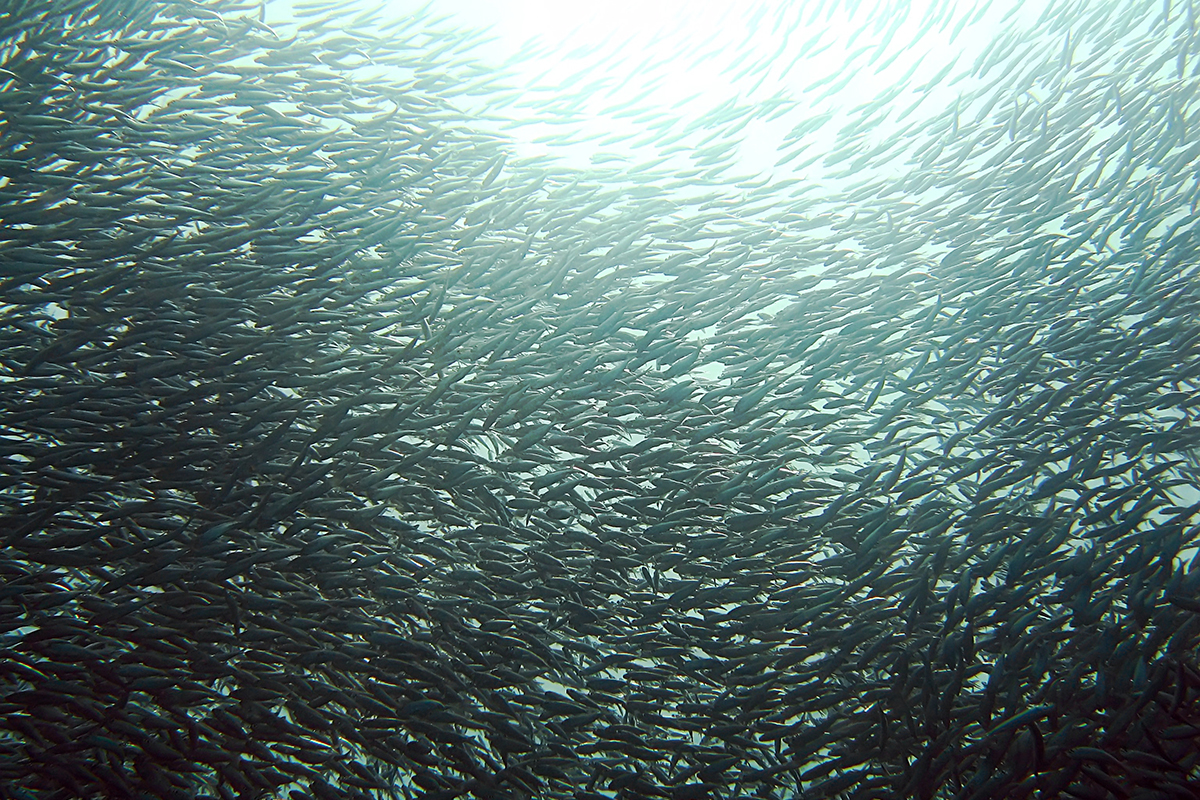
For years, aquaculture has wrestled with a stubborn challenge: how to fairly and accurately measure the sector’s dependence on wild-caught fish. Fish in fish out (FIFO) ratios have been the go-to metric but differing methodologies and uneven data have fueled ongoing criticism of the industry.
Case in point: A recent study suggests that the aquaculture industry may rely on significantly larger quantities of wild-caught ocean fish than previously calculated. The findings indicated that the ratio of wild fish inputs to farmed fish outputs is up to 307 percent higher than earlier estimates. For carnivorous species (such as salmon, trout and eel), wild fish inputs may even exceed twice the biomass of farmed fish produced. These rattling results call into question long-held assumptions about aquaculture’s environmental performance and highlight the need for more consistent metrics regarding its use of wild resources.
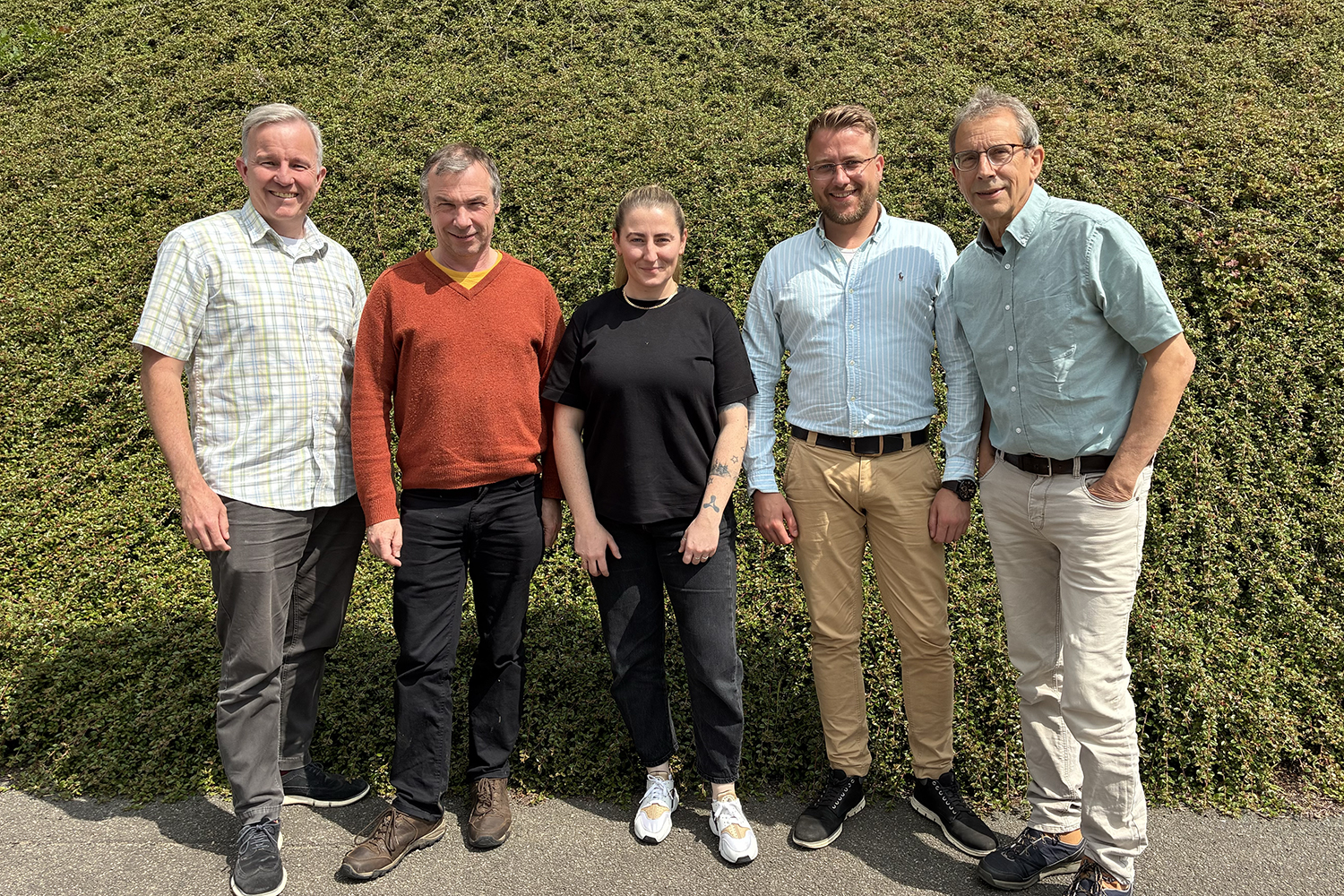
To address this conundrum, Wesley Malcorps, co-founder and CEO of Blue Food Performance, and his team have launched the FIFO Performance Tool – a free, web-based platform developed over the last decade. The tool standardizes data and methodology to give producers, policymakers and certifiers a reliable benchmark for sustainability and a more effective use of marine ingredients.
Specifically, by calculating how effectively aquaculture converts fish-based feed into farmed fish biomass – including retention of essential nutrients such as EPA and DHA – and aligning these methodologies with life cycle assessments (LCAs), the tool helps overcome the inconsistencies, or “metric gaps,” common to historical FIFO scoring.

It also incorporates features for feed management and strategic diet use, offering a practical way to improve measurement, Malcorps told the Advocate. For this valuable contribution, Blue Food Performance (BFP) has scored a spot as a finalist for the 2025 Responsible Seafood Innovation Awards in the aquaculture category.
We wanted to show that not all fishmeal or fish oil use is bad. If sourced sustainably – particularly from byproducts – these ingredients can be preferable to energy-intensive plant or animal alternatives. The aim was to ensure resources are used properly rather than wasted.
Building better metrics
The tool is an up-to-date adaptation of research co-authored by scientists from the Universities of Stirling, Aberdeen, Lancaster, Cambridge and the Blue Food Performance team, several of whom are Stirling alum. By making this work more accessible and interactive, it helps stakeholders benchmark sustainability and identify opportunities for improvement across species and systems, said Richard Newton of the University of Stirling’s Institute of Aquaculture and an advisor to BFP. A core research objective was to develop robust metrics that could capture the use of reduction fisheries products and byproducts.
“We wanted to show that not all fishmeal or fish oil use is bad,” said Newton. “If sourced sustainably – particularly from byproducts – these ingredients can be preferable to energy-intensive plant or animal alternatives. The aim was to ensure resources are used properly rather than wasted.”
A further outcome of the research was the inclusion of a metric that clarifies the nutritional profiles of feed ingredients from different origins. Among other things, this recognized that the omega-3 fatty acid levels within forage fish can vary greatly from those found in farmed fish, and that the retention of those omega-3s can also differ by the species.
The metric builds on recent work by colleagues at Lancaster, Cambridge and Aberdeen, which examined the Scottish aquaculture sector to determine how much nutrition from edible portions of feed fish is ultimately retained in the edible portions of farmed fish.
“It was snapshot of what was happening; and there’s a lot of loss,” said Newton. “So, we thought, we need to take these findings and produce a metric that can be used as a basis to improve nutritional retention throughout the process.”
From metrics to management
According to Malcorps and Newton, the FIFO Performance Tool can be applied in many ways to make a positive difference, particularly in feed management. By analyzing how much omega-3 in feed translates into market-ready fish, producers can, for example, decide when to apply high-fatty-acid finishing diets versus leaner maintenance diets that maintain fish health with minimal loss.
This insight also highlights seasonal and geographic variations in forage fish composition, helping marine ingredient suppliers align fishing activities with nutritional peaks.
“It’s as simple as putting in the input data and seeing the output,” Newton said, adding that knowing the omega-3 content of species such as anchovy or herring is invaluable for the marine ingredients sector because it enables fishing activities to be more precisely targeted.
“One or two sourcing adjustments can show where efficiency gains lie across the value chain,” he said.
‘It’s not just about data’
Early adopters of the tool include certifiers, feed companies, conservation NGOs, researchers and traceability organizations. Meanwhile, Blue Food Performance is continually developing new features to position the FIFO Performance Tool as a catalyst for pre-competitive collaboration and industry-wide progress – not only measuring performance but also driving improved results.
Users can model FIFO values anonymously, as the tool doesn’t collect any input data. However, development continues, users who choose to benchmark their performance will be able to voluntarily submit data, which will be automatically anonymized – an especially valuable feature when verified by certifiers or industry bodies.
“This sets the stage for an industry-supported FIFO Performance Annual Report, while also unlocking broader opportunities, such as applying AI-driven analytics across a wider set of aquafeed sustainability metrics to generate deeper insights and enable smarter decision-making throughout the sector,” Malcorps said.
This report would showcase how aquaculture is progressing in the use of fish as feed, highlight areas for improvement and track progress over time.
“It’s not just about data– it’s about building credibility, transparency and impact,” said Malcorps and Newton. “It equips the industry to counter misinformation, lead on responsible marine ingredient use and optimize supply chains. Ultimately, it helps us use resources more wisely while strengthening aquaculture’s reputation and resilience.”
Malcorps argued that the publication of sector-wide data would help reinforce the industry’s ongoing efforts.
“Like many, I feel that FIFO metrics come under a lot of attack,” he said. “Part of that is because they are often not calculated properly – and that can lead to ridiculous fish-in:fish-out numbers, which damage both the industry and sustainability efforts. So, if we can add such a function to the tool, we will add more value.”
Fishmeal and fish oil alternatives are here but a greater scale is needed for true impact
‘More than a metric’
Despite development costs, the tool remains free to use. This, Malcorps said, is key to helping the industry overcome criticism of the FIFO metric.
“Aquaculture is a multiplier of fish production – about four times, I believe – but there are definitely areas for improvement,” he said. “We feel the industry can benefit if we all use the same method, the same way of calculating FIFO metrics, using the same background data. [Speaking] the same language is so important in this instance.”
Still, too many organizations – including industry certifiers – continue to use metrics that are not fit for purpose in their reporting. Many rely on FIFO metrics that aren’t aligned with LCAs or other impact indicators, warned Malcorps and Newton.
They added that too many current evaluations still overlook critical factors, like the use of byproducts and the nutritional value of inputs and outputs – both essential for understanding the sustainability of aquafeeds. To align with broader food system objectives, Malcorps and Newton said the industry must move beyond narrow metrics and embrace a more holistic view that considers nutritional value, resource optimization and circularity.
“In a lot of cases, academics produce numbers [that] get misinterpreted by others in in the value chain,” Newton said. “This tool helps prevent that. FIFO has evolved a lot in the last decade to become more comprehensive, but also more complex, so the tool provides an accessible way for industry stakeholders to engage and incorporate these considerations into their sustainability strategies.”
“The FIFO tool is more than just a metric – it’s a strategic asset,” Malcorps said. “When deployed collectively, it becomes a powerful safeguard against miscalculation, misinterpretation and even misinformation. At the same time, it offers a clear pathway to optimize supply chains and accelerate progress across the entire aquaculture industry.”
GSA’s Responsible Seafood Innovation Awards – sponsored by the U.S. Soybean Export Council – for the aquaculture and fisheries categories will be awarded at the Responsible Seafood Summit in Cartagena, Colombia, on September 30, 2025. The winner will be decided by an audience poll. Learn more about the Summit here.
Now that you've reached the end of the article ...
… please consider supporting GSA’s mission to advance responsible seafood practices through education, advocacy and third-party assurances. The Advocate aims to document the evolution of responsible seafood practices and share the expansive knowledge of our vast network of contributors.
By becoming a Global Seafood Alliance member, you’re ensuring that all of the pre-competitive work we do through member benefits, resources and events can continue. Individual membership costs just $50 a year.
Not a GSA member? Join us.
Author
-

Jason Holland is a London-based writer for the international seafood, aquaculture and fisheries sectors. Jason has accrued more than 25 years’ experience as a B2B journalist, editor and communications consultant – a career that has taken him all over the world. He believes he found his true professional calling in 2004 when he started documenting the many facets of the international seafood industry, and particularly those enterprises and individuals bringing change to it.
Related Posts
Aquafeeds
A primer on sustainable feeds: Improving aquafeeds for sustainability, fish welfare and human nutrition
Improving aquafeed formulations can augment the sustainability and efficiency of aquaculture production – a new series from the GAIN project.
Fisheries
‘A world down below’ – Deeper fishing insights lead to better tools for bycatch reduction
High-tech bycatch reduction devices – data analytics, cameras and sensors – are in play but SafetyNet Technologies says the secret is collaboration.
Innovation & Investment
‘We have 15 years to fix this planet’: Blue Food Innovation Summit explores potential of restorative aquaculture – and the challenges to scaling
At the Blue Food Innovation Summit, discussions centered on restorative aquaculture’s potential and financing the ocean’s capabilities.
Health & Welfare
Novel soy proteins, oils replace fishmeal to achieve FIFO under 1:1 in amberjack
In a nutrition trial, longfin amberjack received two diets composed of 40 percent soy protein concentrate and 10 percent fishmeal, and a control diet with 20 percent fishmeal.