Aquafeeds
For many island fish farmers, aquafeed sourcing and costs requires new thinking
New approaches could enable aquafeeds made from local ingredients to reduce reliance on feed imports and support aquaculture.


Aquafeeds
New approaches could enable aquafeeds made from local ingredients to reduce reliance on feed imports and support aquaculture.
Fisheries
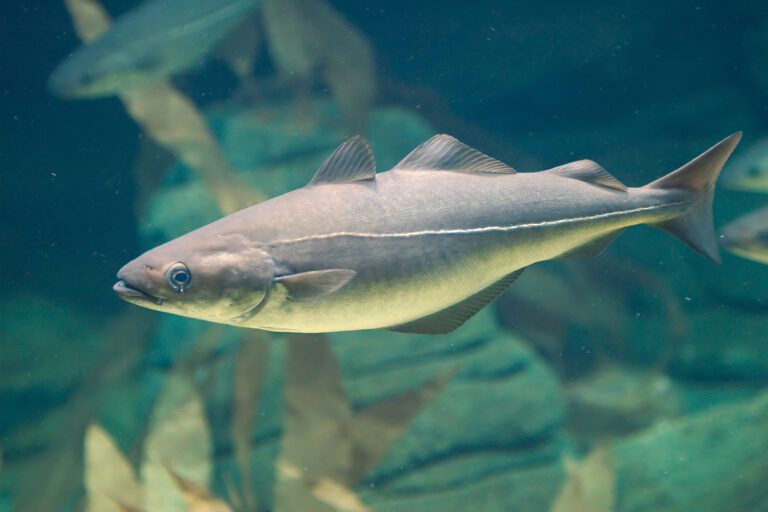
Our monthly fisheries literature review examines fundamentals of fisheries management, fishery dynamics of squid and climate change impacts on Pandalus jordani.

Responsibility
Alaska seafood processors are turning fish skins and heads into pet products, heeding environmental mandates for greater utilization of byproducts.
Fisheries
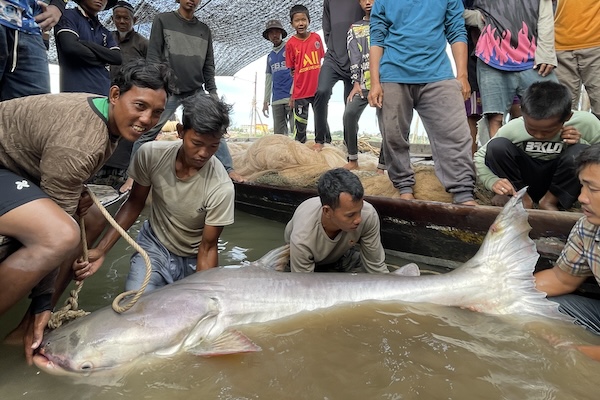
UN report warns migratory freshwater fish populations are collapsing, raising concerns for inland fisheries worldwide.
Fisheries
An ALI report outlines emerging technologies and practices to improve animal welfare in fisheries, including AI monitoring.
Fisheries
Study finds a late-1980s U.S. drought triggered major declines in Gulf of Mexico fisheries, raising future food security risks.
Nofima finds higher omega-3 feed levels don't improve trout health or survival, but trout stores more EPA and DHA in fillets than salmon.
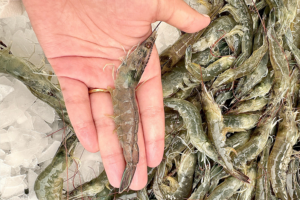
This review of recent aquaculture literature examines the importance of a shrimp’s gut microbiota, fermentation technology in aquafeeds and more.
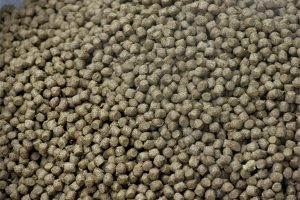
Study finds EU aquaculture’s shift from fishmeal to plant feed cut marine use but increased emissions, land and water impacts.
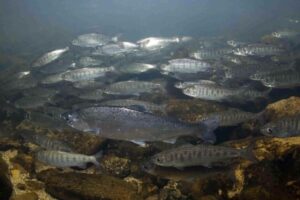
NOAA scientists track a massive marine heatwave off the U.S. West Coast that could affect fisheries, species shifts and harmful algal blooms.
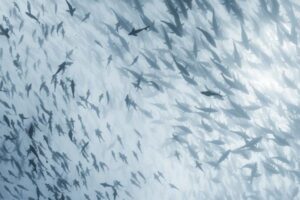
Study finds global fish food webs are shifting toward smaller species and fewer top predators, even where species counts stay stable.
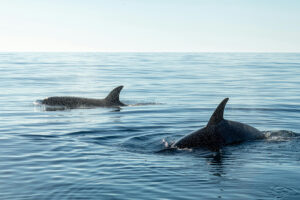
The “orca fence,” designed to mitigate accidental catch of killer whales, is showing positive results after only a couple years of use.

Precision aquaculture, powered by real-time monitoring systems, is revolutionizing how fish farmers approach feed management.

Australia’s national science agency, CSIRO, has been awarded the right to host the next International Symposium on Fish Nutrition and Feeding (ISFNF XXII) in Darwin, Northern Territory, Australia in May 2026.
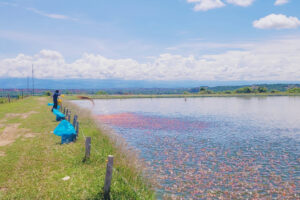
Sightline Systems' new AQUA Sightline 2.0 is latest wave of artificial intelligence applications designed specifically for aquaculture.
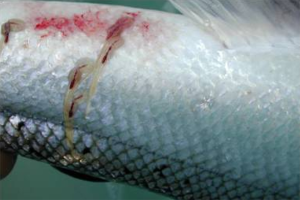
New research finds larval salmon lice produce unique proteins that may help them evade immune defenses, offering new targets for parasite control.
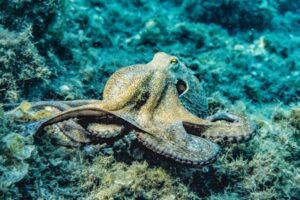
Bill would prohibit breeding or growth stages of any cephalopod species in the country, following legislation introduced in Chile in 2025.
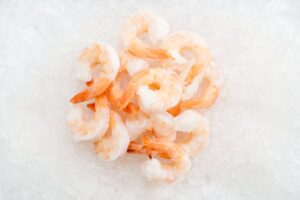
Lidl GB bans eyestalk ablation in farmed prawns and plans electrical stunning to advance animal welfare standards in U.K. shrimp supply chains.
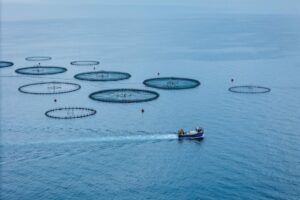
New program in Atlantic Canada will help ocean and aquaculture technology startups scale and attract investment.
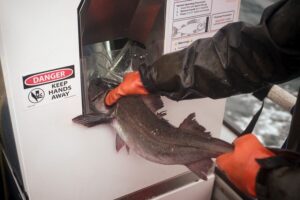
Freshness monitoring, seafood traceability and animal welfare and sorting are all benefiting from advancements in technology like AI.
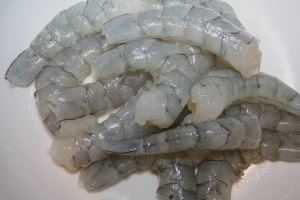
Keep auxiliary trait records in breeding populations as a framework to improve P. vannamei culture with multi-trait genomic prediction models.
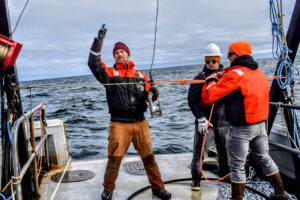
Seaweed farming could enter a new era of efficiency as Maine researchers unveil an analytic tool designed to help farmers boost profitability.
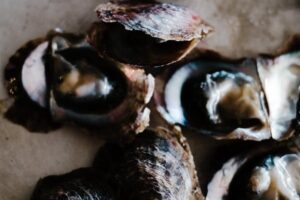
An AI system developed in Ireland uses sound to detect oyster mortalities, aiming to reduce losses faced in the oyster aquaculture industry.
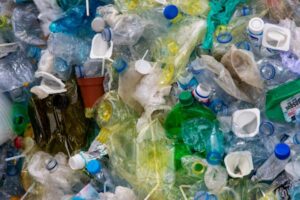
Brazilian scientists create biodegradable food packaging film from tambatinga fish skin as a potential alternative to plastics.

Cambodia designates aquatic foods as a national priority, integrating fish into nutrition, agriculture and development planning.
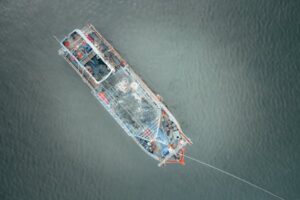
ILO survey finds 13 percent of migrant fishery workers in Southeast Asia face forced labor, with highest risks at sea.
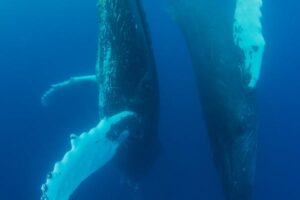
Study finds shrinking cool-water habitat raises humpback whale entanglement risk and could help forecast danger years ahead.
Esta revisión de la literatura acuícola reciente examina la importancia de la microbiota intestinal del camarón, la tecnología de fermentación en los alimentos acuícolas y más.
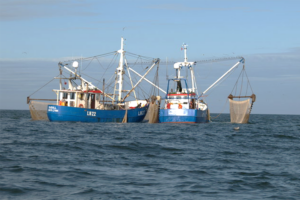
Los autores argumentan que la expansión de la producción de proteínas terrestres podría amplificar la pérdida de biodiversidad, mientras que la pesca bien gestionada puede operar dentro de las estructuras ecosistémicas existentes.
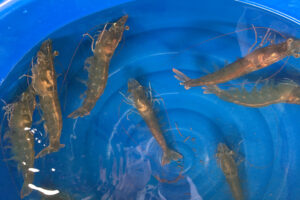
¿Puede la genética ayudar a resolver un factor limitante para el sector camaronero de China? Analizamos un estudio que examina las altas tasas de hembras que no desovan en los criaderos.