Intelligence
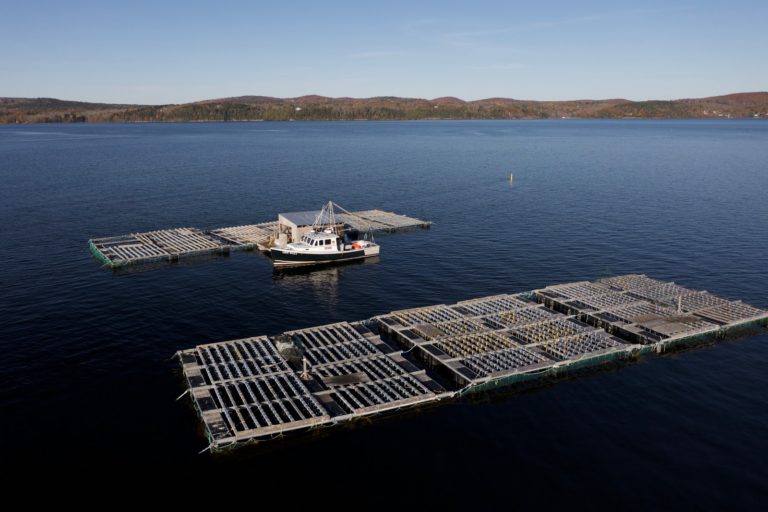
Could triploid kelp cultivars expand seaweed farming in the face of climate change?
Seaweed farming research reveals triploid breeding that creates heat-tolerant, fast-growing kelp, boosting yields and cutting ecological risk.
Intelligence
Seaweed farming research reveals triploid breeding that creates heat-tolerant, fast-growing kelp, boosting yields and cutting ecological risk.
Health & Welfare
Can genetics help solve a limiting factor for China’s shrimp sector? We look at a study examining the high rates of non-spawning females in hatcheries.
Fisheries
A new measure of energetic conditions can serve as an efficient, early-detection system to track snow crab energetic limitations and mortality risk.
Responsibility
Microplastics in fish are widespread across Pacific island waters, raising risks for ecosystems and food security in remote regions.
Health & Welfare
Researchers will aim to improve fish welfare in the ornamental trade while supporting Amazonian communities and rainforest conservation.
Fisheries
Ninety percent of U.S. fisheries by volume meet rigorous requirements for environmentally sustainable fishing practices, according to MSC.
Researchers looked bentonite, zeolite and illite as shrimp feed additives and found the illite-supplemented diet exhibited significantly better results.
Edinburgh Napier University and AlgiSys join forces to develop and scale up algae-based omega-3s as sustainable feed alternatives.
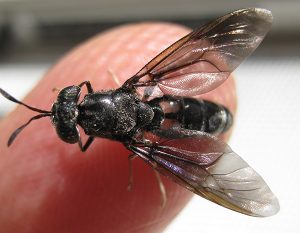
Partially defatted black soldier fly meal in aquafeeds could affect the sensory properties of raw fillets without altering the nutritional composition.
Tests show a simple zinc-and-graphite device can significantly reduce shark bycatch on longlines without affecting tuna or swordfish catches.
The BBNJ treaty has entered into force, with FAO supporting countries in implementing the agreement to strengthen global ocean governance.
This review of fisheries research explores the impacts of microplastics on marine species and ecosystems as well as strategies to mitigate pollution.
Precision aquaculture, powered by real-time monitoring systems, is revolutionizing how fish farmers approach feed management.
Australia’s national science agency, CSIRO, has been awarded the right to host the next International Symposium on Fish Nutrition and Feeding (ISFNF XXII) in Darwin, Northern Territory, Australia in May 2026.
Sightline Systems' new AQUA Sightline 2.0 is latest wave of artificial intelligence applications designed specifically for aquaculture.
Vietnamese shrimp producer Trang Corporation adopts humane stunning at harvest after joining a program focused on animal welfare.
Insights into dietary strategies to enhance fish health and resilience against pathogens, thus promoting sustainable aquaculture practices.
A grant from Coefficient Giving will fund research into humane slaughter methods, advancing animal welfare during seafood processing.
Freshness monitoring, seafood traceability and animal welfare and sorting are all benefiting from advancements in technology like AI.
Keep auxiliary trait records in breeding populations as a framework to improve P. vannamei culture with multi-trait genomic prediction models.
Award-winning Reef of Hope uses 3D-printed biodegradable design to advance oyster reef restoration and revive marine ecosystems.
Fish consumption is down in Europe, as higher prices, changing habits and competition from cheaper proteins reshape demand.
A new report explores how the global shrimp industry can eliminate waste by transforming processing byproducts into valuable products.
The toxic microalga Alexandrium pacificum, known for producing harmful algal blooms, has potential as a powerful pain-relieving compound.
Ocean temperatures hit record highs in 2025, signaling accelerating climate change and its growing influence on weather worldwide.
Most Great Lakes commercial fish waste is no longer landfilled, as companies commit to full utilization and new markets for byproducts.
Aquatic foods can contribute to a healthier population and a more resilient food system by bringing together research and sustainable seafood supply chains.
El control de la frescura, la rastreabilidad de los productos del mar, el bienestar animal y la clasificación se están beneficiando de los avances tecnológicos, como la inteligencia artificial.
Esta reseña de investigaciones sobre acuacultura explora el tema de (y otros) si el patógeno que causa la enfermedad AHPND puede transmitirse por vía aérea, lo que representa un riesgo significativo para la bioseguridad.
Una máquina de hacer hielo que funciona con energía solar ha transformado la pesca de atún en una comunidad de Indonesia, aumentando los ingresos y reduciendo drásticamente los residuos y las emisiones.