Fisheries
The ocean is getting darker. What could that mean for global fisheries?
As a darkening ocean threatens to reshape marine ecosystems, scientists explore risks for fisheries and how rewilding with restorative aquaculture could help.
Fisheries
As a darkening ocean threatens to reshape marine ecosystems, scientists explore risks for fisheries and how rewilding with restorative aquaculture could help.
Health & Welfare
Innovative disease diagnostic tools like Integrated Fluidic Circuits are enabling faster, more informed responses to health challenges.
Intelligence
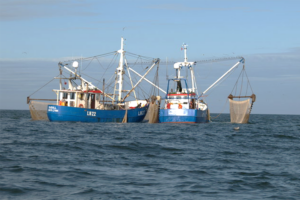
Is the depth preference for salmon lice larvae influenced by their environment? Management strategies may trigger evolutionary responses.
Fisheries
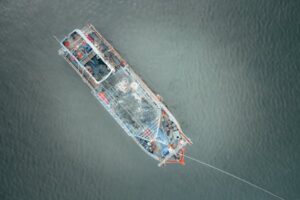
A five-year initiative seeks to strengthen fisheries management and support overexploited fish stocks in the Gulf of Thailand.
Health & Welfare
A University of Stirling study will examine tissue repair and disease resilience in farmed salmon, targeting gill and skin health challenges.
Fisheries
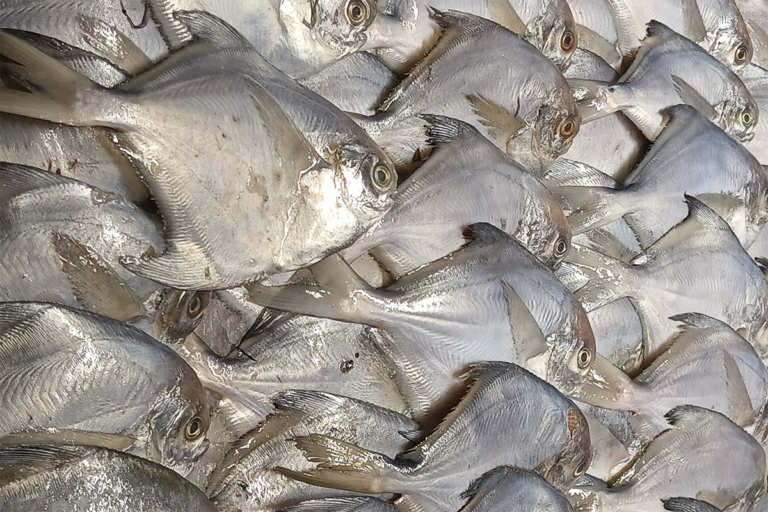
Analysis finds high seas fisheries management is not meeting mandates, with 56 percent of fish stocks overexploited or in decline.
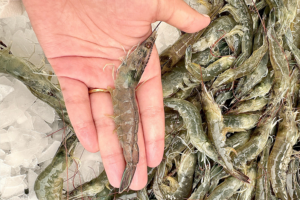
Researchers looked bentonite, zeolite and illite as shrimp feed additives and found the illite-supplemented diet exhibited significantly better results.
Edinburgh Napier University and AlgiSys join forces to develop and scale up algae-based omega-3s as sustainable feed alternatives.
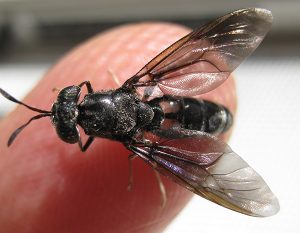
Partially defatted black soldier fly meal in aquafeeds could affect the sensory properties of raw fillets without altering the nutritional composition.
The GFMI can aid management actions like improving selectivity, promoting gear substitution, preventing gear loss and enhancing crew safety.
A solar-powered ice maker has transformed an Indonesian community's tuna fishery, boosting incomes and slashing waste and emissions.
Findings stress the relevance of flexible squid fishery scheduling and management in response to climate-driven changes in habitat suitability.
Precision aquaculture, powered by real-time monitoring systems, is revolutionizing how fish farmers approach feed management.
Australia’s national science agency, CSIRO, has been awarded the right to host the next International Symposium on Fish Nutrition and Feeding (ISFNF XXII) in Darwin, Northern Territory, Australia in May 2026.
Sightline Systems' new AQUA Sightline 2.0 is latest wave of artificial intelligence applications designed specifically for aquaculture.
Optimized aeration strategies, effective microbial functions and waste management and stable biofloc performance can improve L. vannamei culture.
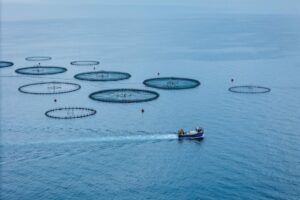
A multi-year study will examine if a mass salmon escape during an October storm left any genetic impact on wild salmon populations.
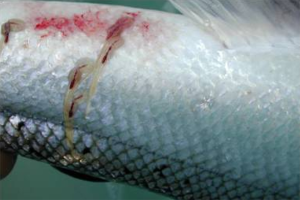
Electric fence technology could block sea lice at the infectious stage, boosting fish welfare and cutting costs for salmon farms.
Keep auxiliary trait records in breeding populations as a framework to improve P. vannamei culture with multi-trait genomic prediction models.
Award-winning Reef of Hope uses 3D-printed biodegradable design to advance oyster reef restoration and revive marine ecosystems.
Researchers say Canada’s ban on ocean-based BC salmon farms overlooks decades of science and offers limited gains for wild salmon.
A global review finds most people aren’t consuming enough omega-3 fatty acids in their diets, flagging the need for clearer guidelines.
Deep learning can identify wild vs. farmed salmon with 95% accuracy, possibly helping to track escapees and protect declining wild stocks.
Nova Scotia launches a compliance unit with new penalties, audits and enforcement tools to target illegal seafood activity.
New two-year pact aims to improve labor conditions in Pacific fisheries through capacity-building and enforcing international standards.
Efforts in Indonesia and Zambia are closing the gender gap in aquaculture and fisheries, highlighting women’s contributions and leadership.
The Welsh government has launched a study to measure the carbon footprint of its seafood industry and guide its transition to net-zero.
Investigadores estudiaron la bentonita, la zeolita y la ilita como aditivos de alimento de camarones y descubrieron que la dieta suplementada con ilita produjo resultados significativamente mejores.
Para construir resiliencia en la acuacultura de crustáceos se requieren respuestas fisiológicas, tecnologías emergentes y prácticas de gestión adaptativas.
A medida que se expande la industria acuícola, un enfoque estandarizado para evaluar el impacto de los alimentos acuícolas en la biodiversidad puede fundamentar la toma de decisiones.