Fisheries
Illuminating the way: How light technology is reshaping fisheries
Fishing innovation is transitioning from bigger engines, stronger gear and more sophisticated electronics to something far more subtle: light.


Fisheries
Fishing innovation is transitioning from bigger engines, stronger gear and more sophisticated electronics to something far more subtle: light.
Responsibility
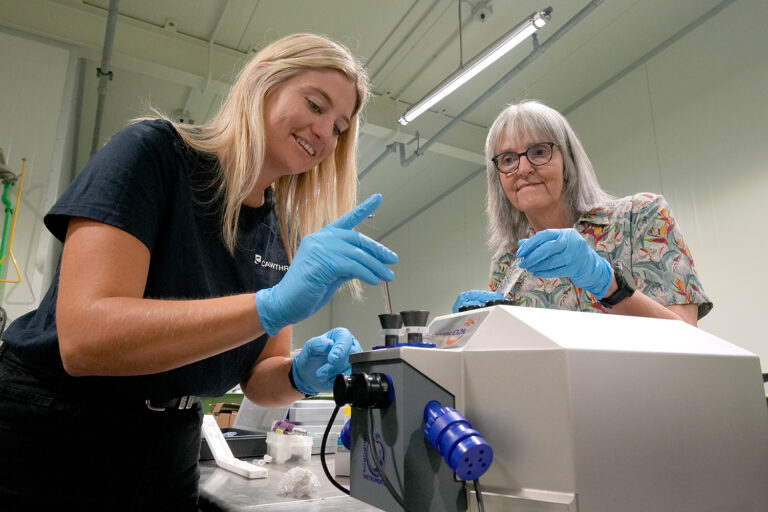
Cawthron Institute researchers are unlocking the cellular power of mitochondria to improve climate resilience in farmed salmon, mussels, oysters and more.
Fisheries
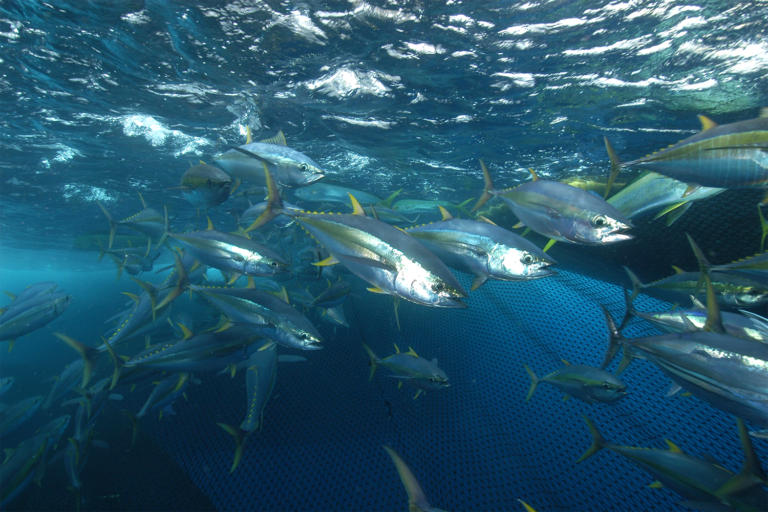
Fisheries literature review covers pelagic stock management, puerulus fisheries supporting spiny lobster aquaculture and nutrition security in Peru.
Health & Welfare
All major UK supermarkets now have shrimp welfare targets now in place, with Aldi Süd’s commitment to phase out stunning and ablation.
Innovation & Investment
Two-company collaboration has AI-powered cameras tracking fish growth to enhance feeding efficiency, breeding and fish health in aquaculture.
Intelligence
U.S. aquaculture faces significantly more federal regulation than other food sectors, raising questions about current policies.
Innovafeed and IRBI launch FrenchFly to scale insect protein in France, targeting key barriers in black soldier fly production.
Pacific white shrimp react differently to various soy processing techniques, with certain variants offering distinct performance advantages.

New approaches could enable aquafeeds made from local ingredients to reduce reliance on feed imports and support aquaculture.
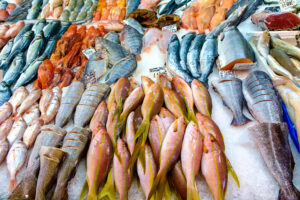
From AI to vessel tracking, ocean technology is transforming fisheries – but getting them into the water at scale remains difficult.
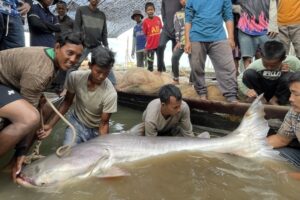
UN report warns migratory freshwater fish populations are collapsing, raising concerns for inland fisheries worldwide.

An ALI report outlines emerging technologies and practices to improve animal welfare in fisheries, including AI monitoring.

Precision aquaculture, powered by real-time monitoring systems, is revolutionizing how fish farmers approach feed management.

Australia’s national science agency, CSIRO, has been awarded the right to host the next International Symposium on Fish Nutrition and Feeding (ISFNF XXII) in Darwin, Northern Territory, Australia in May 2026.
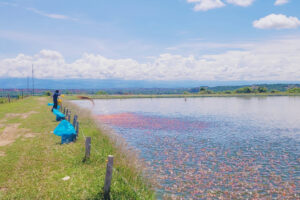
Sightline Systems' new AQUA Sightline 2.0 is latest wave of artificial intelligence applications designed specifically for aquaculture.
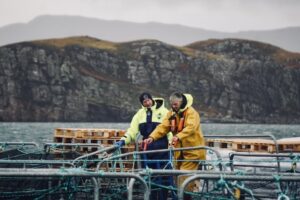
Scottish salmon farmers back calls for an inquiry into wild salmon decline, as falling catches and conservation concerns draw scrutiny.
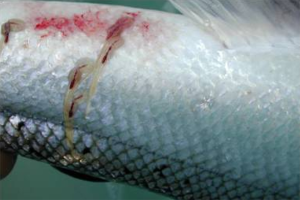
New research finds larval salmon lice produce unique proteins that may help them evade immune defenses, offering new targets for parasite control.
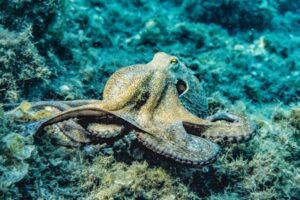
Bill would prohibit breeding or growth stages of any cephalopod species in the country, following legislation introduced in Chile in 2025.
Scientists are upcycling seafood waste – from shells to fishing nets – into fuel and infrastructure, pointing to new value streams.
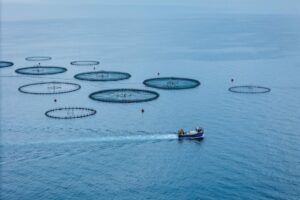
New program in Atlantic Canada will help ocean and aquaculture technology startups scale and attract investment.
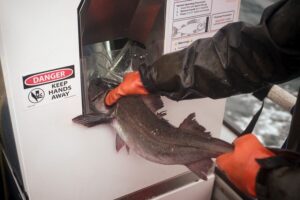
Freshness monitoring, seafood traceability and animal welfare and sorting are all benefiting from advancements in technology like AI.

Rabobank analyst Gorjan Nikolik says rising fuel prices and supply chain disruptions from Middle East conflict could impact seafood markets for years.
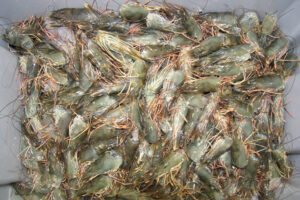
Shrimp byproducts may unlock new revenue streams as shells and heads are turned into feed ingredients and biomaterials.
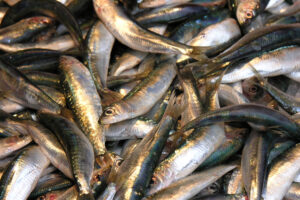
New research explores shifting U.K. seafood market trends and whether consumers are ready to embrace local fish like sardines, sprats, anchovies and herring.

Cambodia designates aquatic foods as a national priority, integrating fish into nutrition, agriculture and development planning.

Alaska seafood processors are turning fish skins and heads into pet products, heeding environmental mandates for greater utilization of byproducts.
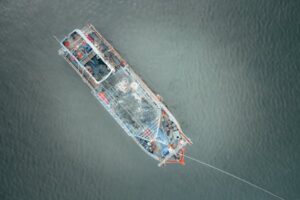
ILO survey finds 13 percent of migrant fishery workers in Southeast Asia face forced labor, with highest risks at sea.
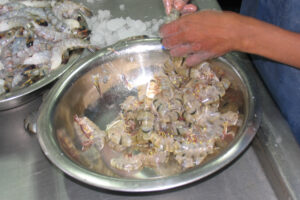
Los subproductos del camarón podrían abrir nuevas vías de ingresos al transformar las cáscaras y las cabezas en ingredientes para piensos y biomateriales.
Nuevos planteamientos podrían permitir que los alimentos acuícolas elaborados a partir de ingredientes locales reduzcan la dependencia de las importaciones de alimento y respalden la acuacultura.
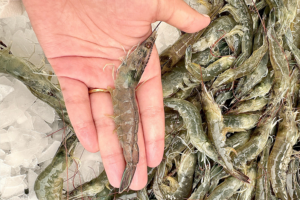
Esta revisión de la literatura acuícola reciente examina la importancia de la microbiota intestinal del camarón, la tecnología de fermentación en los alimentos acuícolas y más.