
Responsibility
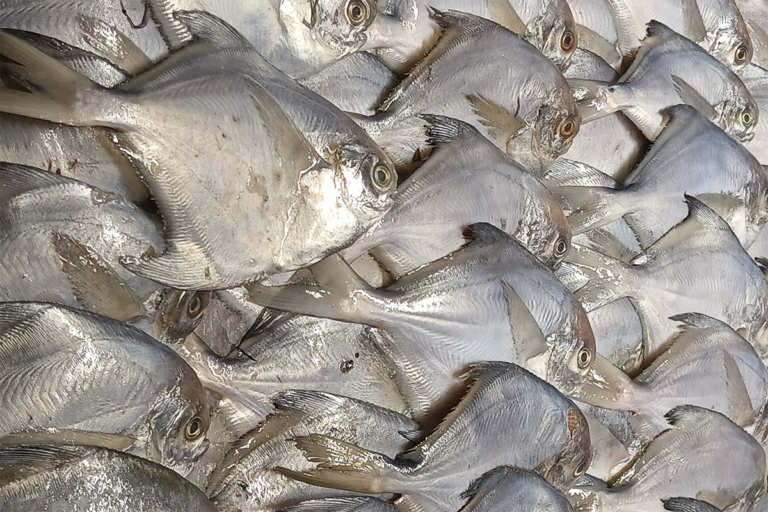
Seafood’s best friend: Once wasted fish byproducts are now a bounty for cats and dogs
Alaska seafood processors are turning fish skins and heads into pet products, heeding environmental mandates for greater utilization of byproducts.
Responsibility
Alaska seafood processors are turning fish skins and heads into pet products, heeding environmental mandates for greater utilization of byproducts.
Fisheries
Our monthly fisheries literature review examines fundamentals of fisheries management, fishery dynamics of squid and climate change impacts on Pandalus jordani.
Aquafeeds
New approaches could enable aquafeeds made from local ingredients to reduce reliance on feed imports and support aquaculture.
Health & Welfare
Lidl GB bans eyestalk ablation in farmed prawns and plans electrical stunning to advance animal welfare standards in U.K. shrimp supply chains.
Innovation & Investment
New program in Atlantic Canada will help ocean and aquaculture technology startups scale and attract investment.
Fisheries
NOAA scientists track a massive marine heatwave off the U.S. West Coast that could affect fisheries, species shifts and harmful algal blooms.
Nofima finds higher omega-3 feed levels don't improve trout health or survival, but trout stores more EPA and DHA in fillets than salmon.
This review of recent aquaculture literature examines the importance of a shrimp’s gut microbiota, fermentation technology in aquafeeds and more.
Study finds EU aquaculture’s shift from fishmeal to plant feed cut marine use but increased emissions, land and water impacts.
Study finds global fish food webs are shifting toward smaller species and fewer top predators, even where species counts stay stable.
The “orca fence,” designed to mitigate accidental catch of killer whales, is showing positive results after only a couple years of use.
Authors argue that expanding land-based protein production could amplify biodiversity loss, whereas well-managed fisheries can operate within existing ecosystem structures.
Precision aquaculture, powered by real-time monitoring systems, is revolutionizing how fish farmers approach feed management.
Australia’s national science agency, CSIRO, has been awarded the right to host the next International Symposium on Fish Nutrition and Feeding (ISFNF XXII) in Darwin, Northern Territory, Australia in May 2026.
Sightline Systems' new AQUA Sightline 2.0 is latest wave of artificial intelligence applications designed specifically for aquaculture.
Bill would prohibit breeding or growth stages of any cephalopod species in the country, following legislation introduced in Chile in 2025.
This review of recent aquaculture literature examines the importance of a shrimp’s gut microbiota, fermentation technology in aquafeeds and more.
Ace Aquatec’s Humane Stunner Universal did not impact shell coloration, adhesion strength or flesh color in comparison to traditional ice slurry.
Freshness monitoring, seafood traceability and animal welfare and sorting are all benefiting from advancements in technology like AI.
Keep auxiliary trait records in breeding populations as a framework to improve P. vannamei culture with multi-trait genomic prediction models.
Award-winning Reef of Hope uses 3D-printed biodegradable design to advance oyster reef restoration and revive marine ecosystems.
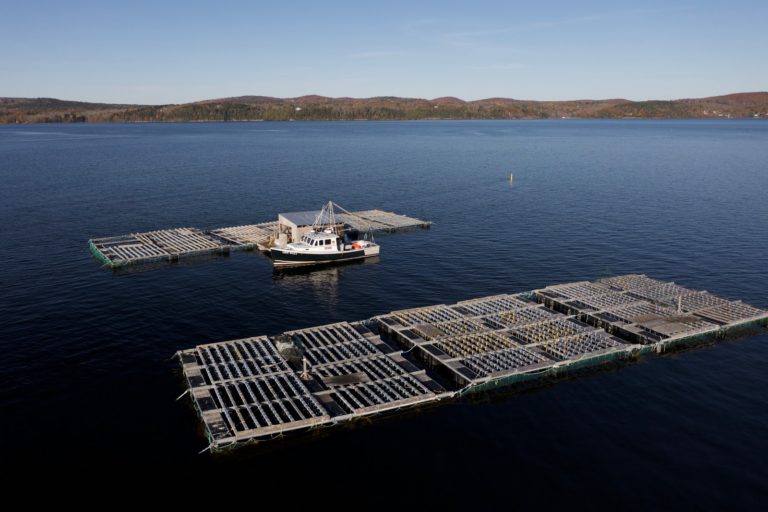
Seaweed farming could enter a new era of efficiency as Maine researchers unveil an analytic tool designed to help farmers boost profitability.
An AI system developed in Ireland uses sound to detect oyster mortalities, aiming to reduce losses faced in the oyster aquaculture industry.
Brazilian scientists create biodegradable food packaging film from tambatinga fish skin as a potential alternative to plastics.
ILO survey finds 13 percent of migrant fishery workers in Southeast Asia face forced labor, with highest risks at sea.
Study finds shrinking cool-water habitat raises humpback whale entanglement risk and could help forecast danger years ahead.
An Indigenous-led partnership in Queensland is developing hatchery methods to enable commercial giant freshwater prawn farming industry.
Esta revisión de la literatura acuícola reciente examina la importancia de la microbiota intestinal del camarón, la tecnología de fermentación en los alimentos acuícolas y más.
Los autores argumentan que la expansión de la producción de proteínas terrestres podría amplificar la pérdida de biodiversidad, mientras que la pesca bien gestionada puede operar dentro de las estructuras ecosistémicas existentes.
¿Puede la genética ayudar a resolver un factor limitante para el sector camaronero de China? Analizamos un estudio que examina las altas tasas de hembras que no desovan en los criaderos.