


Irish oyster farmer develops AI system to detect oyster mortalities by sound

‘The Oyster Pitch’ uses AI sound analysis to distinguish live oysters from dead stock, aiming to cut losses and improve sustainability
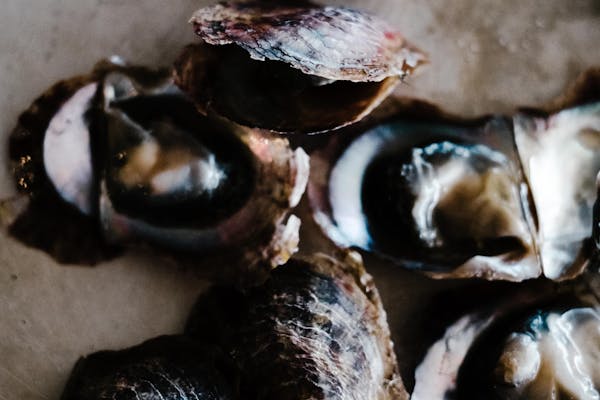
An oyster producer in County Donegal has developed an artificial intelligence (AI) system that uses sound analysis to monitor oyster health and detect mortalities in real time.
The system, known as “The Oyster Pitch,” was created by Lee Hunter, a marine biologist and owner of Oisirí Oileán Cróine Teoranta in Dungloe Bay. It analyzes the sound oysters make when handled, allowing the technology to distinguish live shellfish from dead stock with a high degree of accuracy.
Hunter said the tool is designed to help oyster farmers better manage losses and improve sustainability in Irish aquaculture.
“I came up with the idea for ‘The Oyster Pitch’ while grading stock in the factory,” Hunter told Afloat Magazine. “A dead oyster when dropped into a container or hitting off another oyster, generates a completely different sound to a live one. By using AI to analyse recorded sounds, we were able to train a model that can identify the difference with a high level of accuracy.”
![Ad for [BSP]](https://www.globalseafood.org/wp-content/uploads/2025/07/BSP_B2B_2025_1050x125.jpg)
Developed in collaboration with Atlantic Technological University Letterkenny and supported by Enterprise Ireland, early trials of the system have achieved 87 percent accuracy. Work is now underway to develop a prototype and to commercialize the technology for wider industry use.
The project is intended to improve husbandry practices, strengthen data collection and support more efficient stock management, while helping to reduce mortality rates in commercial oyster farming – a persistent economic and sustainability challenge for the sector.
“We brought the concept to Enterprise Ireland, which put us in touch with ATU Letterkenny,” Hunter said. “Early test results were very encouraging and showed we were potentially onto something. Our intention now is to create a prototype and bring the product to market, which could be a very exciting breakthrough for the industry here in Ireland and further afield.”
Now that you've reached the end of the article ...
… please consider supporting GSA’s mission to advance responsible seafood practices through education, advocacy and third-party assurances. The Advocate aims to document the evolution of responsible seafood practices and share the expansive knowledge of our vast network of contributors.
By becoming a Global Seafood Alliance member, you’re ensuring that all of the pre-competitive work we do through member benefits, resources and events can continue. Individual membership costs just $50 a year.
Not a GSA member? Join us.
Author

Related Posts
Responsibility
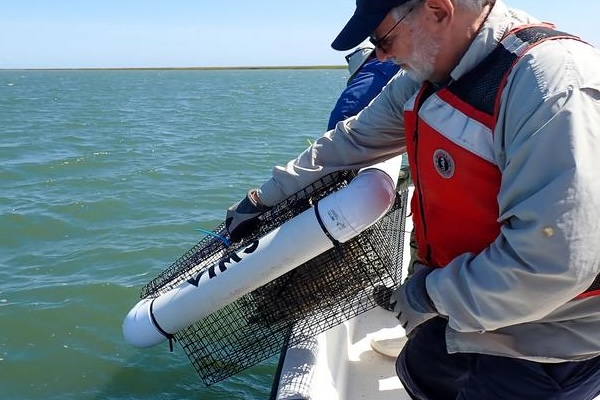
Study: Oysters play unexpected role in protecting blue crabs from disease
By filtering parasites from the water, oysters can lower disease risk for juvenile blue crabs, adding to the ecological benefits of oyster reefs.
Intelligence
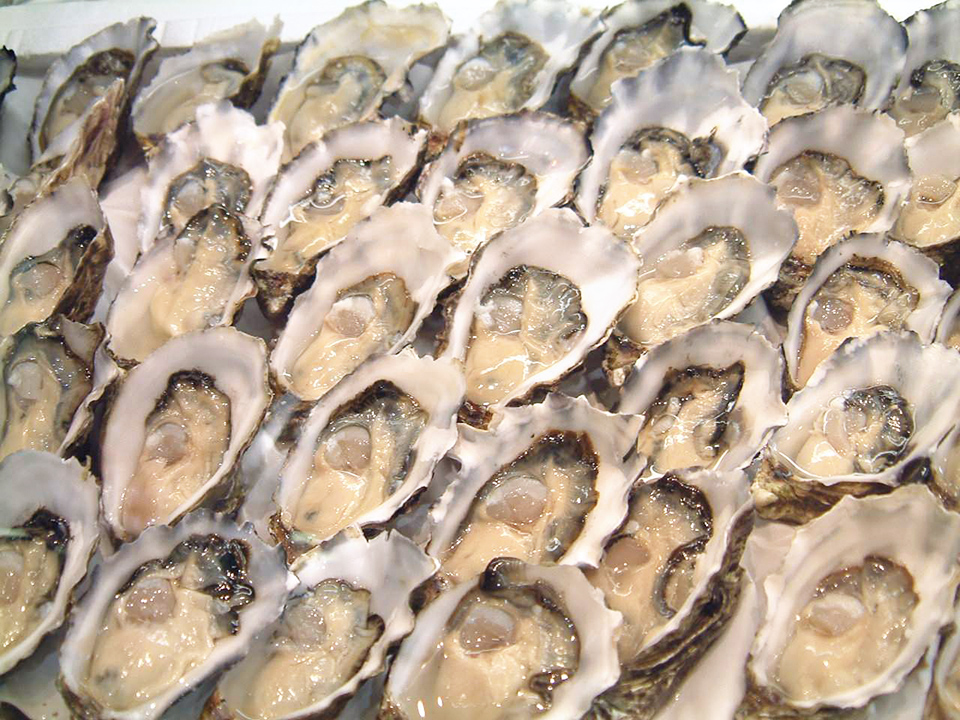
Damaging MSX parasite detected in P.E.I., threatening oyster growers
The destructive MSX parasite has been detected in oysters from Bedeque Bay, P.E.I., threatening the island's oyster industry.
Intelligence
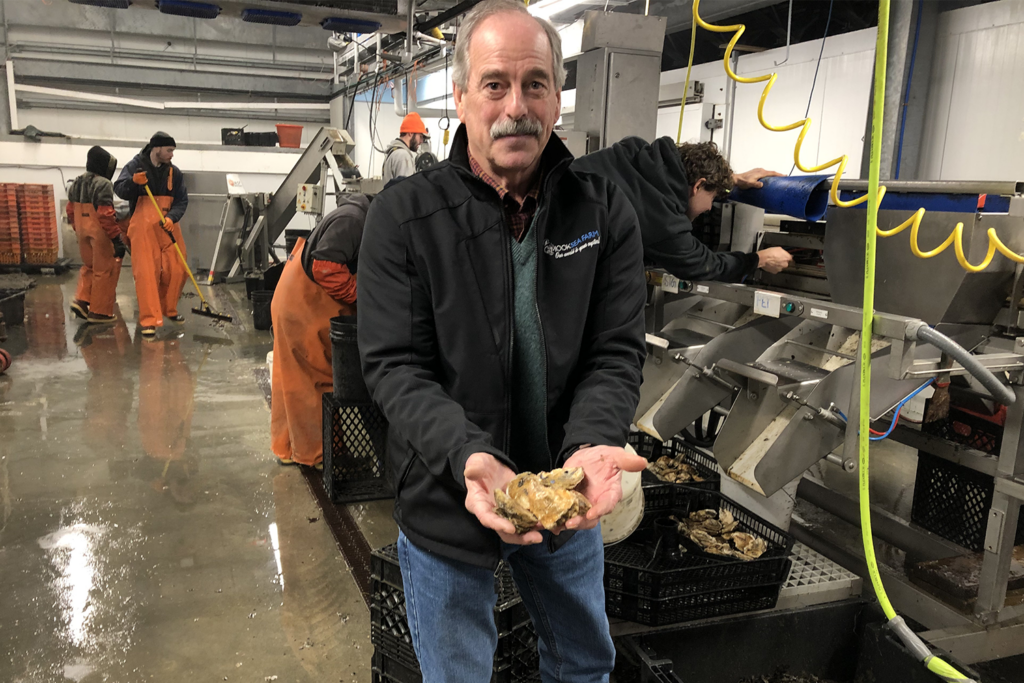
Threatened by climate change, Maine oyster grower adapts how his business ‘interacts with the planet’
Climate change dictates how oyster farmers operate. To handle heavy rainstorms, Bill Mook's latest adaptation includes underground water tanks.
Intelligence
Successful initiative using solar-powered oyster production technology to expand
Survival rates of over 90 percent were observed using solar-powered oyster production technology, leading to the placement of a second spat.