


Effects of partial replacement of fishmeal with BSFL meal in gilthead sea bream feed on the quality characteristics and sensory properties of raw and cooked fillets

Dietary inclusion of 10 percent partially defatted BSFL meal does not significantly affect fatty acid composition of fillets, in particular the EPA and DHA content
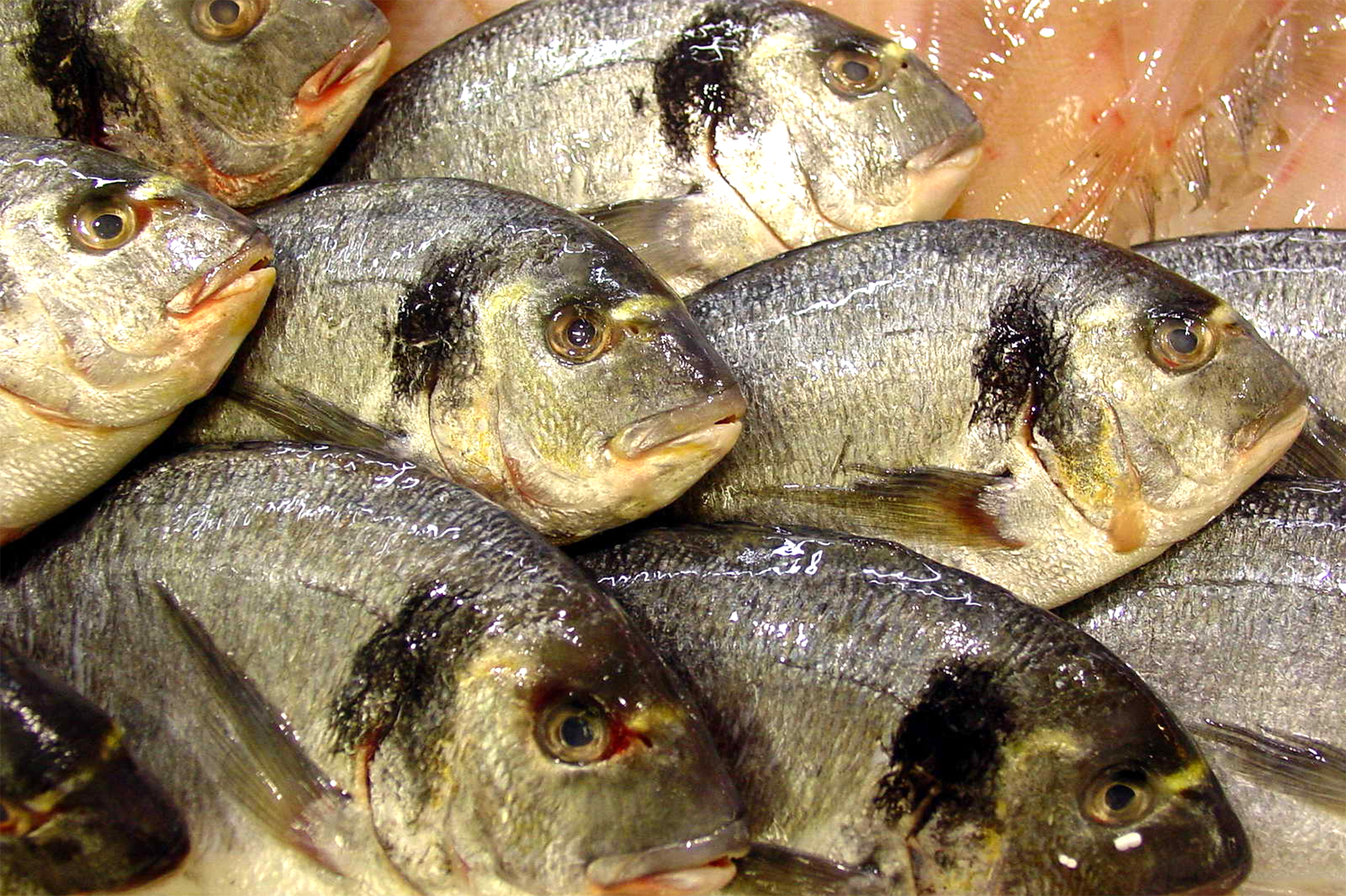
Insects, particularly larvae of the black soldier fly (Hermetia illucens, BSFL) are promising animal feed ingredient alternatives due to their ability to grow on a wide variety of organic substrates and their potential for large-scale production. These characteristics make them a suitable circular economy model, which could contribute to the reduction in food waste and the production of protein-rich biomass for animal feed.
Several authors have tested the effects of aquafeeds containing partial substitution at different percentages and in different forms with meals of black soldier fly (Hermetia illucens) larvae. Despite the use of insects as a feed ingredient that has been authorized by EU legislation and is technically feasible, the acceptance of this innovative feed by stakeholders and consumers – along with the fish products derived from it – is only beginning to be explored.
Several studies have reported minimal impacts on fillet quality from fish-fed BSFL at different percentages and in different forms, compared to standard-fed fish. The literature about feeding gilthead seabream with BSFL-based feed reported that, principally, the fatty acid profile of the fillets was affected by the insect meal, showing an increase in saturated fatty acids (SFAs), particularly lauric acid, while eicosapentaenoic acid (EPA) and docosahexaenoic acid (DHA) contents were substantially not affected.
This article – summarized from the original publication (Copelotti, E. et al. 2025. InsectFish—The Use of Insect Meal in the Fish Sector in Creating Farm-to-Fork Value: Chemical and Quality Characteristics of Sparus aurata Fillets Fed Hermetia illucens Larvae-Based Feed. Foods 2025, 14(17), 3107) – discusses a study that investigated the effects of a partial replacement of FM in the feed of gilthead sea bream (Sparus aurata) with BSFL on the quality characteristics and sensory properties of raw and cooked fillets, as evaluated by a panel of experts of the food service sector.

Study setup
The feeding trial was conducted in the RAS (Recirculating Aquaculture System) located at the Department of Agricultural, Food and Agro-Environmental Sciences of the University of Pisa, Pisa (Italy). One hundred and thirty-two Sparus aurata specimens kindly supplied by COSA Società Agricola a r.l, were used. Fish with an average weight of 364.09 grams were randomly divided equally into 6,420-liter tanks with water recirculation and for a stocking density of 19.1 kg per cubic meter.
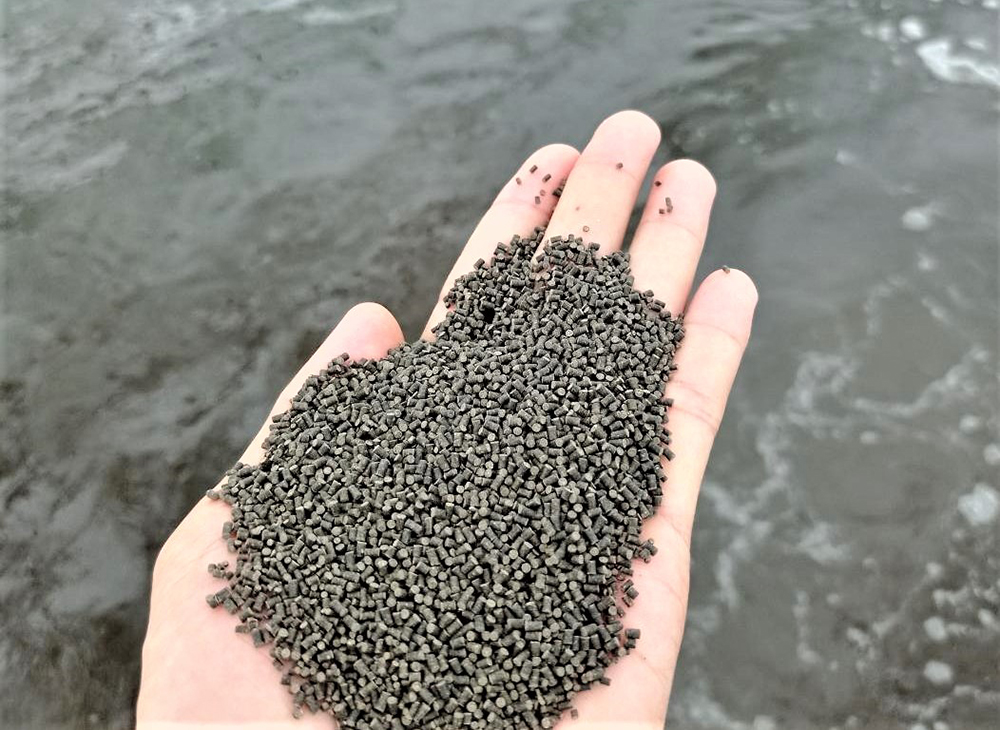
Two isoenergetic, isonitrogenous and isolipidic aquafeeds, formulated to meet the nutritional needs of S. aurata, were purchased from VRM Naturalleva srl (Verona, Italy): a standard diet containing 22.8 percent fishmeal as fed basis (control, CTRL), and an experimental diet (IF) containing 10 percent BSFL meal partially defatted, replacing about 40 percent of the fishmeal of the control feed. This percentage of BSFL meal has been reported as a cost-effective and tolerable fish meal substitution for S. aurata.
Fish groups were left to adapt to the farming conditions over ten days before the tank was assigned to a diet (3 tanks per diet). Fish were fed till satiation once a day, seven days a week for two months and the quantity of feed supplied to each tank was recorded. Photoperiod followed natural changes according to the season of the year. At the end of the trial, fish were fasted for 24 hours before slaughtering.
For detailed information on the experimental design and system; animal husbandry; sample and data collection and analyses, refer to the original publication.
Evaluating passive acoustic telemetry to monitor gilthead sea bream juveniles
Results and discussion
The proximate composition analysis showed no significant differences between gilthead sea bream fed the CTRL and IF diets. According to the data reported by Anedda et al. and other researchers, who have conducted trials substituting 10 percent of fishmeal with H. illucens meal in feeds for gilthead sea bream, there were no significant differences in the proximate composition of fish fillets. On the other hand, previous research observed changes in the physical and chemical characteristics of the skin and fillets when insects were employed as substitutes for fishmeal in aquaculture feeds. These modifications could mainly be attributable to the amount of substitution of the fishmeal with insect meal and the defatting degree of the meal (partially/fully defatted or full-fat), and also in relation to fish species considered.
Color measurements of the skin and fillets did not show any significant difference between the dietary treatments. Color is an essential parameter to consider in terms of quality because the appearance of skin and fillets is one of the main quality indicators for consumers when buying fish. Although there were no statistically significant differences in skin color measurements between the dietary treatments, the total color difference was 2.48. The minimum value for the human eye to perceive a noticeable difference is 2.3, suggesting a slight difference, mainly attributable to the higher lightness and yellowness values observed in the skin of IF fish, along with a lower redness index in the CTRL fish. Overall, there was a lack of noticeable difference by the human eyes in color between the two dietary treatments.
The inclusion of 10 percent BSFL meal did not cause pH variation in the fillets. These results corroborate what was reported from other authors who tested BSFL meal as a fishmeal substitute and confirmed that the post-mortem acidification process in fillet muscle is not influenced. But it should be emphasized that pH values could be affected by the rigor mortis resolution, so differences between studies could also be related to the time of measurement of the pH.
Results of the fatty acid profile of the gilthead sea bream fillets showed that the main fatty acids in fillets derived from both the dietary treatments were oleic acid, linoleic acid and palmitic acid, representing about 70 percent of the total fatty acid composition. The diet did not affect the main fatty acids, but significant differences between treatments were identified for lauric, myristic and stearic acids. Observed variations could be ascribable to the fatty acid compositions of BSFL meal, since the meal was not completely defatted. Our results are in line with those reported by other researchers that showed that the content of lauric acid in gilthead sea bream fillets increased with high levels of BSFL meal inclusion.
The fatty acid analysis results showed that linoleic acid was the most abundant polyunsaturated fatty acid (PUFA), followed by alphalinolenic acid. Incorporating BSFL meal into the feed did not significantly alter the PUFA content of the diet in comparison to the CTRL one; therefore, no variation for this group of fatty acids was expected in the fatty acid profile of fillets.
When evaluating the potential of a new ingredient for aquafeed formulation, such as insects, it is not only essential to ensure optimal fish growth but also to maintain the quality of fish for consumers. Consumers generally have a positive perception of fish, viewing it as a healthy dietary choice. Fish is indeed considered an essential part of human nutrition, providing important nutrients such as omega-3 PUFA fatty acids.
Fish are unable to synthesize PUFA omega-3s, so they must acquire them through the diet. As a result, we obtained no significant differences in the content of eicosapentaenoic acid (EPA) and docosahexaenoic acid (DHA) of the gilthead sea bream fillets fed the two diets. These results were expected as the diets did not differ in EPA and DHA percentages, and typically H. illucens larvae do not contain these acids. These results suggested that gilthead sea bream could be fed in the last rearing period – until the standard size is achieved – with a BSFL meal substitution without impairing the content of these essential FAs in fillets.
Results also indicate that replacing 10 percent of fishmeal with partially defatted BSFL meal did not influence the oxidation of the fillets’ lipid fraction. The results of the oxidation products may be attributable to the similar total saturated fatty acids and PUFA contents of the fillets. Similar findings were reported by other researchers using a BSFL meal as a 10 percent fishmeal substitution. Moutinho et al. conducted a study employing H. illucens oil inclusions as a partial replacement for vegetable oils in gilthead sea bream feed and reported a significant reduction in lipid peroxidation level, related to the fatty acid profile of fillets associated with H. illucens oil inclusions.
Fillet quality and sensory characteristics of Atlantic salmon fed black soldier fly larvae meal
Regarding the sensory analysis, results from the duo–trio test showed that out of 26 panelists, 23 correctly identified the raw fillet samples that differed from the reference. The differences in the raw samples were perceived as significantly different at the 95 percent confidence level. Additionally, with 22 correct responses, the samples were considered significantly different at a 99 percent confidence level.
Open-ended responses used to explore the sensory differences noted by the panelists in relation to the fillets showed that the main differences were related to color, texture, flaking and odor intensity. The perception of the panelists was a mix of visual attributes that were also related to the structure and odor of the fillets. These two elements were surely also related to the fatty acid minerals profiles. In contrast, among the cooked fillet samples, only 14 assessors correctly identified the sample that differed from the reference. We can conclude that incorporating insects into the fish diet affects the characteristics of the raw fillets but does not significantly impact the sensory properties of the cooked product.
The present study highlights that while insect meal inclusion does not significantly alter the sensory properties of cooked fillets, differences can be perceived in the raw product. This suggests that further research should explore the implications of these raw fillet differences, particularly in relation to consumer perception and processing properties.
Perspectives
This study provides a characterization of gilthead sea bream fed with a 10 percent replacement of fishmeal with partially defatted black soldier fly meal. We examined the effects on the chemical composition of fillets and their quality, and the results showed that a substitution of the fishmeal with partially defatted BSFL meal did not significantly impact the proximate composition, color and pH of fillets. Gilthead sea bream fed 10 percent of partially defatted BSFL meal contains lauric and myristic acids due to the fatty acid composition of the larvae. However, this does not cause significant changes in the fatty acid composition of fillets and, in particular, in the EPA and DHA content. The overall results suggest that partially defatted BSFL meal may represent a valid fishmeal alternative for aquafeed production that could affect the sensory properties of raw fillets without altering the nutritional composition.
Now that you've reached the end of the article ...
… please consider supporting GSA’s mission to advance responsible seafood practices through education, advocacy and third-party assurances. The Advocate aims to document the evolution of responsible seafood practices and share the expansive knowledge of our vast network of contributors.
By becoming a Global Seafood Alliance member, you’re ensuring that all of the pre-competitive work we do through member benefits, resources and events can continue. Individual membership costs just $50 a year.
Not a GSA member? Join us.
Authors
-

Department of Veterinary Sciences, University of Pisa, Viale delle Piagge 2, 56125 Pisa, Italy
-
Department of Food and Drug, University of Parma, Parco Area delle Scienze 45, 43124 Parma, Italy
-
Department of Food and Drug, University of Parma, Parco Area delle Scienze 45, 43124 Parma, Italy
-
Department of Veterinary Sciences, University of Pisa, Viale delle Piagge 2, 56125 Pisa, Italy
-
Department of Veterinary Sciences, University of Pisa, Viale delle Piagge 2, 56125 Pisa, Italy
-
Department of Veterinary Sciences, University of Pisa, Viale delle Piagge 2, 56125 Pisa, Italy
-
Department of Veterinary Sciences, University of Pisa, Viale delle Piagge 2, 56125 Pisa, Italy
-
Interdepartmental Research Center Nutrafood “Nutraceuticals and Food for Health”, University of Pisa, via del Borghetto 80, 56124 Pisa, Italy
-
Department of Agri-Food Production and Environmental Sciences, University of Florence, via delle Cascine 5, 50144 Firenze, Italy
-
Department of Agri-Food Production and Environmental Sciences, University of Florence, via delle Cascine 5, 50144 Firenze, Italy
-
Department of Grain and Compound Feeds Technologies, Odesa National University of Technology, Kanatnaya 112, 65039 Odesa, Ukraine
-
Institute for Global Food Security, School of Biological Sciences, Queen’s University, BT9 5DL Belfast, UK
-
Institute for Global Food Security, School of Biological Sciences, Queen’s University, BT9 5DL Belfast, UK
-
Corresponding author
Department of Veterinary Sciences, University of Pisa, Viale delle Piagge 2, 56125 Pisa, Italy
Related Posts
Health & Welfare
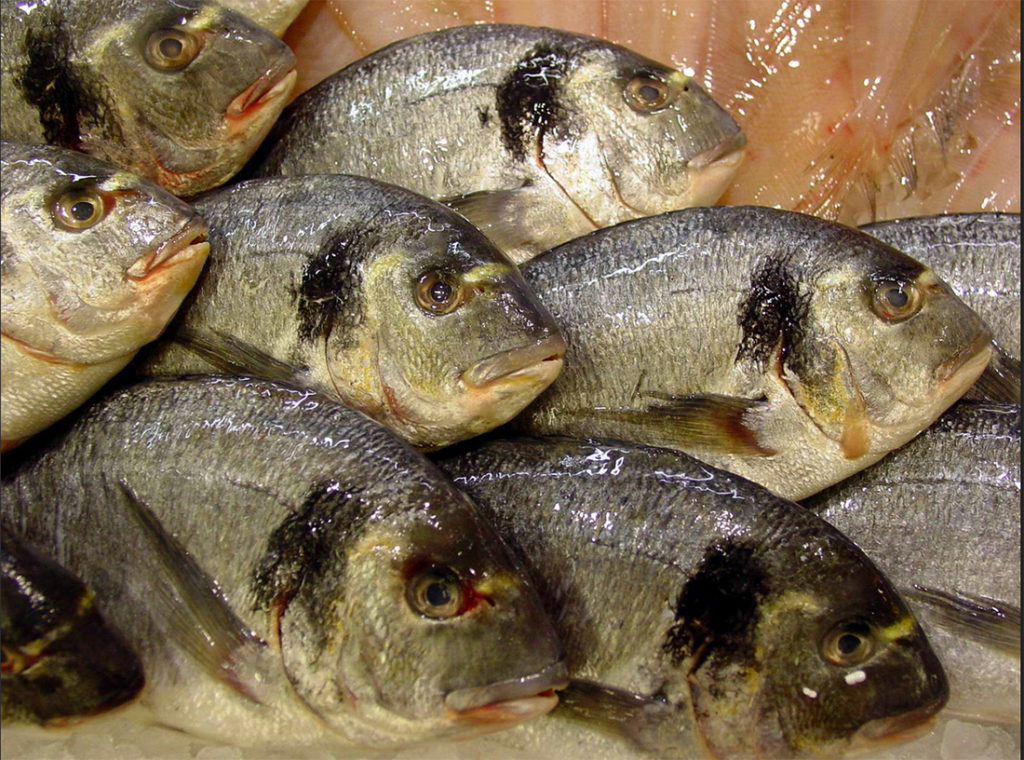
Combined effects of nutritional, biochemical, environmental stimuli on gilthead sea bream
Study evaluates effects of holding temperature and low fish oil diets with dietary genistein on several production parameters for gilthead sea bream.
Health & Welfare
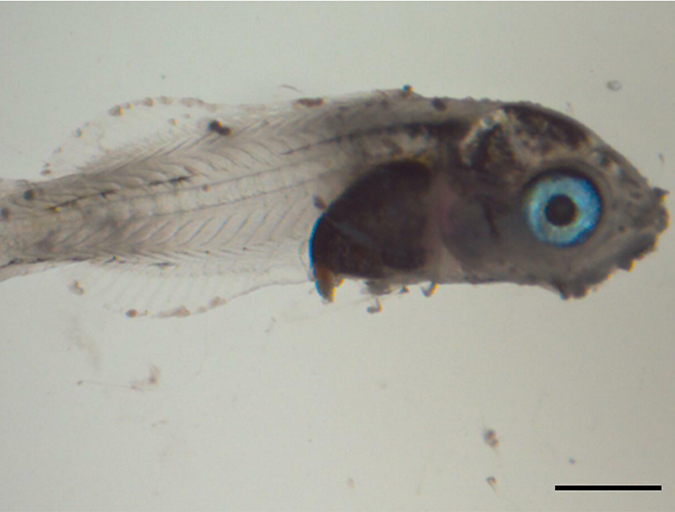
Emerging epitheliocystis disease in Mediterranean sparids caused by novel bacteria
Epitheliocystis is an emerging infection among farmed gilthead seabream and is also lethal in mesocosm cultures of sharpsnout seabream larvae. Two studies of this disease at sites in Greece and Crete have characterized the gill and skin cysts in more detail.
Health & Welfare
Dietary passionfruit peel powder boosts Nile tilapia immunity
Dietary supplementation with passionfruit peel powder stimulates the immune, antioxidant systems of Nile tilapia cultured in biofloc systems.
Aquafeeds
Macronutrient research in aquaculture nutrition
Proteins, lipids and carbohydrates require equal consideration for aquafeed formulators, as each macronutrient influences performance and feed conversion.