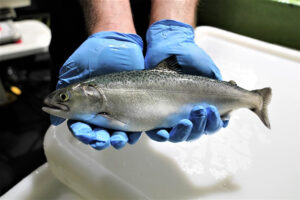
With oceans warming, researchers explore a thermotolerant salmon in New Zealand
The impact of ocean warming on farmed salmon has encouraged the Cawthron Institute to research ways to boost climate change resilience.



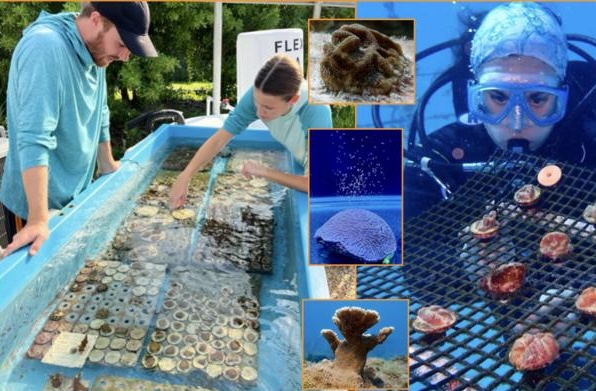
A new NOAA-funded project will scale up novel interventions to increase climate resilience in coral reefs and leverage innovative technology.
The impact of ocean warming on farmed salmon has encouraged the Cawthron Institute to research ways to boost climate change resilience.
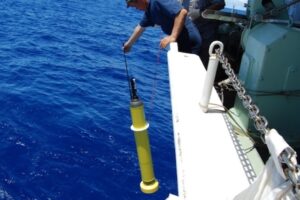
A new machine learning technique precisely tracks ocean oxygen loss, offering insights into climate change’s impact on marine life.

PEI’s new Seafood Sector Climate Change Adaptation Strategy focuses on building resilience in the seafood industry through targeted actions.
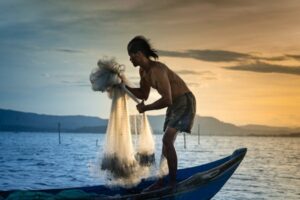
At COP29, WorldFish will push for including aquatic food systems in climate plans to boost resilience, food security and sustainable growth.
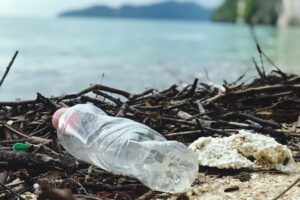
Bioplastic foam breaks down quickly in seawater, offering a possible solution to ocean pollution caused by materials like polystyrene.
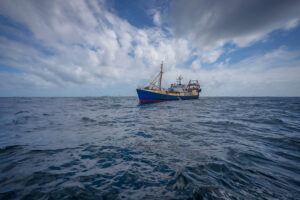
The EU's Corporate Sustainability Reporting Directive (CSRD) raises concerns about supply chain traceability and reporting accuracy.
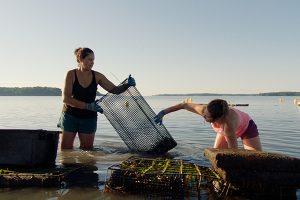
Sustainable Fisheries Partnership and SAGE will promote gender equality in seafood, helping industry leaders create more inclusive workplaces.
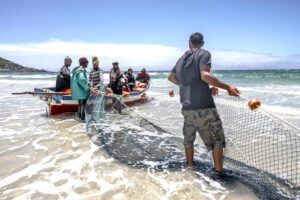
At the G7 meeting, FAO says investment in seafood production is critical to ensuring global food security and combating poverty.
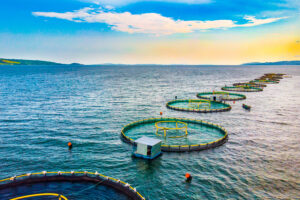
The offshore environment offers ample farming space with less competition from other industries like shipping, tourism, recreation and conservation.

A new study indicates deep sea phytoplankton thrive with ocean warming, raising concerns about marine ecosystems.
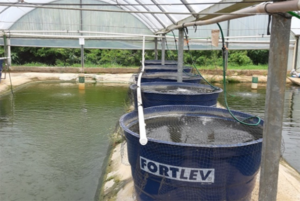
Low water use and effluent discharge supports the sustainable growth of high-density fish ponds for aquaculture in water-limited regions.

A new program aims to enhance sustainability in Ecuador’s shrimp farming industry through targeted education and training.
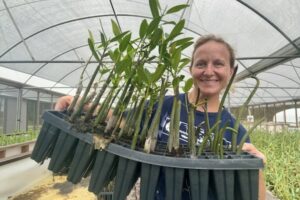
The Florida land-based red drum producer will aid a coastal restoration project to collect and nurture mangrove seeds for replanting.
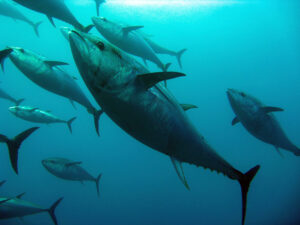
The Nature Conservancy’s Tuna Transparency Pledge seeks comprehensive human or electronic observation on every vessel in the global fleet.
Researchers developed a new seafood waste material that can absorb pesticides and herbicides from produce, possibly extending its shelf life.