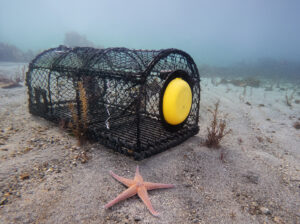
From reporting apps to floating traps: How technology tackles ghost fishing
The global ghost fishing problem has negative environmental and economic impacts, but new technology could help locate and retrieve lost fishing gear.



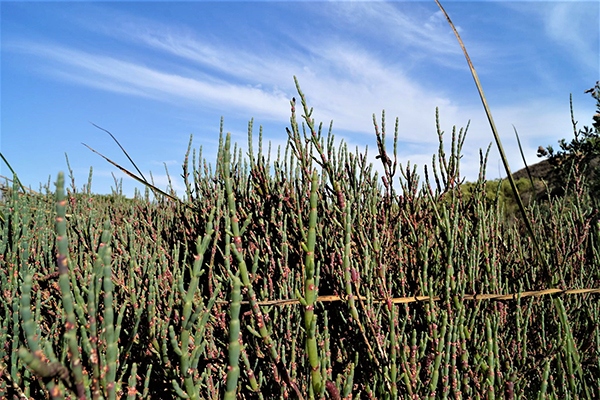
Trial demonstrates that artificial wetlands of Salicornia neei can be used for wastewater treatment in saline aquaculture in South America.
The global ghost fishing problem has negative environmental and economic impacts, but new technology could help locate and retrieve lost fishing gear.
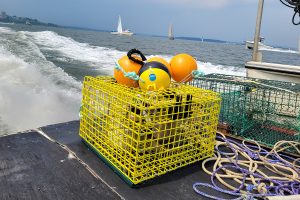
Ropeless fishing gear can prevent whale entanglements and reduce the amount of discarded or lost fishing equipment but the cost is a limiting factor.
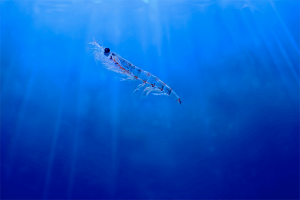
New evidence indicates that Antarctic krill meal is beneficial in salmonid diets, and under certain conditions, can be sustainably harvested.
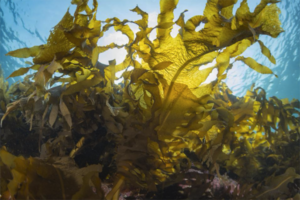
The European Commission is launching EU4Algae – a European algae stakeholder platform – to expedite the algae industry's development.
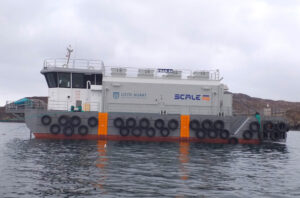
Loch Duart, an independent Scottish salmon farm, has introduced a hybrid feed storage barge to reduce its carbon footprint.
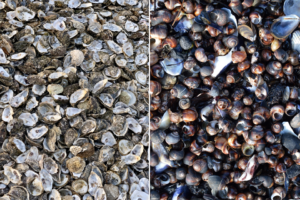
Chinese researchers find that cultured mollusk shells have great potential to reduce environmental impacts of traditional concrete manufacturing.
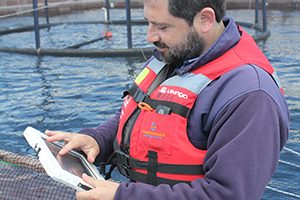
The Center for Responsible Seafood’s TCRS-Hub is designed for collaboration on socially and environmentally responsible seafood production.
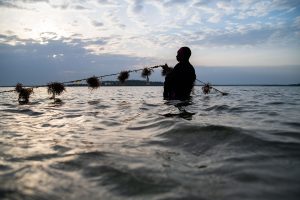
NGO-academic collaborative study finds that mariculture “done right” can aid climate change mitigation by cutting greenhouse gas emissions.
The Big Fish Series explored the logistical and cultural challenges in front of greater whole-fish consumption and how much seafood is being wasted.
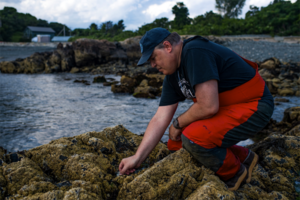
According to a new global study of fish farms, the impact of the COVID-19 pandemic hasn’t been as damaging as climate change.
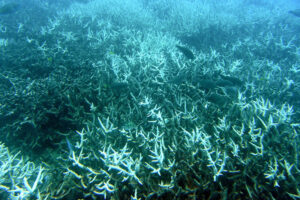
New research shows the ocean temperature in 2021 was the hottest ever recorded by humans, and the effects of ocean warming are "far-reaching."
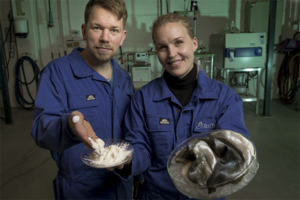
BlueCC is developing ways to use undervalued and invasive species to manufacture consumer products like cosmetics and dietary supplements.
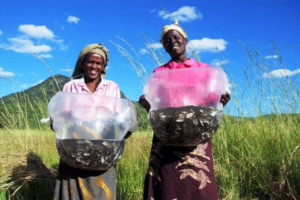
Key insights into fish supply, demand projections, employment and investment estimates needed to secure projected fish supplies in 2030 and 2050.
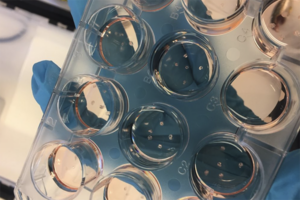
Nofima is developing a methodology to help aquaculture understand climate-change-related stress for species like cod, salmon and lumpfish.
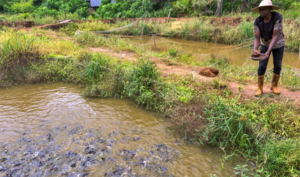
The Norwegian Agency for Development Cooperation (NORAD) has committed $5 million to support IFAD aquaculture projects in East Africa.