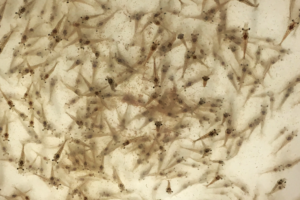
How different Bacillus strains isolated from AHPND-surviving shrimp can reduce mortality
A probiotic showed remarkable inhibition against AHPND in Pacific white shrimp, supporting reduced mortality within different ranges of salinities.



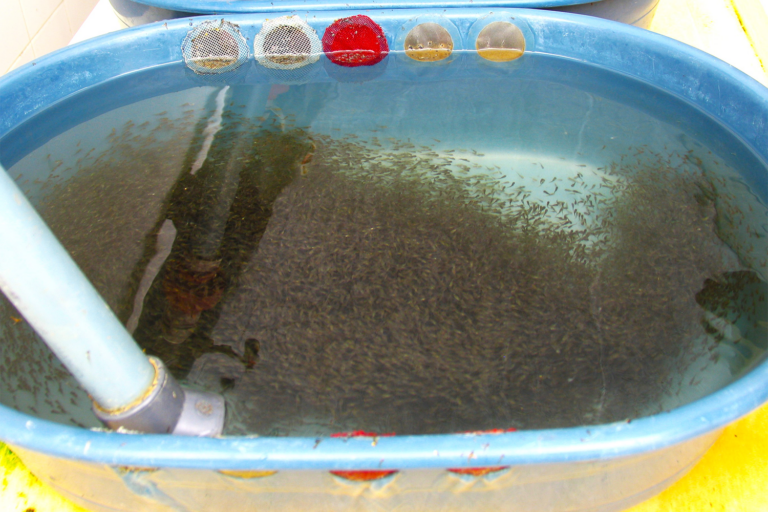
Tilapia respond positively to nutritional programming and a reduction in protein levels in starter feeds for fry shortly after yolk-sac absorption.
A probiotic showed remarkable inhibition against AHPND in Pacific white shrimp, supporting reduced mortality within different ranges of salinities.
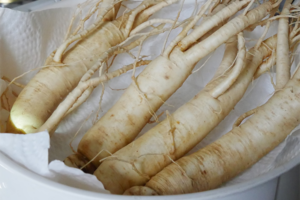
Chinese ginseng can improve the immune responses of shrimp by increasing the hemocyte count and regulating intestinal digestive enzymes.

Less than 10 percent of seawater salmon farms in Scotland used antibiotics in 2022, according to a new report by the UK government.
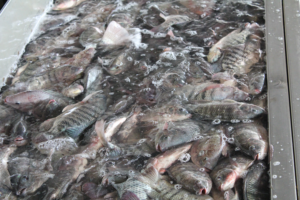
Study argues that applying Mertonian skepticism on claims of sentience and pain in fish and aquatic invertebrates is scientifically sound and prudent.
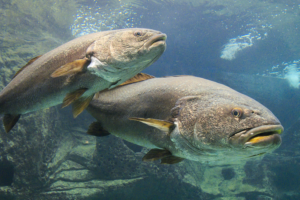
Multi-trait selection captures genetic variability and can possibly detect fish with superior genetic potential while reducing human error.

Genics' shrimp pathogen detection product can detect 14 pathogens in one test, saving money and leading to early disease detection
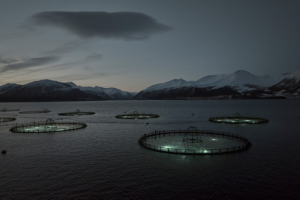
With its light-management regime, cod farmer Ode seeks to improve fish welfare, quality and economic outcomes by delaying sexual maturation.
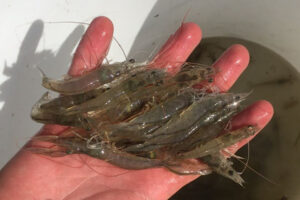
Two dietary single-cell protein sources promoted growth, immunity and digestion and improved intestinal microbiota stability in L. vannamei shrimp.
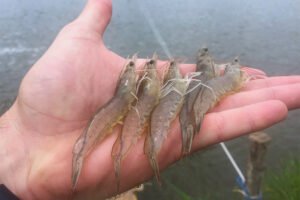
By precisely targeting viral pathogens, RNAi has the potential to provide an environmentally friendly solution to combatting viral shrimp diseases.
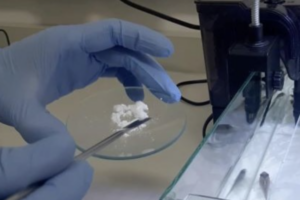
A novel biomaterial that delivers medication directly to the fish gut helps combat antimicrobial resistance and avoids drug waste in water.
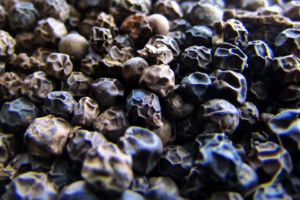
Piperine at doses of 0.1–0.4 percent can be a valuable feed additive to improve the growth, feed utilization, immunity, digestibility and disease resistance of L. vannamei.
For the best growth and highest level of in vivo antioxidant activity, the optimal level of the grape extract Nor-grape 80 is 250–500 ppm.
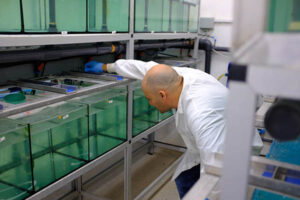
A funding round of $8.25 million enables ViAqua to scale RNA-based solutions for aquaculture disease and invest in R&D for future products.
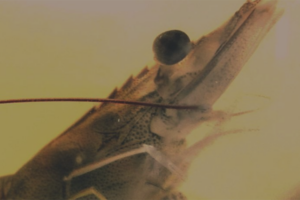
FAI Farms' website and training course is a resource hub with insights and practical solutions for optimizing shrimp welfare in aquaculture.
Machine learning technology and novel alternatives like bacteriocins are unlocking a new era of tackling disease and antibiotic use in aquaculture.