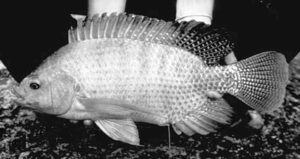
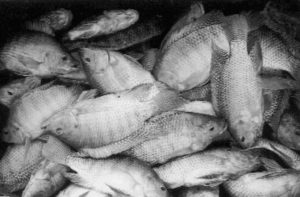
‘Super male’ Nile tilapia outperform hormone-reversed fish in Nicaragua
A recent study compared the growth and survival at different salinity levels of “super male” (YY) tilapia with normal sex O. niloticus reversed to 100 percent phenotypic males.



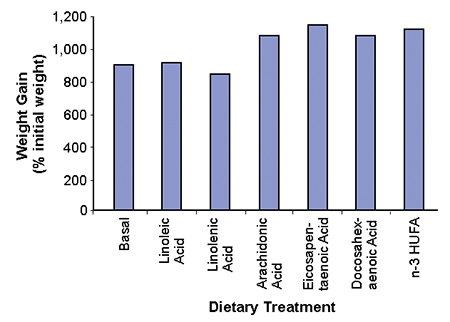
Dietary lipids are necessary for the growth, survival and metabolic functions. Triglycerides are the main form in which humans ingest and accumulate fat.
A recent study compared the growth and survival at different salinity levels of “super male” (YY) tilapia with normal sex O. niloticus reversed to 100 percent phenotypic males.
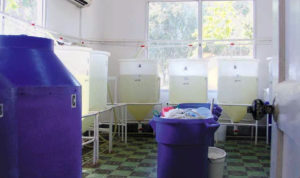
Based on histopathology and ultrastructure, the etiology of necrotizing hepatopancreatitis (NHP) in Pacific white shrimp was related to an intracellular bacterium.

Authors assessed the health of black tiger shrimp seedstock produced in hatcheries around Tamilnadu in southeastern India.
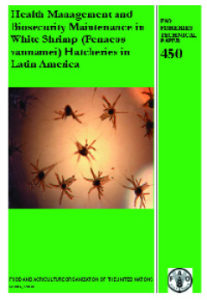
FAO published a technical paper with the aim of helping Latin American white shrimp hatcheries hatchery operators produce quality, disease-free postlarvae.
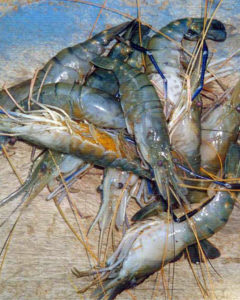
The giant freshwater prawn and the riverine prawn are cultured in India, where the per-capita intake of meat and milk is poor. Fish and prawns play a vital role people’s diets.

Research has been directed toward developing compound microdiets to ameliorate variability and poor nutritional quality of live food.
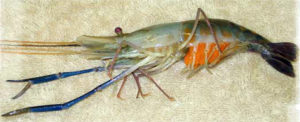
The operation of a freshwater prawn hatchery in temperate climates presents a variety of challenges not found in the traditional greenwater or flow-through systems.
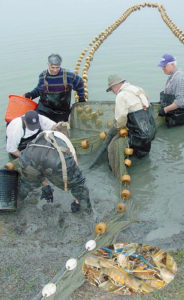
Excitement about the potential farming of freshwater prawns in the United States has persisted for almost five decades but has yet to materialize.
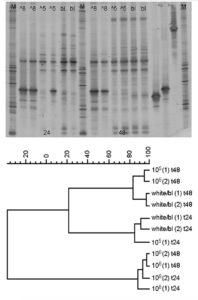
Probiotics for marine larviculture offer an alternative to the prophylactic use of antibiotics in aquaculture, which may lead to drug-resistance.
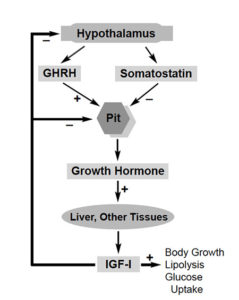
The enhancement of growth rate is a particularly important economic parameter, as it can significantly reduce the time required to produce market-size fish.
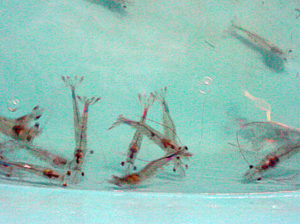
Study shows that increasing the dietary lipid level affected the lipid composition of shrimp by increasing lipid deposition in hepatopancreas and muscle tissue.

Spot histamine testing does not assure there are no histamine fish in the system, but does let suppliers know that handling procedure are double-checked.
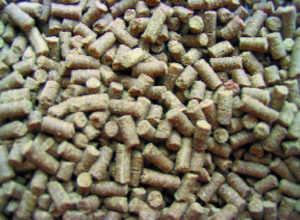
Of all the issues important to shrimp nutrition, the reduction of feed cost with concomitant increased feed performance are most desirable.
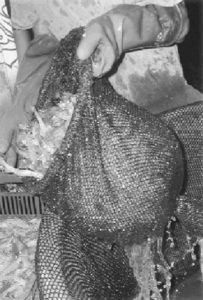
HACCP plans bring the benefits of quality assurance, documented chain of custody, monitoring and inputs and better supervision of employee actions.
Authors carried out a series of experiments at and around Central Luzon State University designed to determine optimal feeding strategies for tilapia.