Recirculation: Microbial control strategy for intensive marine larviculture
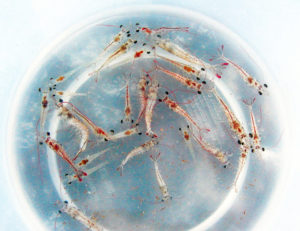
Recirculating aquaculture systems have properties that can mature and stabilize the microbial community, creating a more benign bacterial flora in larval tanks.
Although the application of selective breeding and genetics can yield dramatic results, the use of genetically improved stock varies widely among aquaculture sectors. Virtually all Atlantic salmon and rainbow trout producers use improved stock, while use of genetically improved tilapia varies widely.
Recirculating aquaculture systems have properties that can mature and stabilize the microbial community, creating a more benign bacterial flora in larval tanks.
The objective of a contingency plan is to quickly recover production through rapid initial response and effective implementation of biosecurity measures. Such plans depend on whether the detected pathogen or disease is exotic or endemic, its potential economic impacts and whether it is to be eradicated.
The development of an effective biosecurity plan requires full understanding of facility design and operations, and knowledge of the animals’ health status and the transmission modes of pathogens in order to identify the risks and define meaningful measures.
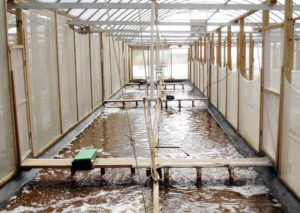
Biofloc technology provides high productivity, low feed-conversion ratios and a stable culture environment. Also, with viral problems and rising costs for energy, biofloc technology can help deliver sustainable production at lower cost.
Environmental and fish health problems have affected Chile’s salmon farmers since 2004. As production ramped up, 2006 saw an increase in sea lice that reduced output. In 2007, infectious salmon anemia spread across the farming region and quickly cut production.
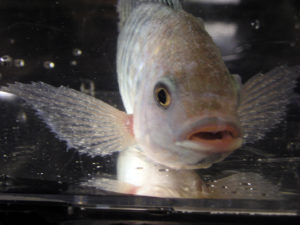
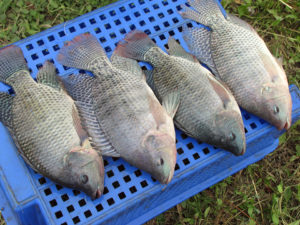
Tilapia quickly reach sexual maturity in culture, and unless controlled, the fish reproduce and offspring compete for food. All-male culture of tilapia is preferred because of their fast growth and larger average size.
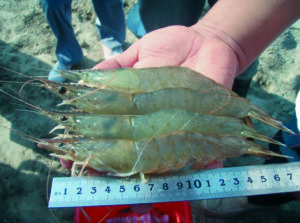
For two years of data, the effects of management, season, stocking density and salinity on the incidence of disease in northeastern Brazil’s shrimp farms were found to be highly significant.
The effective control of tilapia health depends on integrated management that considers all factors, including species, the environment, pathogens present and farm management practices.
Early biofloc-based culture systems in tanks in Brazil have given way to commercial-scale bioreactors housed in greenhouses that utilize water fertilization regimes, high-protein feeds and salinity controls.
Vaccines are a proven, cost-effective method to prevent infectious diseases in animals. Current vaccinations for fish can be categorized as killed fish vaccines or modified live vaccines.
Biopsies and polarization index measurements of mature sturgeons are highly variable and not always accurate in indicating egg maturity. Ultrasonic imaging offers a simple, less time-consuming and reliable alternative for evaluating sturgeons’ sex and oocyte maturity.
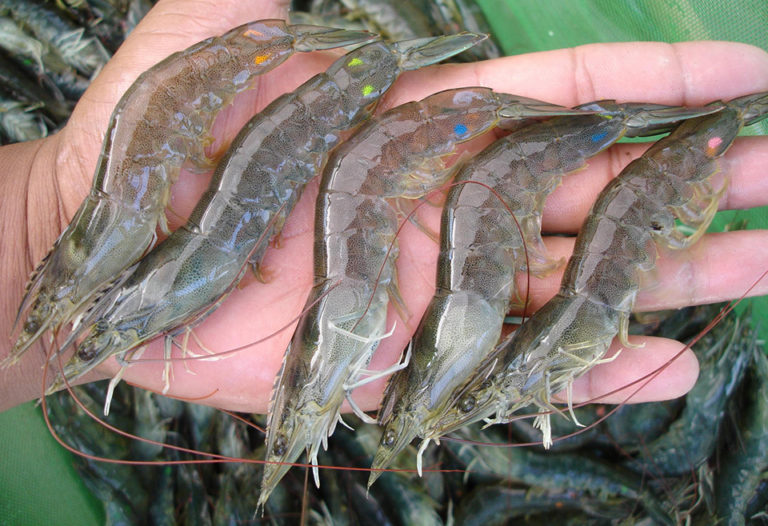
Through a genetic selection program started in 2006, significant advances have been achieved in the development of a specific pathogen-free L. vannamei line in Brazil.
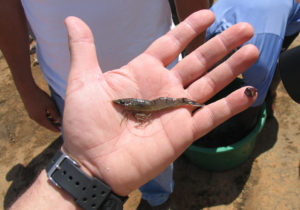
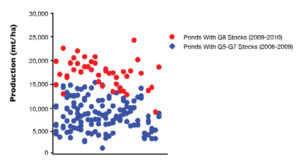
The largest shrimp hatchery in Mexico has implemented a two-stage selection program based on body weight at 28 days of age and and body weight at 130 days.
Research on the methionine requirement for white shrimp showed a diet requirement of 0.45 percent using a protein-bound form of methionine.
The ability to culture pangasius in the low-salinity waters typical of coastal shrimp ponds in tidal zones would permit shrimp farmers to culture an additional species of economic importance and aid in diversifying the commercial aquaculture production of these areas.