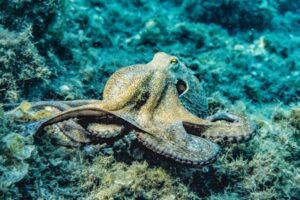
Mexican senator proposes nationwide ban on octopus farming over animal welfare concerns
Bill would prohibit breeding or growth stages of any cephalopod species in the country, following legislation introduced in Chile in 2025.



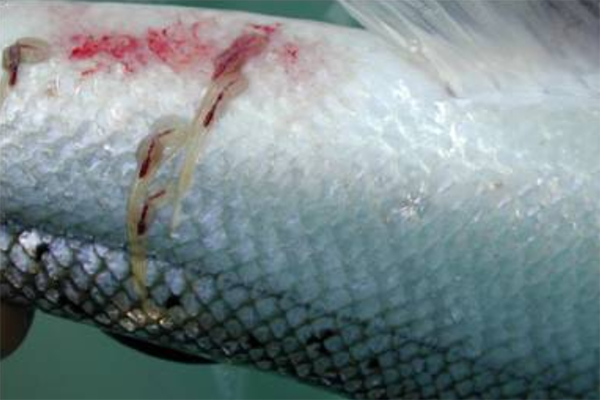
New research finds larval salmon lice produce unique proteins that may help them evade immune defenses, offering new targets for parasite control.
Bill would prohibit breeding or growth stages of any cephalopod species in the country, following legislation introduced in Chile in 2025.
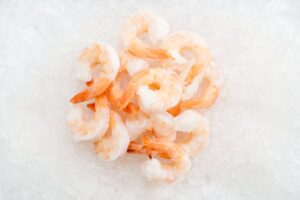
Lidl GB bans eyestalk ablation in farmed prawns and plans electrical stunning to advance animal welfare standards in U.K. shrimp supply chains.
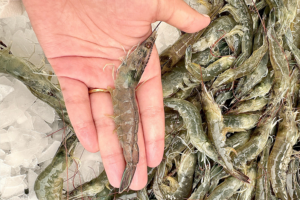
This review of recent aquaculture literature examines the importance of a shrimp’s gut microbiota, fermentation technology in aquafeeds and more.
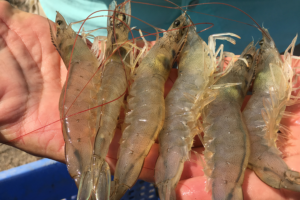
Ace Aquatec’s Humane Stunner Universal did not impact shell coloration, adhesion strength or flesh color in comparison to traditional ice slurry.
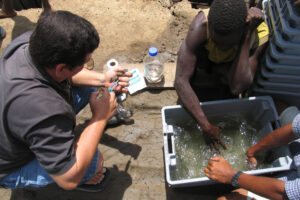
Can genetics help solve a limiting factor for China’s shrimp sector? We look at a study examining the high rates of non-spawning females in hatcheries.
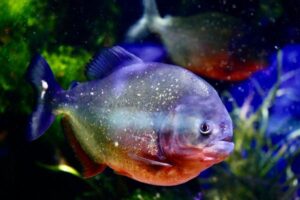
Researchers will aim to improve fish welfare in the ornamental trade while supporting Amazonian communities and rainforest conservation.
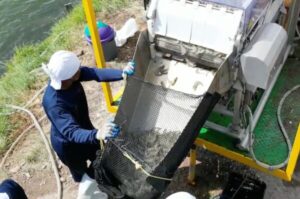
Vietnamese shrimp producer Trang Corporation adopts humane stunning at harvest after joining a program focused on animal welfare.
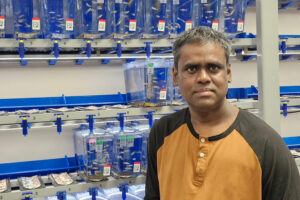
Insights into dietary strategies to enhance fish health and resilience against pathogens, thus promoting sustainable aquaculture practices.
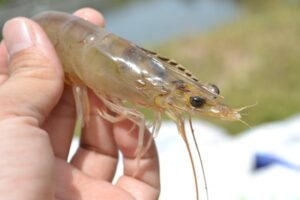
A grant from Coefficient Giving will fund research into humane slaughter methods, advancing animal welfare during seafood processing.
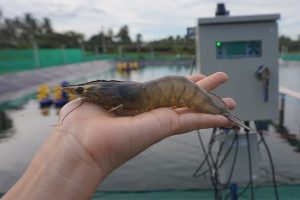
FAI’s new Shrimp Hub offers training and tools to help shrimp producers advance animal welfare across the supply chain.
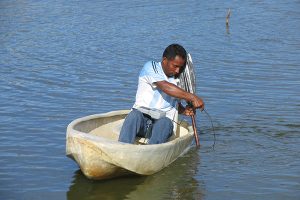
This review of aquaculture research explores whether the pathogen that causes AHPND can be aerosolized, which poses a significant biosecurity risk.
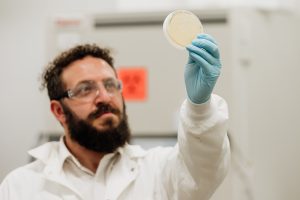
Innovative disease diagnostic tools like Integrated Fluidic Circuits are enabling faster, more informed responses to health challenges.
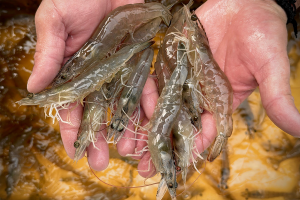
Optimized aeration strategies, effective microbial functions and waste management and stable biofloc performance can improve L. vannamei culture.
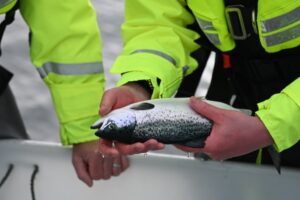
A University of Stirling study will examine tissue repair and disease resilience in farmed salmon, targeting gill and skin health challenges.
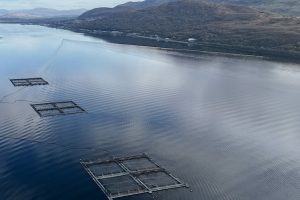
A multi-year study will examine if a mass salmon escape during an October storm left any genetic impact on wild salmon populations.