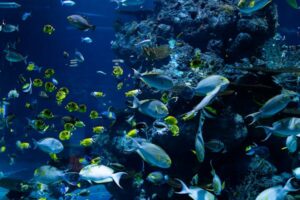
Metastudy finds large-scale marine protected areas boost tuna populations
A new study finds that large-scale marine protected areas boost tuna populations and catch rates, benefiting both ecosystems and fisheries.



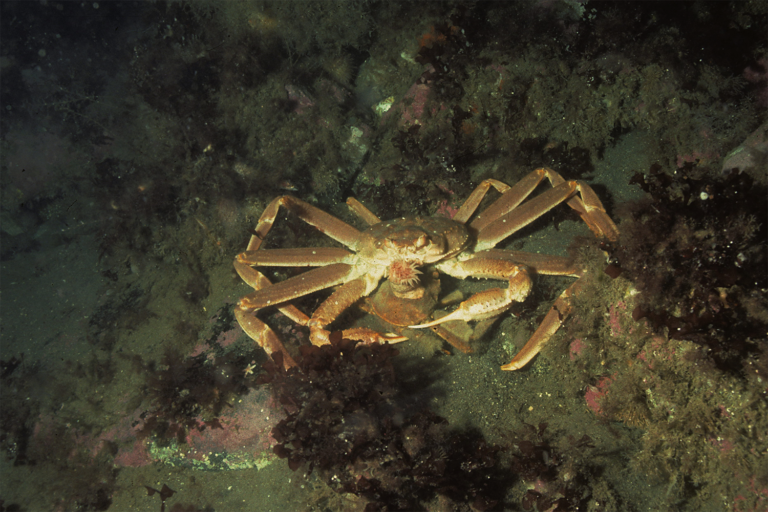
The impact on the marine environment caused by ghost fishing gear is not always increasing due to self-baiting and can vary during exposure.
A new study finds that large-scale marine protected areas boost tuna populations and catch rates, benefiting both ecosystems and fisheries.

Overfishing, bycatch, habitat loss and climate change have caused a 50 percent decline in shark and ray populations since 1970, study finds.
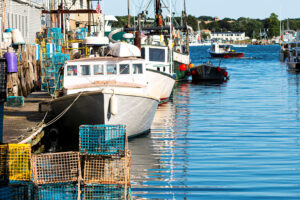
Warming oceans are causing major changes, yet some fish species, where the waters are most in flux, are showing climate resilience.
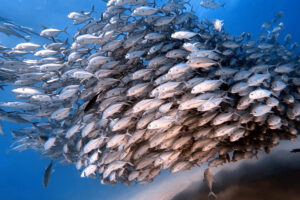
Understanding the consequences of extreme events throughout marine ecosystems is necessary for effective, holistic and sustainable management.
A new study uses acoustic telemetry to track aquatic species’ migrations, providing vital data for fisheries and marine conservation.
New ISSF report shows 88 percent of the global tuna catch is from healthy stocks, signaling progress despite challenges with overfishing.
The Global Squid Supply Chain Roundtable takes a step forward in advancing seafood transparency by publicly disclosing its squid sourcing.
Study results support for TACs for rock lobster in proportion to the previous year’s catch per unit effort, and accounting for climate change impacts.

Two global wild-capture fisheries standards holders will be working together to enhance cooperation within marine ingredient supply chains.
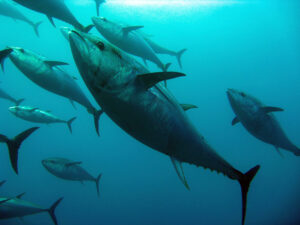
ISSF’s latest report shows 99.1 percent of participating tuna companies comply with 33 conservation measures.
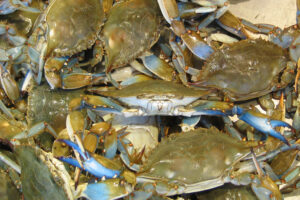
Blue crab byproducts – proteins, lipids, chitins, minerals and pigments – can reduce environmental impacts and create valorization opportunities.
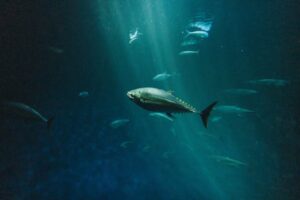
New measures enhance responsible fisheries management of tuna and swordfish, emphasizing science, conservation and small-scale fisheries.
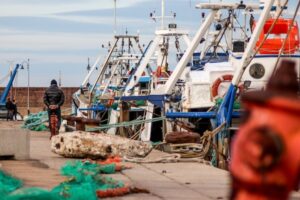
A new project seeks to develop circular fishing gear and port solutions to reduce marine plastic pollution and support responsible fisheries.
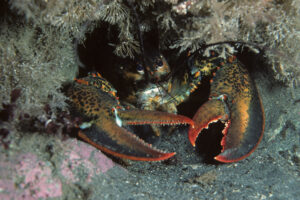
Image-based method to estimate the length of American lobsters provides high-quality data and helps engage fishermen in fishery management.
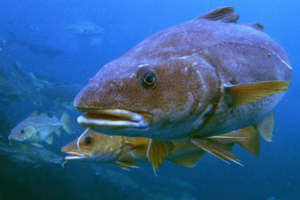
Bottom trawling could decrease the spawning of cod, and other fishes with pelagic eggs, through concentrations of suspended sediments.