
Report spotlights emerging technologies to improve animal welfare in capture fisheries
An ALI report outlines emerging technologies and practices to improve animal welfare in fisheries, including AI monitoring.



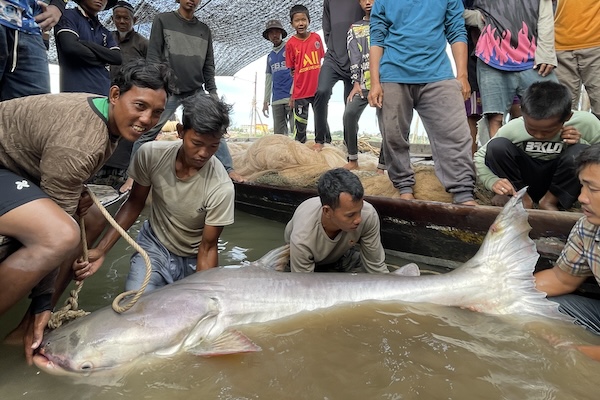
UN report warns migratory freshwater fish populations are collapsing, raising concerns for inland fisheries worldwide.
An ALI report outlines emerging technologies and practices to improve animal welfare in fisheries, including AI monitoring.

Study finds a late-1980s U.S. drought triggered major declines in Gulf of Mexico fisheries, raising future food security risks.
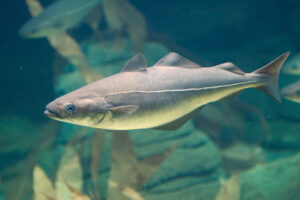
Our monthly fisheries literature review examines fundamentals of fisheries management, fishery dynamics of squid and climate change impacts on Pandalus jordani.
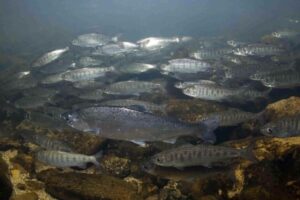
NOAA scientists track a massive marine heatwave off the U.S. West Coast that could affect fisheries, species shifts and harmful algal blooms.
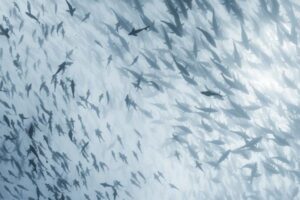
Study finds global fish food webs are shifting toward smaller species and fewer top predators, even where species counts stay stable.

The “orca fence,” designed to mitigate accidental catch of killer whales, is showing positive results after only a couple years of use.
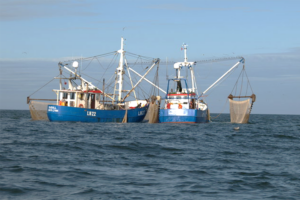
Authors argue that expanding land-based protein production could amplify biodiversity loss, whereas well-managed fisheries can operate within existing ecosystem structures.
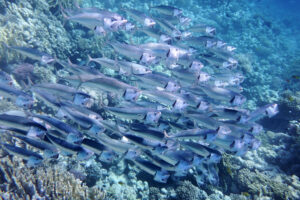
A pragmatic pathway for climate adaptation in fisheries prioritizes feasible, low-risk actions to build adaptive capacity, rather than waiting for perfect data.
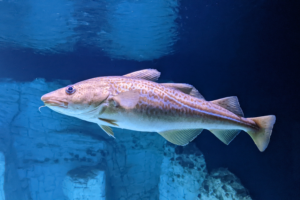
A recent study finds fish across Britain’s seas face ever-smaller meals as warming waters and intensive fishing squeeze ocean food webs.
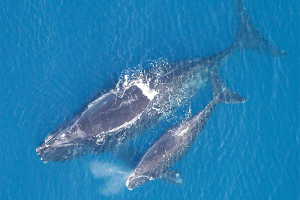
Canada unveils a five-year whalesafe fishing gear strategy aimed at reducing whale entanglements while supporting sustainable fisheries.

A new measure of energetic conditions can serve as an efficient, early-detection system to track snow crab energetic limitations and mortality risk.
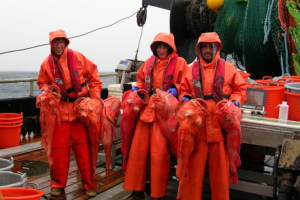
Ninety percent of U.S. fisheries by volume meet rigorous requirements for environmentally sustainable fishing practices, according to MSC.

Tests show a simple zinc-and-graphite device can significantly reduce shark bycatch on longlines without affecting tuna or swordfish catches.
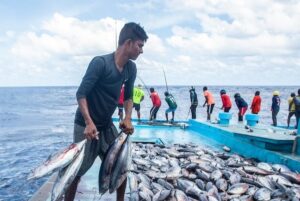
The BBNJ treaty has entered into force, with FAO supporting countries in implementing the agreement to strengthen global ocean governance.
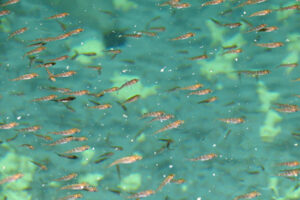
This review of fisheries research explores the impacts of microplastics on marine species and ecosystems as well as strategies to mitigate pollution.