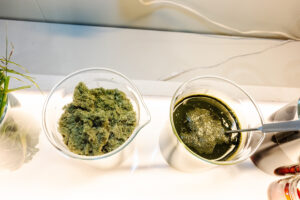
Can grass in fish feeds lead to a greener salmon aquaculture sector?
The Norwegian Institute of Bioeconomy Research seeks to turn grass into protein-rich fish feed in an effort to reduce dependency on soy.



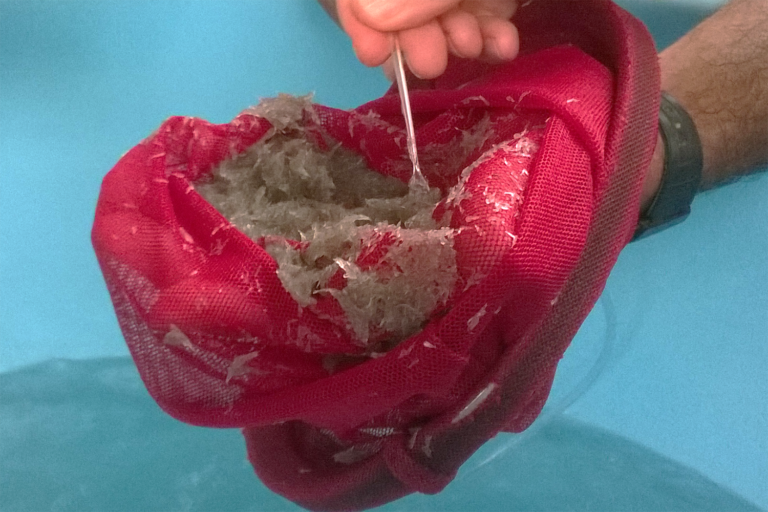
Results revealed variations in protein digestibility across developmental stages of L. vannamei, underscoring the importance of stage-specific dietary formulations.
The Norwegian Institute of Bioeconomy Research seeks to turn grass into protein-rich fish feed in an effort to reduce dependency on soy.
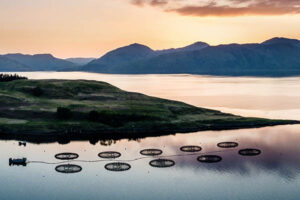
A new "nFIFO" metric may help fish farmers boost nutrient retention, reduce waste and lead to more sustainable aquaculture practices.
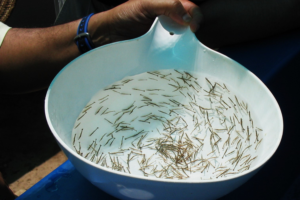
Fermented rice bran was studied as a replacement for soybean meal for black tiger shrimp (P. monodon) with a focus on growth performance.
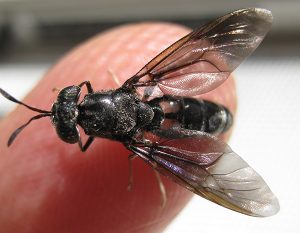
Researchers develop a PCR method to detect mealworm and black soldier fly DNA in aquafeeds, enhancing product authenticity and traceability.
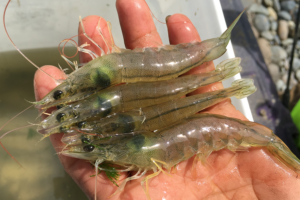
Study highlights the importance of considering selective breeding white shrimp for improved feed efficiency when using plant-based diets.

Health Canada approves a novel omega-3 plant-based oil from canola for use in dietary supplements supporting health.
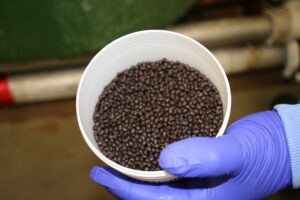
Joint project with Onda and the Canola Council of Canada aims to expand the use of canola as an ingredient for sustainable aquaculture feed.
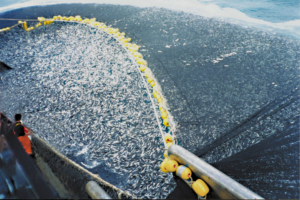
Is aquaculture’s use of wild fish greater than commonly cited? Researcher says a broader approach can better calculate wild biomass used in aquaculture feed.
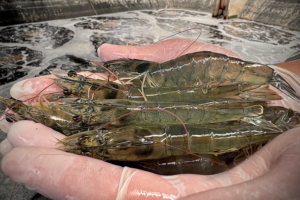
Modulating lipid metabolism, antioxidant capacity and immunocompetence, taurine can improve maturation and health status of P. vannamei broodstock.
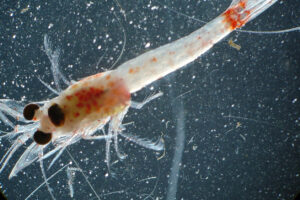
Mysid meal can replace up to 100 percent of the fishmeal in P. vannamei diets with no harm to survival, growth, feed utilization or nutrient retention.
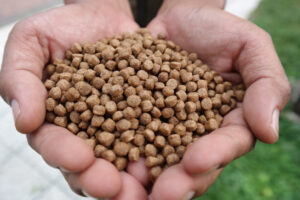
Sustainable Fisheries Partnership aims to increase the transparency of aquafeed ingredients and help improve seafood sustainability.
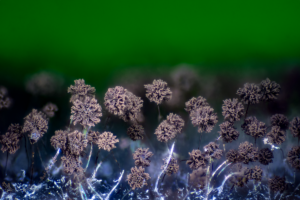
Fungi appear to have many significant applications in aquaculture, but research is needed to realize this potential.
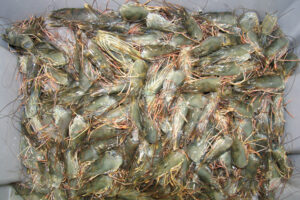
Products from shrimp processing waste are promising high-quality aquafeed ingredients that utilize and valorize shrimp solid waste streams.
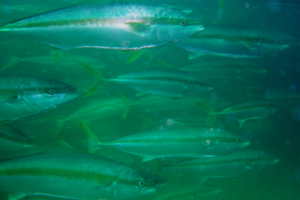
Dietary omega-3 fatty acid levels significantly affect EPA and DHA levels in the livers and muscles of carnivorous and omnivorous fish, but not of herbivores.
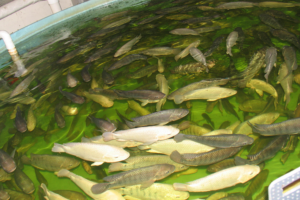
Protein levels affect growth performance, yield and composition parameters, supporting the use of fishmeal-free soybean- and corn-based diets.