Industry-academia partnership to develop algae-based supplies of omega-3 fatty acids
Edinburgh Napier University and AlgiSys join forces to develop and scale up algae-based omega-3s as sustainable feed alternatives.
Researchers looked bentonite, zeolite and illite as shrimp feed additives and found the illite-supplemented diet exhibited significantly better results.
Edinburgh Napier University and AlgiSys join forces to develop and scale up algae-based omega-3s as sustainable feed alternatives.
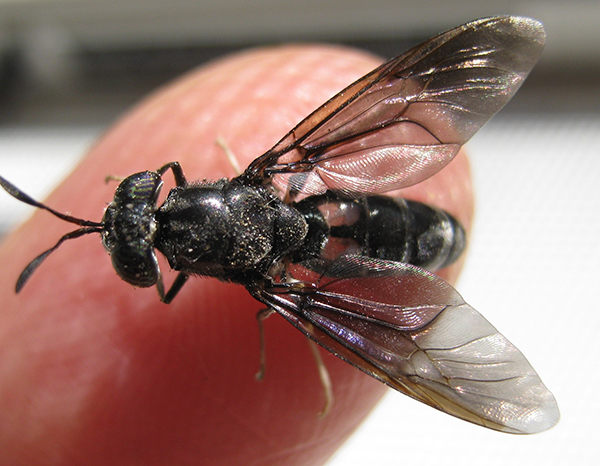
Partially defatted black soldier fly meal in aquafeeds could affect the sensory properties of raw fillets without altering the nutritional composition.
F3 Fish Farm Challenge will award $200,000 to four farms showing the most progress rearing carnivorous finfish on fish-free aquaculture feed.
Blue Food Performance’s FIFO Performance Tool standardizes fish-in:fish-out metrics to strengthen aquaculture, improve transparency and counter misinformation.
BioMar, Innovafeed and Auchan have announced the large-scale integration of insect protein into commercial shrimp feed in Ecuador.
While salmon farmers are reducing fishmeal and fish oil usage, alternative ingredients are promising but supplies need scaling up, feed experts say.
Study quantifies effects of environmental factors on the acoustic feeding signals and feeding behavior of P. vannamei using PAM technology.
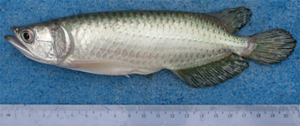
Late nymphal stages of the lobster cockroach can be live feed for better growth and feed efficiency for arowanas and possibly other species.
Rooibos tea extracts can improve tilapia growth and feed efficiency, potentially boosting farming productivity and protein production.
Scientists bioengineer oilseed crop to produce pink pigment for farmed salmon and shrimp, offering a scalable alternative to synthetics.
BioMar doubles vitamin D levels in its farmed salmon feed, boosting fish health and fillet nutritional value for consumers.
Dietary astaxanthin improves fish growth, reduces feed conversion and enhances antioxidant capacity and immune function.
Algal-derived carotenoids can enhance growth and pigmentation in shrimp, supporting the development of functional feeds and improving quality.
Study shows olive oil could be a sustainable option for aquaculture feed, with Artemia adapting its fatty acid profile to plant-based oils.
A new Veramaris report signals that algae oil can be produced at scale with lower environmental impact, offering a stable alternative to fish oil.