


FAU study will test commercial viability of queen conch aquaculture

FAU launches a 12-month study to assess the commercial and environmental viability of queen conch aquaculture in The Bahamas
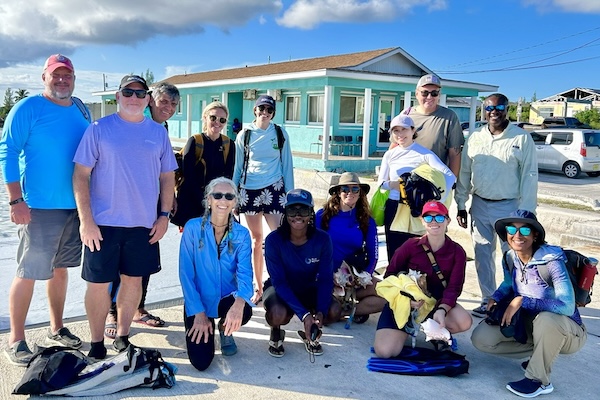
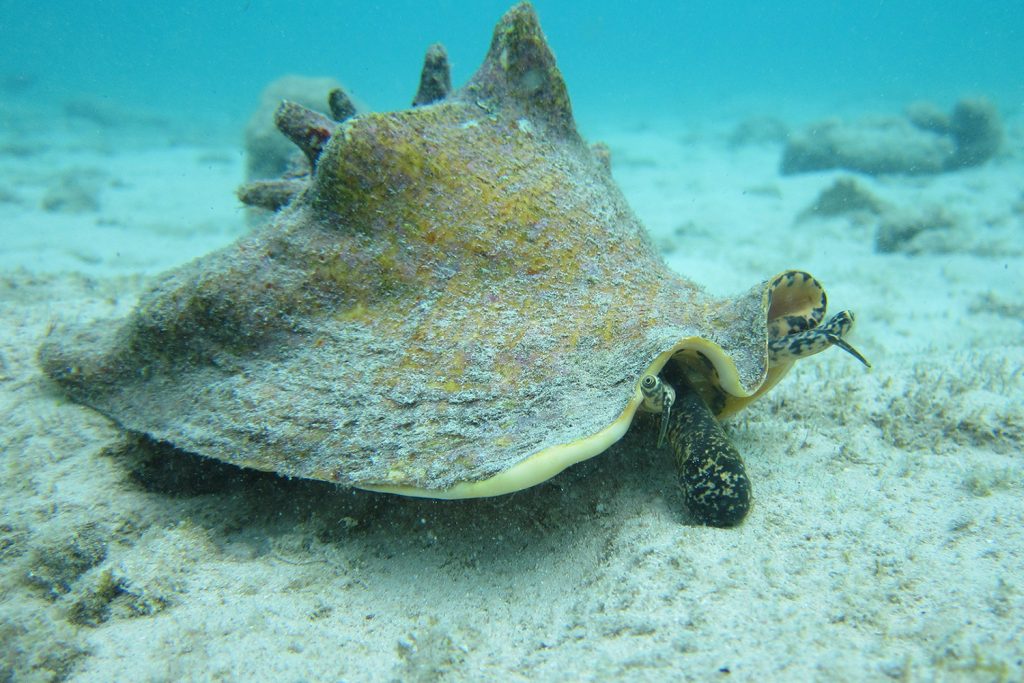
FAU’s Harbor Branch Oceanographic Institute, through its Queen Conch Lab, has launched a 12-month feasibility study to evaluate the commercial and environmental potential of queen conch aquaculture in The Bahamas and other Caribbean regions.
Funded by Blue Carbon Plus (BC+), the study will assess hatchery and grow-out systems, evaluate market demand for fresh and value-added products and examine whether scalable farming can support both animal welfare and long-term economic viability.
“At Blue Carbon Plus, we are focused on advancing solutions that align commercial success with measurable environmental benefits,” said Christine McClung, BC+ program director. “This project brings together science, industry expertise and local partnerships to explore how aquaculture can generate durable market opportunities while strengthening marine ecosystems and supporting coastal communities in The Bahamas and beyond.”
FAU’s Queen Conch Lab and ISSF’s Jelly-FAD win the 2025 Responsible Seafood Innovation Awards
![Ad for [Aquademia]](https://www.globalseafood.org/wp-content/uploads/2025/07/aquademia_web2025_1050x125.gif)
FAU has engaged the Tidepoint Group to lead the project’s market assessment and partnered with Innovasea to evaluate the development of a commercial queen conch facility. In November 2025, project partners conducted a joint site visit to Grand Bahama, meeting with local stakeholders and aligning research, market and environmental priorities at the Grand Bahama Queen Conch Mariculture Center.
“This feasibility study represents a critical step toward transforming decades of conch aquaculture research into a viable, scalable industry that benefits both people and the environment,” said Megan Davis, Ph.D., a research professor at FAU Harbor Branch and director of the Queen Conch Lab. “By integrating rigorous science with thoughtful farm design and market analysis, we’re working to ensure that queen conch aquaculture can support economic development while actively restoring the seagrass ecosystems this species depends on.”
FAU Harbor Branch’s Queen Conch Lab, which received the 2025 Responsible Seafood Innovation Award in aquaculture, has been recognized for its work in queen conch aquaculture, restoration and education. Building on its network of mobile hatchery labs deployed across the Caribbean, the study is expected to generate data to guide future investment in sustainable queen conch farming and seagrass conservation.
Now that you've reached the end of the article ...
… please consider supporting GSA’s mission to advance responsible seafood practices through education, advocacy and third-party assurances. The Advocate aims to document the evolution of responsible seafood practices and share the expansive knowledge of our vast network of contributors.
By becoming a Global Seafood Alliance member, you’re ensuring that all of the pre-competitive work we do through member benefits, resources and events can continue. Individual membership costs just $50 a year.
Not a GSA member? Join us.
Author

Related Posts
Innovation & Investment
Responsible Seafood Innovation Award finalist: How FAU’s mobile hatcheries could save the Caribbean queen conch – one trailer at a time
FAU’s mobile hatcheries help restore queen conch, protect Caribbean ecosystems and support local communities through sustainable aquaculture.
Responsibility
Bahamas aquaculture project to restore queen conch and support sustainable fisheries
New Bahamas project to restore queen conch will grow 2,000 juveniles yearly and train locals in sustainable fishing and conservation.
Intelligence
Want to learn how to grow queen conch in the Caribbean? Start online
A free online training program, eConch, helps Caribbean communities learn to conserve and culture the endangered queen conch.
Responsibility
Aquaculture aids the restoration of iconic Caribbean shellfish queen conch
Dr. Megan Davis has written the book on culturing queen conch and will form a course to teach responsible practices to Caribbean communities.