


Warming and crowding starved Bering Sea snow crabs, hindering recovery amid climate change

Study findings suggest that warming and loss of sea ice will exacerbate the risk of collapse in snow crabs through energetic constraints on survival
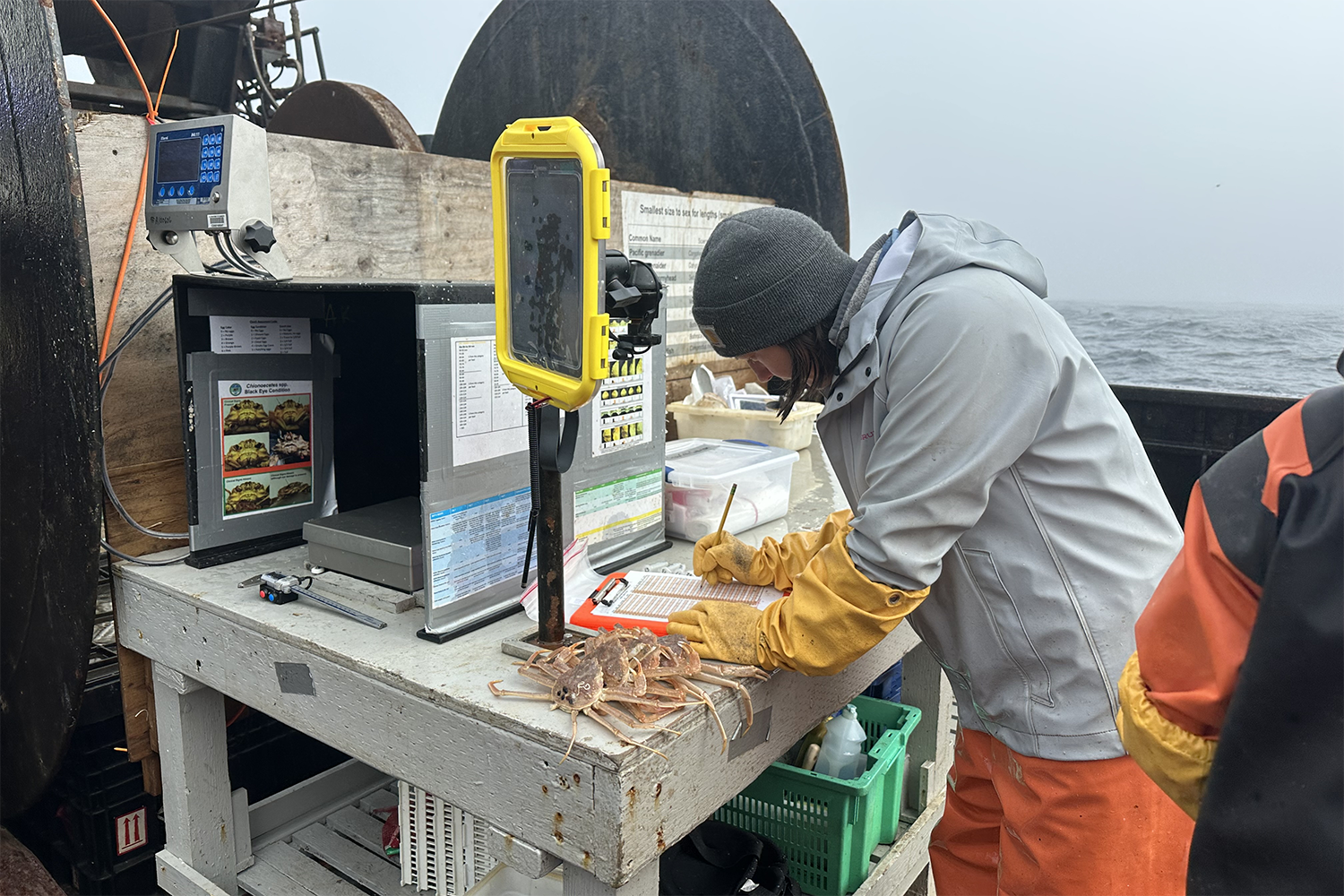
Scientists from the U.S. National Marine Fisheries Service used a comparative analysis between collapsing and non-collapsing portions of the Bering Sea snow crab population to evaluate linkages between energetic condition and population abundance during and after a recent collapse. They demonstrated that abundance declines during the collapse were associated with significant declines in energetic condition, and the negative impact of high population density on energetic reserves was intensified by warming during a marine heatwave.
The study – authored by Erin J. Fedewa and Michael A. Litzow (Alaska Fisheries Science Center, Kodiak, Alaska), and Louise A. Copeman ((Alaska Fisheries Science Center, Newport, Oregon) Alaska) – provides a detailed mechanistic explanation for one of the most dramatic marine population crashes in recent history: the abrupt collapse of eastern Bering Sea snow crab (Chionoecetes opilio) during and after the 2018–2019 marine heatwave. Findings suggest that warming and loss of sea ice will exacerbate the risk of collapse in snow crabs through energetic constraints on survival. And emphasize the validation of an indirect energetic condition metric that will facilitate continued energetics monitoring and rapid integration into management.
“We developed a practical measure of energetic condition that serves as an efficient, early-detection system to track snow crab energetic limitations and mortality risk. Our findings show that warmer conditions and high population density led to energetic limitations in juvenile snow crab – likely causing the 2018-2019 Bering Sea snow crab population collapse,” NOAA scientist Erin Fedewa, first and corresponding author of the study, told the Advocate.
This research examined the mechanisms driving the dramatic population collapse of eastern Bering Sea snow crab during the 2018–2019 marine heatwave and its subsequent recovery. The authors contextualize marine heatwaves as drivers of mass mortality, noting unclear processes for collapse and recovery. They focus on snow crabs as a cold-adapted Arctic species vulnerable to warming, building on prior work showing over 10 billion crabs lost due to starvation amid heatwaves. The methods used involve Bayesian multilevel modeling to assess interactions between warming, population density, and energetics, drawing from survey data on temperature, sea ice, and crab condition. Thus, an indirect metric for energetic condition is validated against direct measures for efficient monitoring.

Results demonstrate that sharp abundance declines correlated with depleted energetic reserves, particularly in juveniles, due to high density intensifying food competition and warming elevating metabolic rates. During the heatwave, crabs contracted into shrinking cold pools (<2 degrees-C), but optimal ≤0 degrees-C habitats were limited, leading to mass mortality. Post-collapse (2021–2024), energetic condition rebounded with strong recruitment, signaling initial recovery in the eastern Bering Sea, though full rebuilding to pre-collapse densities requires persistent cold-water access.
These findings can be interpreted as energetic limitations cascading into collapse via density-dependent stress amplified by climate change, ruling out primary roles for predation or disease. In addition, sea ice loss and borealization (shift to sub-Arctic conditions) heighten future risks. Overall, results emphasize that warming will increase collapse probabilities unless cold refugia are protected, advocating for energetic metrics in management.
The Bering Sea snow crab fishery, valued at U.S. $150–227 million annually pre-collapse (2012–2021), suffered cancellations in 2022–2023 after a >90 percent population drop, impacting Alaskan communities, processors and fishermen. The findings in the present study pinpoint energetic limitations as the core mechanism, driven by warming-density interactions, explaining the crash despite no overfishing.
Fisheries in Focus: How the mystery of the great eastern Bering Sea snow crab die-off was solved
For industry stakeholders, including NOAA Fisheries and the North Pacific Fishery Management Council, this underscores climate vulnerability: Heatwaves disrupt benthic food webs, reducing prey and reserves. The validated indirect metric enables cost-effective juvenile health monitoring, informing adaptive quotas or spatial closures during warm periods. Reported recovery insights discussed are optimistic – rapid energetic rebound supports recruitment – but warn of constrained future abundance if cold habitats diminish.
This study shows climate change’s subtle yet devastating effects on cold-water species, where energetic constraints from warming and density trigger cascading collapses. The Bering Sea event, one of the largest marine macrofauna losses, serves as a sentinel for polar fisheries facing frequent heatwaves. From a practical perspective, integrating energetics into models could stabilize harvests, mitigate economic losses from disease or heatwaves (estimated $4–6 billion globally for aquaculture, analogous here), and promote ecosystem-based management. As borealization progresses, northward shifts or reduced quotas may be needed, aiding long-term sustainability amid rising temperatures.
While initial recovery offers hope, persistent warming and sea ice decline may limit rebuilding, altering food webs and biodiversity. Broader implications include rethinking management for resilience, incorporating climate projections and energetic indicators. Future research should explore genetic adaptations or habitat restoration to counter borealization. Ultimately, the authors advocate adaptive strategies to safeguard vulnerable stocks, emphasizing that protecting cold refugia could mitigate risks in a warming ocean, with lessons for global fisheries.
“Our findings highlight important advances in the understanding of collapse and recovery dynamics, and we anticipate that our empirical approach and development of a rapid energetic condition metric will improve the ability to detect impending population collapses,” concluded the authors.
Now that you've reached the end of the article ...
… please consider supporting GSA’s mission to advance responsible seafood practices through education, advocacy and third-party assurances. The Advocate aims to document the evolution of responsible seafood practices and share the expansive knowledge of our vast network of contributors.
By becoming a Global Seafood Alliance member, you’re ensuring that all of the pre-competitive work we do through member benefits, resources and events can continue. Individual membership costs just $50 a year.
Not a GSA member? Join us.
Author
-

Editor Emeritus
Related Posts
Fisheries
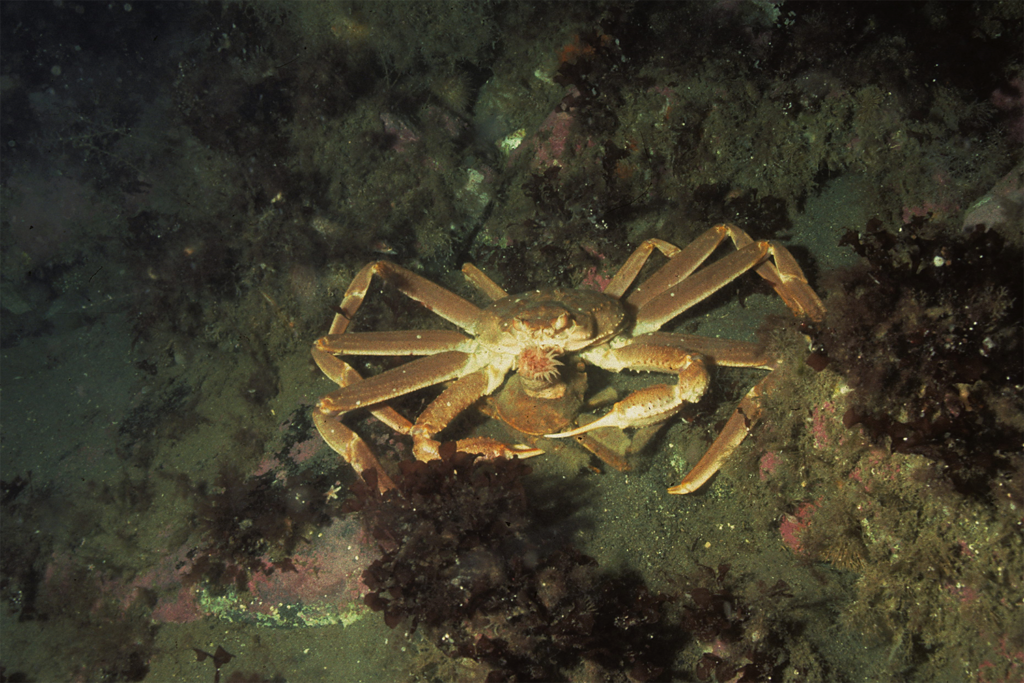
Comparing fishing catch efficiency of self-baited, ghost snow crab pots and actively baited pots in the Barents Sea commercial fishery
The impact on the marine environment caused by ghost fishing gear is not always increasing due to self-baiting and can vary during exposure.
Fisheries
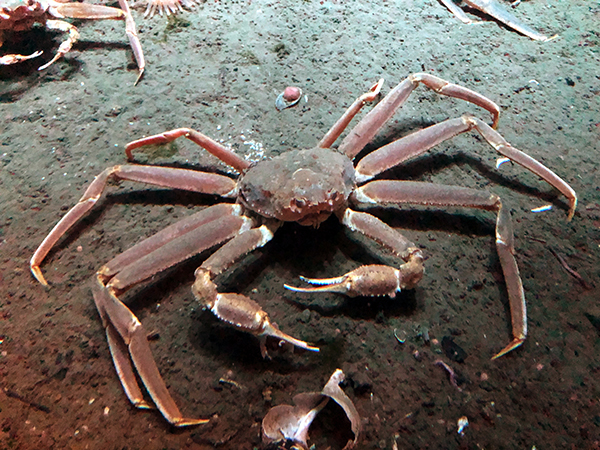
Marine byproduct-based bait performs well in Barents Sea snow crab fishery
Experimental bait using marine byproducts was tested by SINTEF researchers in a Barents Sea snow crab fishery.
Fisheries
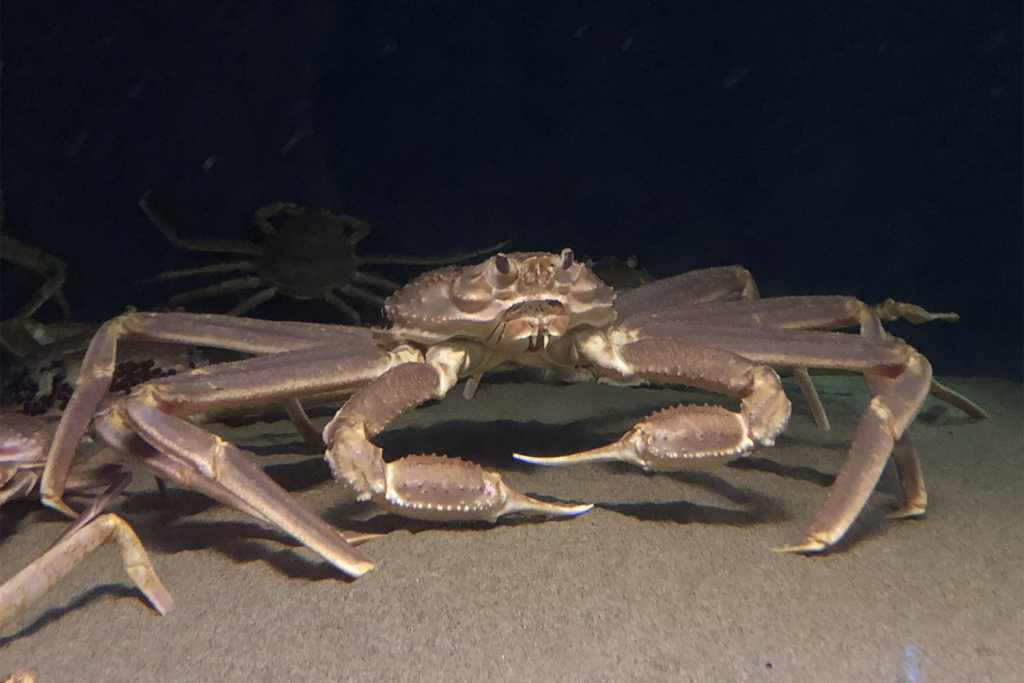
Eco-friendly extraction of valuable bio-products from snow crab processing
Green extraction methods offer alternatives to traditional chemically intensive approaches for valorizing snow crab processing discards.
Fisheries
Artificial intelligence is already helping improve fisheries, but the trick is in training the tech
Artificial intelligence is providing valuable data to fisheries, cutting costs and the need for human review. Can the technology be perfected?