Why are Europeans consuming less fish while paying more for it?

Responsible Seafood Advocate

Rising prices, changing habits and competition from cheaper, convenient proteins are reshaping how much fish Europeans eat and buy

europe
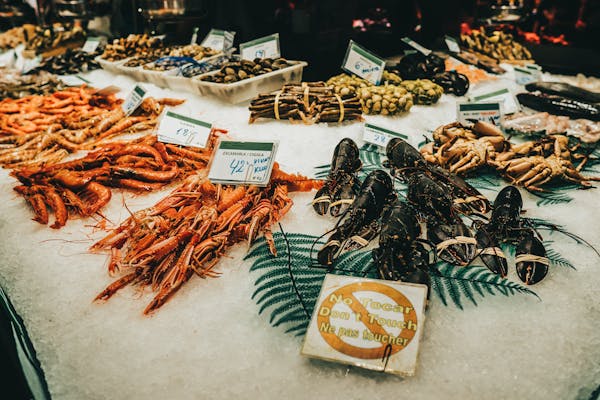
Europeans are eating less fish but paying more, as high prices, changing habits and cheaper proteins reshape the seafood market. Photo by Chait Goli.

Europe is eating less fish but paying more for it, concludes a new market report from European Market Observatory for Fisheries and Aquaculture Products (EUMOFA).

The report challenges the long-standing belief that Europe needs to keep expanding aquaculture to meet rising demand. Instead, it shows that households are buying less fish overall but paying more for what they do buy — a sign of a new market balance driven by higher prices, changing consumer habits and tighter supply.

It also indicates a broader shift in the sector, noting that Mediterranean producers are contributing to market stability and helping prevent a deeper downturn as consumption patterns evolve.

Household spending on fish in Europe increased again in 2024, driven by high prices rather than higher consumption. Fish prices in the European Union (EU) increased by about 25 percent between 2020 and 2024, contributing to a steady drop in consumption, especially of fresh fish.

In 2023, average fish consumption fell to 22.9 kilograms per person, the lowest level in a decade, including in countries with strong seafood traditions such as Spain, Italy, Portugal and Greece. Consumers continue to buy fish, but they are buying less and paying closer attention to price and convenience.

Ad for BAP

According to the report, most of the decline comes from lower consumption of wild-caught fish. Consumption of farmed fish, by contrast, has remained stable at around 2.9 million tons, helping prevent an even sharper fall in overall seafood consumption.

European indoor shrimp farming – investment vacuum or viable, high-end enterprise?

Aquaculture’s role in the European market has grown mainly because other sources of fish are shrinking. The report notes that species such as gilthead sea bream, European sea bass, mussels and trout have helped cushion the overall decline in fish consumption.

Fish prices remain well above pre-crisis levels, resulting in more stable but often tighter margins. Feed, energy, labor and financing costs continue to shape production decisions.

The report also finds that higher output no longer guarantees stronger sales, as demand is increasingly influenced by product size, format and certification, with efficiency now a baseline requirement rather than a competitive advantage.

The report offers a limited explanation for the decline in fresh fish consumption, but the available evidence points to practical barriers rather than waning interest, including higher prices, less cooking at home, time constraints and stronger competition from other proteins and convenient food options.

Given these trends, the report suggests that fish consumption is unlikely to recover on its own under the current model, indicating that changes will be needed to support future demand.

Read the full report here.

Now that you've reached the end of the article ...

… please consider supporting GSA’s mission to advance responsible seafood practices through education, advocacy and third-party assurances. The Advocate aims to document the evolution of responsible seafood practices and share the expansive knowledge of our vast network of contributors.

By becoming a Global Seafood Alliance member, you’re ensuring that all of the pre-competitive work we do through member benefits, resources and events can continue. Individual membership costs just $50 a year.

Not a GSA member? Join us.

Support GSA and Become a Member