


Fishmeal and fish oil alternatives are here but a greater scale is needed for true impact

Alternative aquaculture feed ingredients like microalgae or byproducts fit the bill but lack the scale needed to reduce the industry’s dependency on marine ingredients, feed experts say
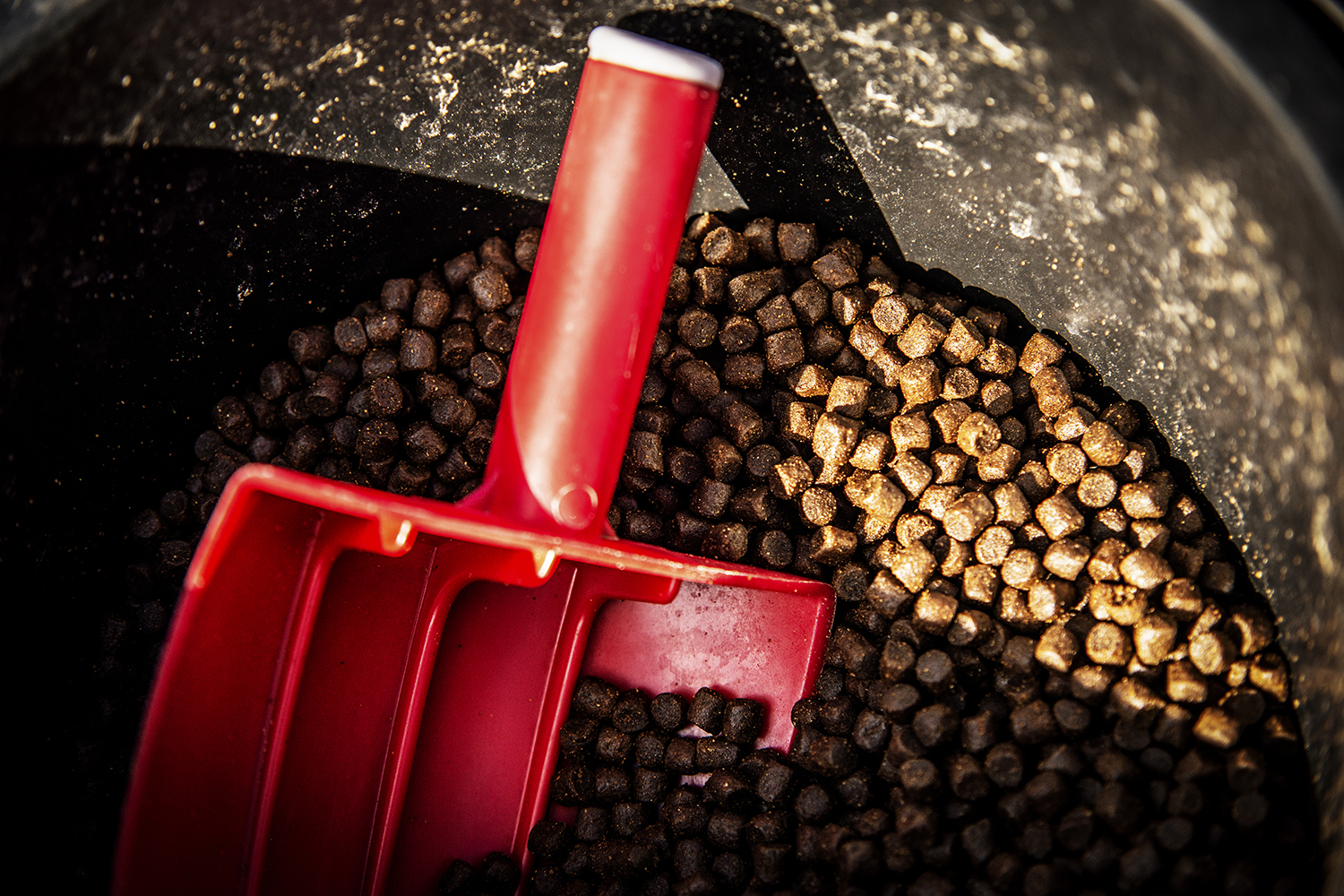
With salmon such a key part of the human diet, what the fish eat is also of significant importance. Knowing this, the salmon sector is showcasing its commitment to marine ingredient alternatives.
Salmon farming requires feed that contains the nutrients that fishmeal and fish oil have long provided. Derived from forage fish such as anchovies and sardines, marine ingredients contain nutrients like long-chain omega-3 fatty acids that are vital for the healthy growth and development of farmed salmon, as well as for immune function, cardiovascular health and fillet quality.
All to provide the same nutrients for humans. Unfortunately, many of the fisheries that provide these ingredients have been fished beyond their sustainable limits. Fishmeal and fish oil supplies can also be highly unpredictable due to climate events such as El Niño. Consequently, prices for salmon can fluctuate significantly, creating financial uncertainty for producers.
“Eighty seven percent of fishmeal and 74 percent of fish oil are consumed by the aquaculture feed industry, and the salmon sector is the largest user of both,” Assistant Professor Pallab Sarker at UC Santa Cruz told the Advocate. “This use of wild-caught fish to raise carnivorous species is concerning because of the depletion of wild fish stocks, and it impacts our own food security and that of sea birds and mammals that rely on forage fish as a food source.”

During the North Atlantic Seafood Forum (NASF) in March 2025, the salmon sector made clear its commitment to exploring alternatives to fishmeal and fish oil. One such alternative is microalgae. Sarker and his team have developed new feed formulations for rainbow trout using a marine microalgal co-product, Nannochloropsis sp. QH25. Their results show that this ingredient – a leftover biomass after oil extraction for nutraceuticals – can replace fishmeal while maintaining the same level of fish growth, nutritional value for humans and potential cost-effectiveness.
Sarker and his team also added taurine and lecithin to their feed as feeding stimulants.
“Taurine and lecithin improve palatability and increase feed intake, resulting in good digestibility and growth performance,” said Sarker. “Taurine is contained naturally in fishmeal, so when fishmeal is excluded, so too is taurine. We believe that this is why some of our early attempts to replace fishmeal and fish oil with microalgae failed.”
Sarker describes microalgae as an excellent source of proteins, lipids, essential amino acids, minerals, vitamins and omega-3s. They can be cultivated in wastewater or saline water instead of freshwater and produce more biomass per unit area than terrestrial crops. By highlighting this potential, Sarker and his team want to provide the salmon sector with a solution that doesn’t further stress ocean ecosystems and encourages the microalgae sector to lower production and processing costs while scaling up production.
Meanwhile in Scotland, biotechnology firm MiAlgae is producing marine microalgae as a sustainable alternative ingredient to fish oil for use in aquaculture feeds. The company uses byproducts from the whisky distillation industry to grow microalgae in a circular economy model.
“With approximately 90 percent of global fish stocks overexploited or fully depleted, sourcing omega-3 fatty acids from wild-caught fish is increasingly unsustainable,” said Douglas Martin, founder and CEO of MiAlgae. “Microalgae provide a direct source of omega-3s by passing the need for fish as an intermediary and reducing pressure on ocean ecosystems. They also provide the same health benefits and growth rates that are derived from fish oil.”
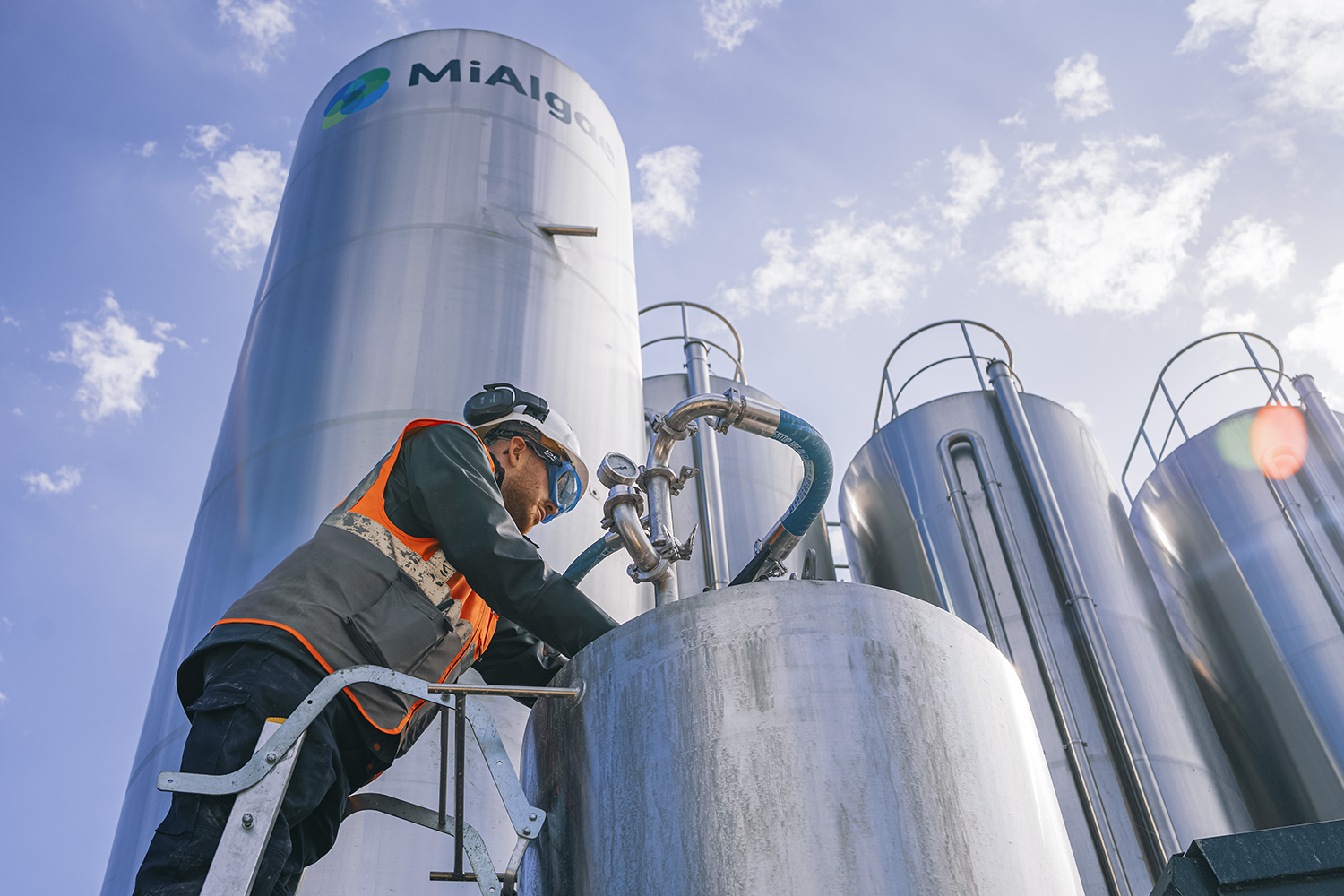
MiAlgae’s technology is designed to integrate into existing industrial infrastructures in the aquafeed manufacturing sector. The company’s product, MiAlgaeFishTM, is being used in aquaculture diets and can be incorporated into extrusion processes as either a wet paste or dried product, depending on the manufacturer’s process. It then goes to feed farmed fish by being included as an ingredient in the end product – feed pellets.
“The primary challenges for microalgae, as with all novel ingredients, are affordability and scale, i.e. the ability to reach a scale that is relevant to the industry at a level that is cost competitive in the market,” said Martin. “Our unique modular approach and use of byproducts has allowed us to reach a relevant scale and grow with the market whilst remaining competitive.”
Microalgae have the potential to reduce the impacts of the peaks and troughs of fish oil production and pricing and are not dependent on weather systems like El Niño that are potentially worsening because of climate change. However, while fish farmers and aquafeed manufacturers are increasingly eco-conscious and have ambitious published sustainability goals, Martin said that many remain price sensitive due to challenging economic conditions and are impacted by short term volatility of commodity fish oil pricing. This makes it harder to take a longer-term view regarding novel ingredients, even if these remove some financial uncertainty.
With farmed salmon production expected to grow by 40 percent by 2033, to what extent are marine ingredients likely to remain dominant, and how is this likely to change as alternatives draw attention? Dr. Brett Glencross, technical director at the Marine Ingredients Organisation (IFFO), says that fishmeal and fish oil are transitioning from simple commodities to strategic ingredients. Speaking at NASF, he said that the salmon sector will need a strategy of complementarity whereby combinations of ingredients work together, each serving a different role.
Christine Lyngsgård Larsen, chief procurement and sustainability officer at Salmon Group, a network of small and medium-sized aquaculture companies in Norway, said that fishmeal and fish oil will remain important in the salmon sector because they contain many of the nutrients required by the species. However, the emergence of plant-based proteins, insect meal and other marine ingredient alternatives is likely to continue.
Each feed ingredient has its advantages and disadvantages. Fishmeal remains a highly palatable protein source; however, securing sustainable sources is expected to become increasingly challenging in the years ahead.
She agrees with Glencross that such ingredients are likely to complement rather than rival fishmeal and fish oil. Salmon Group has included microalgal oil in its feed since 2020, an example of how such ingredients can complement – not replace – marine oils.
“This will undoubtedly allow for a more sustainable, efficient approach to salmon farming,” said Larsen. “Each feed ingredient has its advantages and disadvantages. Fishmeal remains a highly palatable protein source; however, securing sustainable sources is expected to become increasingly challenging in the years ahead. Microalgae are nutritionally attractive but expensive to cultivate and process on a large scale. Single-cell proteins are a high-protein source that can be produced in various conditions, but they are not currently being produced to the scale that we need. No one ingredient represents the perfect solution, but bringing a variety together could minimize the negative trade-offs and maximize the benefits.”
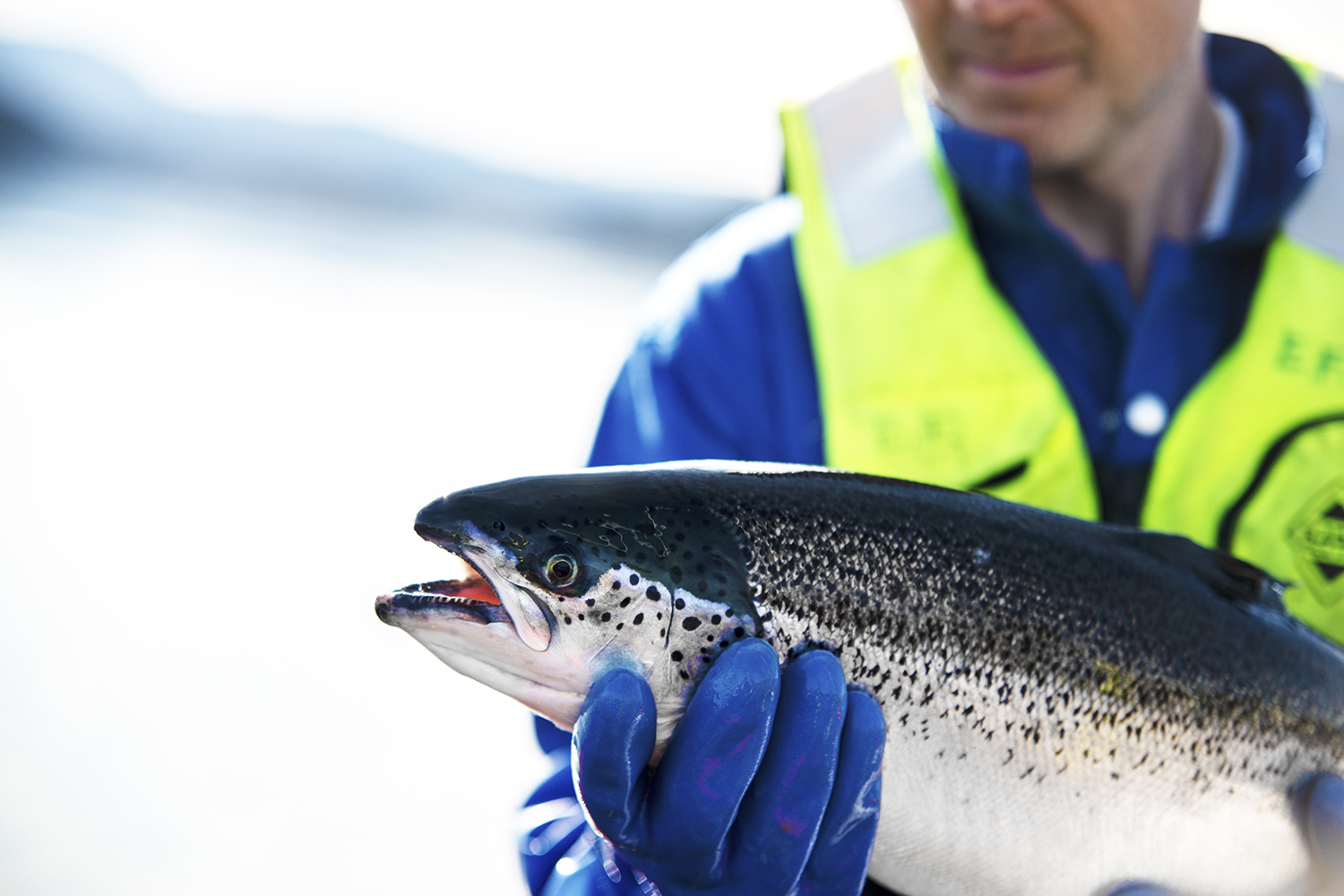
In a bid to drive novel ingredient adoption, Cermaq Norway is working with its feed suppliers to expand its basket of raw material ingredients for omega-3s and proteins. As the sources of these nutrients change over time, Cermaq is starting to replace some of its marine ingredients with alternatives such as algal oil. The aim is to reduce dependency on any single resource and enhance the resilience of the company’s feed supply.
Speaking at NASF, Kristin Hurum, managing director at Cermaq Norway, outlined criteria including performance, nutrient composition, scalability, cost competitiveness, market acceptance, food safety and traceability that are measured when assessing new raw materials. Feed impacts all the elements that contribute to better fish performance and health, she said, while highlighting Cermaq’s engagement with feed suppliers, raw material suppliers and farmers as essential to drive meaningful improvements.
“The salmon sector is reducing fishmeal and fish oil to such an extent that such efforts have become the standard,” said Larsen. “When sourced from certified fisheries, fishmeal and fish oil are valuable in terms of quality, composition and sustainability, but we are already seeing examples of both being combined with new raw materials, and this is very encouraging. Collaboration is key. All segments of the supply chain need to engage with one another on this journey.”
“We predict that over the next five years, ingredients like MiAlgae’s will continue providing an alternative to fish oil until eventually they become more mainstream, and fish oil becomes a more strategic high-value supplement,” said Martin. “Beyond seasonal fluctuations in the harvest of wild fish for fishmeal and fish oil, those fisheries are fished to capacity – there is no way to get more fish oil from the sea.”
Now that you've reached the end of the article ...
… please consider supporting GSA’s mission to advance responsible seafood practices through education, advocacy and third-party assurances. The Advocate aims to document the evolution of responsible seafood practices and share the expansive knowledge of our vast network of contributors.
By becoming a Global Seafood Alliance member, you’re ensuring that all of the pre-competitive work we do through member benefits, resources and events can continue. Individual membership costs just $50 a year.
Not a GSA member? Join us.
Author
-

Correspondent Bonnie Waycott became interested in marine life after learning to snorkel on the Sea of Japan coast near her mother’s hometown. She specializes in aquaculture and fisheries with a particular focus on Japan, and has a keen interest in Tohoku’s aquaculture recovery following the 2011 Great East Japan Earthquake and Tsunami.
Related Posts
Aquafeeds
A new nutrient for aquaculture, from microbes that consume carbon waste
Biotechnology firm NovoNutrients aims to produce a line of nutraceutical aquafeed additives as well as a bulk feed ingredient that can supplement fishmeal. Its process includes feeding carbon dioxide from industrial gas to a “microbial consortium” starring hydrogen-oxidizing bacteria.
Aquafeeds
Aquaculture Exchange: Rick Barrows
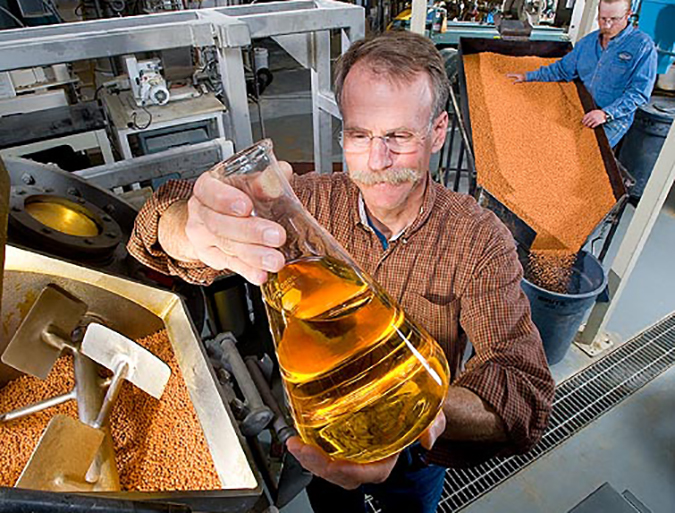
After 14 years with the USDA’s Agricultural Research Service, Rick Barrows talks about the importance of finding ‘complete’ and commercially viable alternative sources of omega-3 fatty acids and continuing innovation in the aquafeed sector.

Aquafeeds
Study: Aquaculture ‘making clear headway’ for alternative feed ingredients but scalability remains a challenge
A new IFFO review provides "sobering assessments" in the search for new protein sources for the aquaculture feed sector.
Aquafeeds
The pink powder that could revolutionize aquaculture
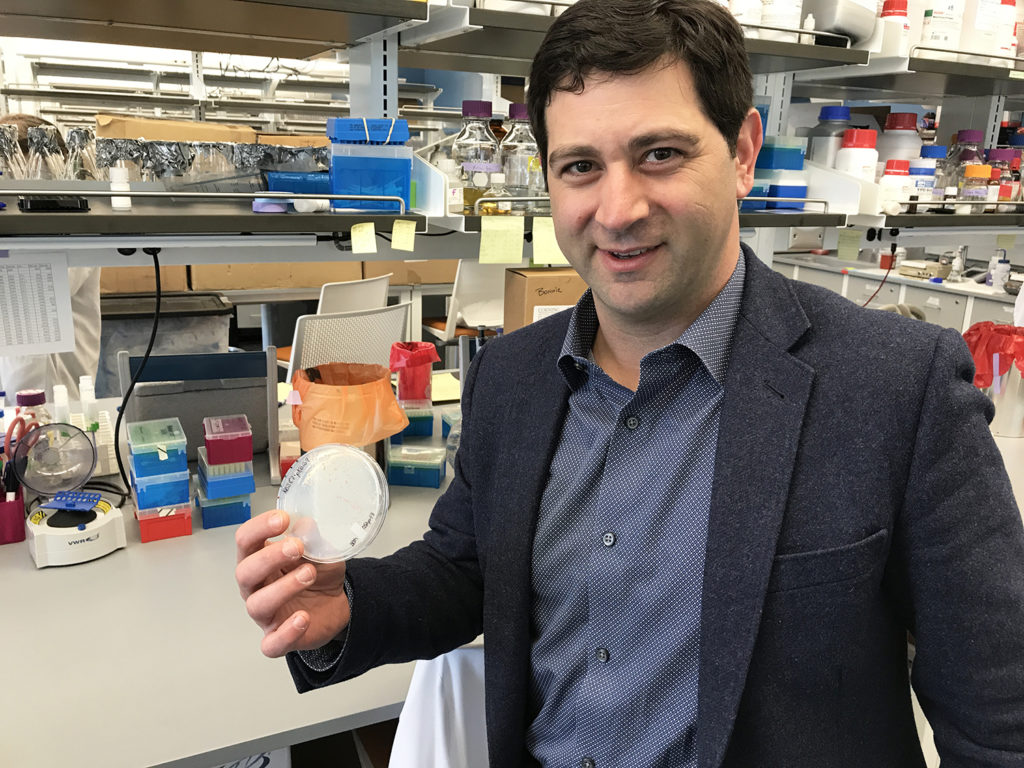
KnipBio, a Massachusetts-based biotechnology startup founded in 2013, is refining the manufacturing process for a promising aquaculture feed ingredient that may one day form the foundation of the food that farmed fish eat.