Responsibility
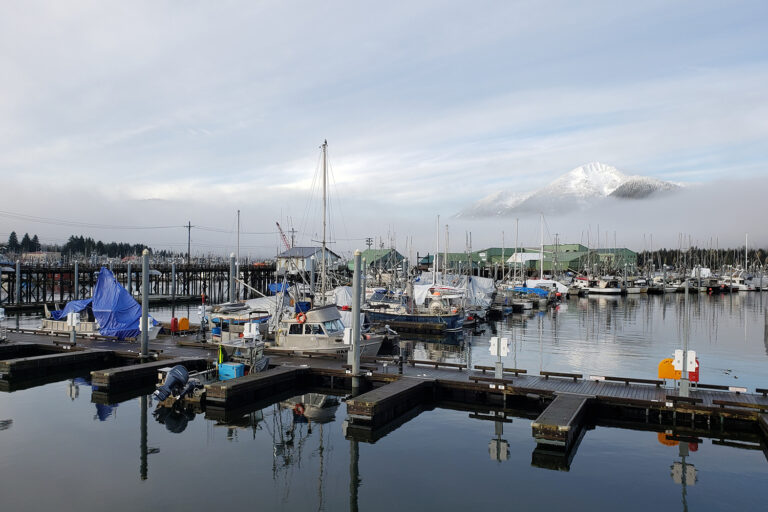
Are aquaculture and fisheries resilient enough to withstand climate change?
With most global seafood production vulnerable to the impacts of climate change, each sector faces unique adaptability obstacles and opportunities.


Responsibility
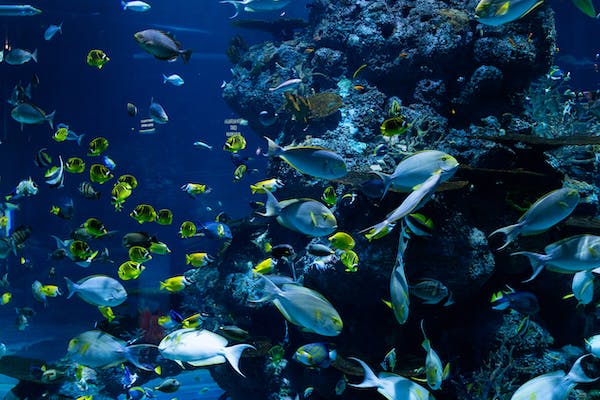
A new global model pinpoints marine regions where extreme temperatures are likely to have particularly harmful effects from climate change.
Responsibility
With most global seafood production vulnerable to the impacts of climate change, each sector faces unique adaptability obstacles and opportunities.
Fisheries
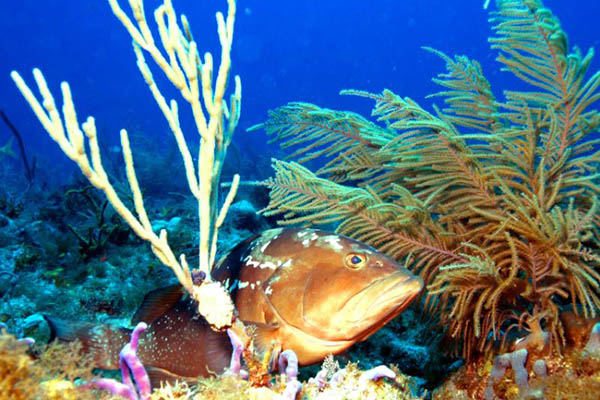
Certain fish species in the Gulf of Mexico and South Atlantic may be more vulnerable or resilient to climate change than others.
Responsibility
With ocean warming, sea creatures and commercial fishing fleets are migrating northward – potentially endangering Pacific right whales.
Fisheries
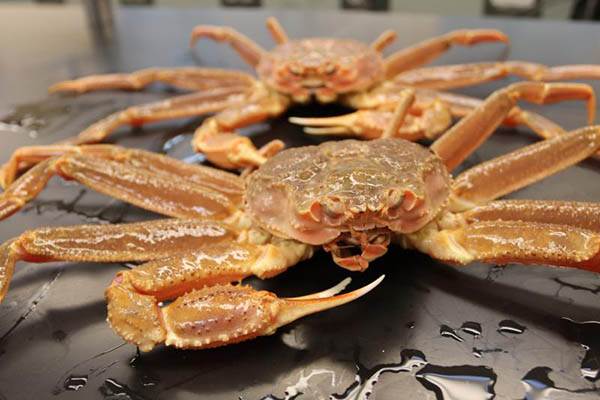
Starvation is most likely the cause of a mass mortality event during the eastern Bering Sea marine heatwave, according to NOAA scientists.
Responsibility
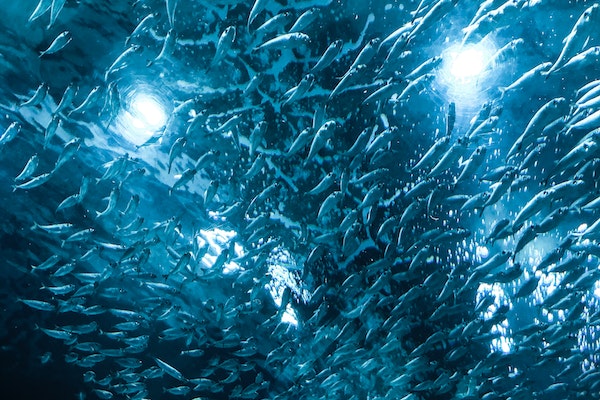
CSIRO determines that global warming above 2 degrees-C will decrease viable ocean habitats and will affect fishing grounds and productivity.
Innovation & Investment
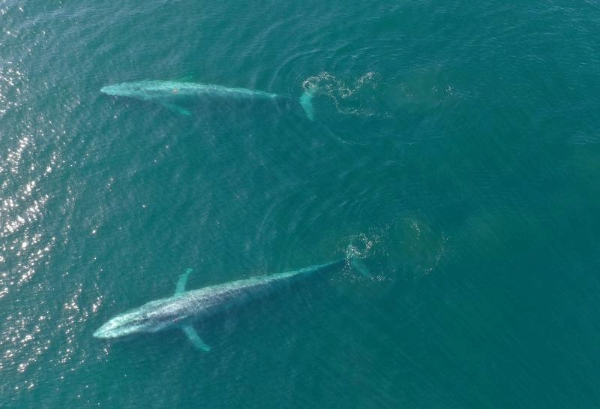
Scientists have developed an ocean management tool that provides real-time predictions of how top predators shift during marine heatwaves.
Fisheries
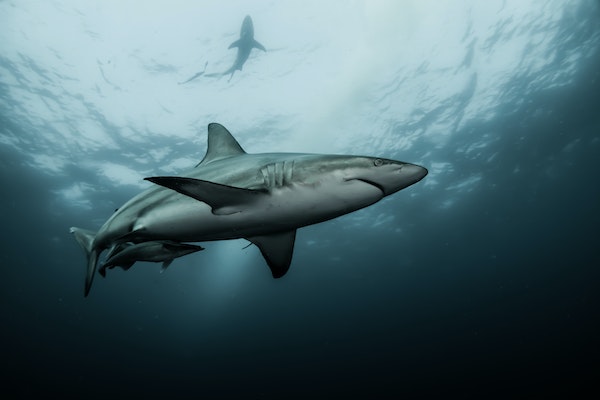
Tuna, billfishes and sharks in the Northwest Atlantic Ocean and Gulf of Mexico could lose 40 to 70 percent of their suitable habitat due to warming ocean water.
Responsibility
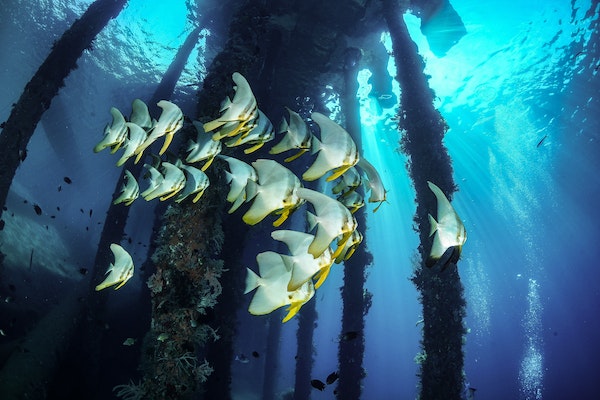
A new study finds that artificial reefs can bolster seagrass growth in the tropics and help mitigate climate change.
Fisheries
Ocean warming and increased frequency of marine heatwaves could lead to higher Chinook salmon bycatch rates, scientists say.
Responsibility
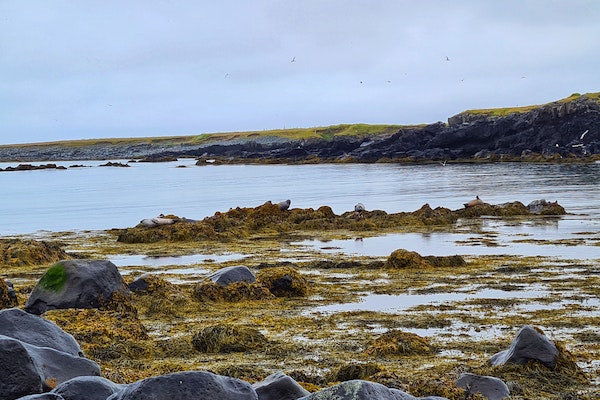
Scientists project seagrass to decline in abundance and composition from the effects of climate change, even in a “best case” scenario.
Responsibility
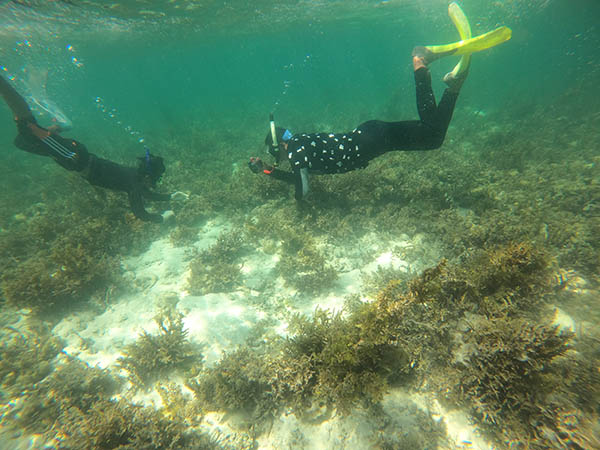
With ocean warming, scientists warn that urgent international protection measures need to be implemented to protect wild seaweed stocks.
Fisheries
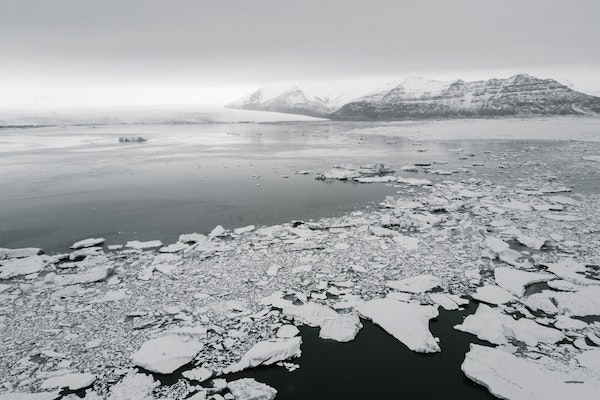
Fish populations are responding to ocean warming by shifting toward the earth’s poles or moving to deeper waters – all in a bid to stay cool.
Fisheries
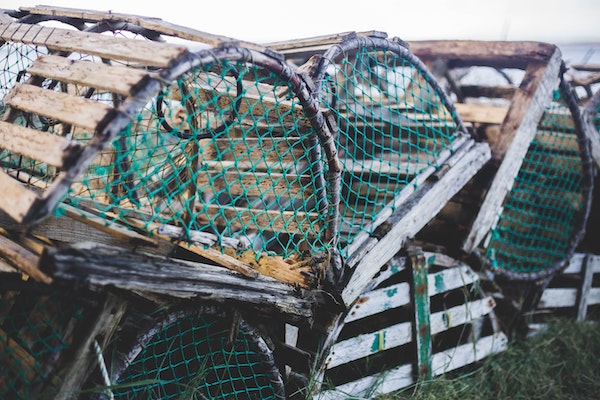
The lobster population in Canada’s Maritime region falls within the healthy zone, but scientists worry about the effects of climate change.
Fisheries
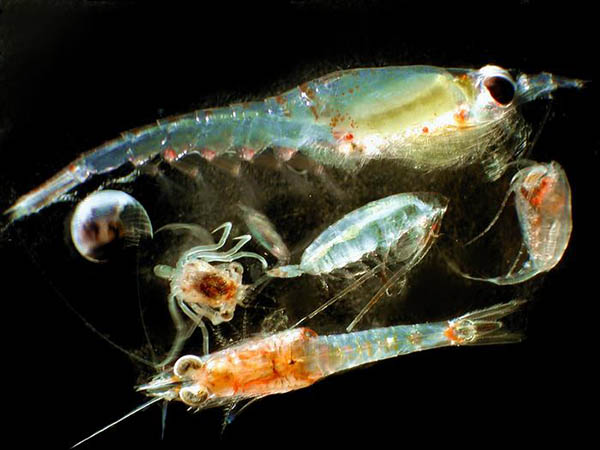
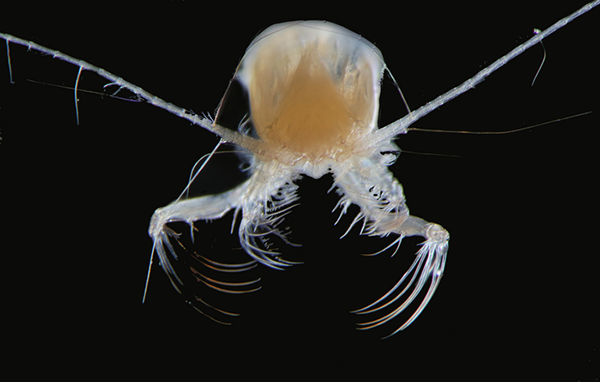
Australian team models the impact of climate change on zooplankton, which represents about 40 percent of the world’s marine biomass.
Responsibility
The Ocean Climate Action Plan is the first-ever government-wide strategy to maximize the power of the ocean to combat climate change.