
Aquafeeds
Moving toward sustainable fish feeds
The aquaculture industry has significantly reduced fishmeal levels in feeds for major farmed species. To further reduce fishmeal use, new research approaches are essential.


Aquafeeds
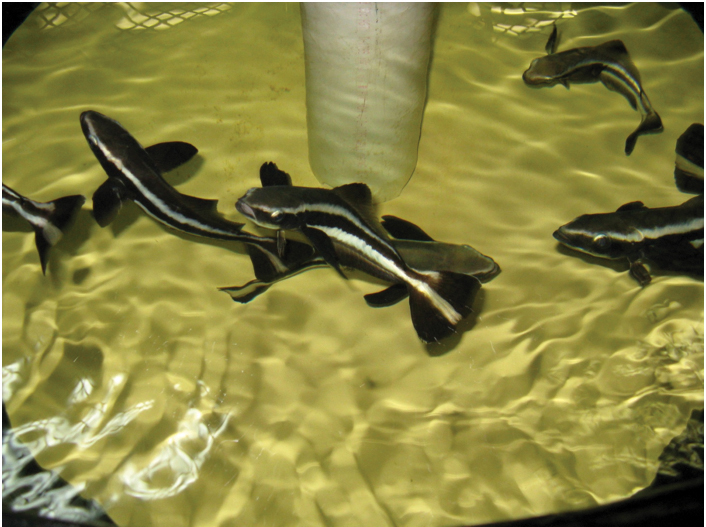
The authors evaluated graded substitution of fish oil with soybean oil in feeds for juvenile cobia and found a substantial amount of dietary fish oil can be spared without sacrificing production performance.
Aquafeeds
The aquaculture industry has significantly reduced fishmeal levels in feeds for major farmed species. To further reduce fishmeal use, new research approaches are essential.
Aquafeeds
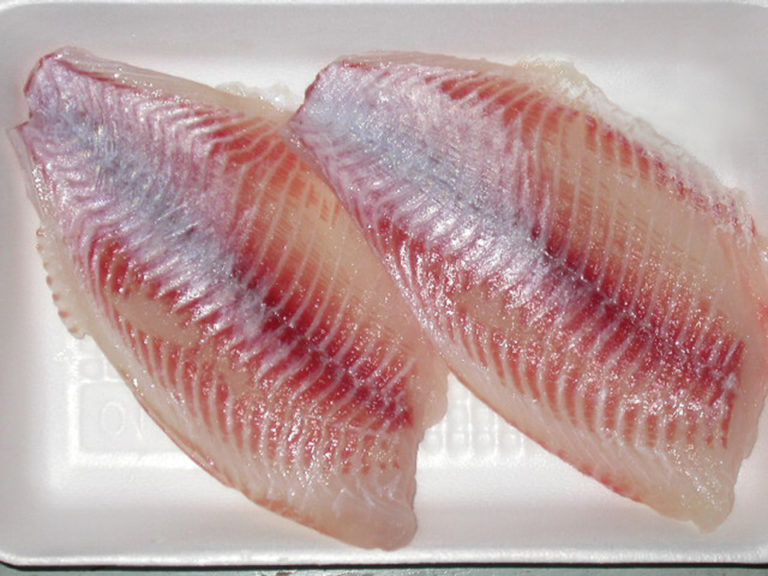
In studies, the physical and sensory qualities of fillets from tilapia fed diets with 100 percent substitution of fish oil with various palm oil fractions were generally not affected by the change of dietary oil source.

Health & Welfare
The amount of fishmeal and fish oil used in aquaculture has remained static, while output from aquaculture has increased.
Aquafeeds
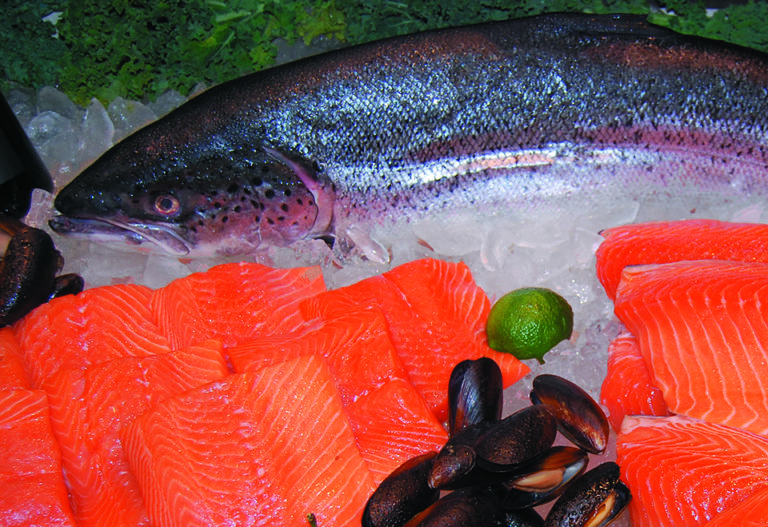
The substitution of plant proteins and oils for fishmeal and fish oil can result in minimal changes to proximate compositions in various fish. However, the muscle fatty acid composition usually reflects that of the diet.
Aquafeeds
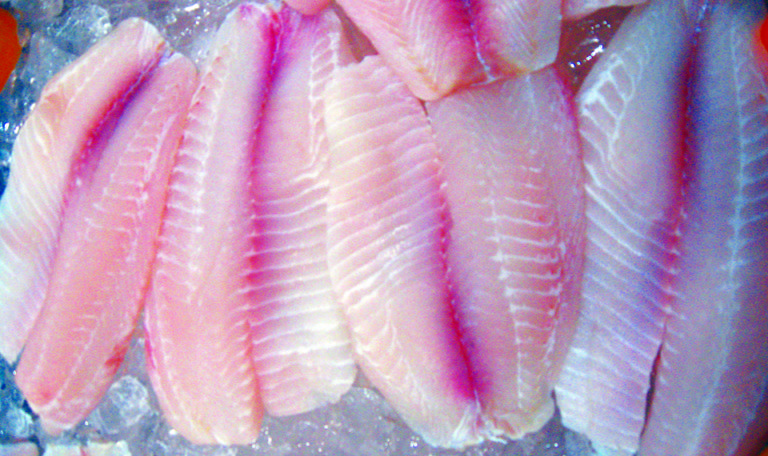
By feeding different oils at different points in a fish's life cycle, such as finishing feeds, farmers can tailor the composition of fillets to maximize value and minimize fish oil use.
Aquafeeds
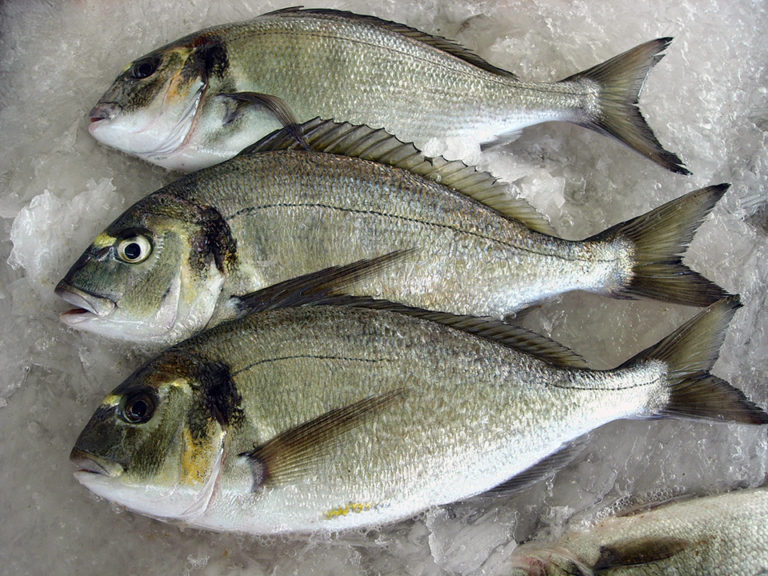
A laboratory study indicated gilthead sea bream can be grown on feeds in which fishmeal and fish oil levels are reduced from traditional values using soy products.