


Fisheries in Focus: Science shows sustainable seafood protects rainforests and biodiversity

What would happen if commercial fishing just stopped? Recent data suggests the world would be much worse without fishing
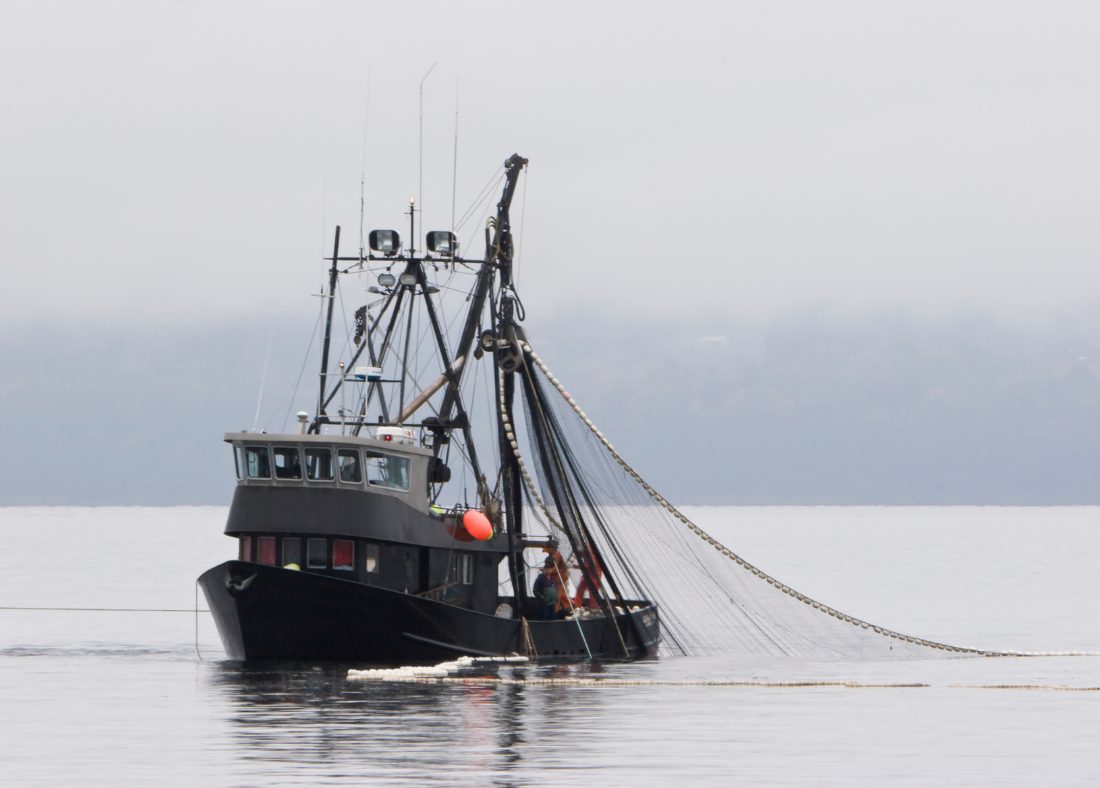
What would happen if the filmmakers behind Seaspiracy got their way and the world stopped catching fish? Or if Sea Shepard’s Paul Watson realized his goal of no more commercial fishing boats in the water? Would the planet be a utopia of abundance? The answer given by a recent publication, Leadbitter et al. 2025 (open access) in Reviews in Fisheries Science & Aquaculture is a resounding no.
The paper, titled Biodiversity Consequences of Replacing Animal Protein From Capture Fisheries With Animal Protein From Agriculture, is a look at how threatened or endangered animals both on land and in the sea would be affected by livestock protein replacing wild-caught fish protein.
The data suggests the world would be much worse without fishing: Tropical rainforests would decline, coastal areas would experience more pollution and global biodiversity would fall.
Demand for protein would shift to terrestrial sources causing prices for chicken, pork and beef to rise. Industrious farmers would try to keep up with supply and do their best to raise more livestock. But all that new livestock would need more land, both to roam around in and to grow its feed. The authors estimate the world would need roughly 5 million square kilometers to produce livestock protein equivalent to the amount of wild-caught seafood the world harvests today – an area roughly equivalent to India and Mexico put together.
![Ad for [Aquademia]](https://www.globalseafood.org/wp-content/uploads/2025/07/aquademia_web2025_1050x125.gif)
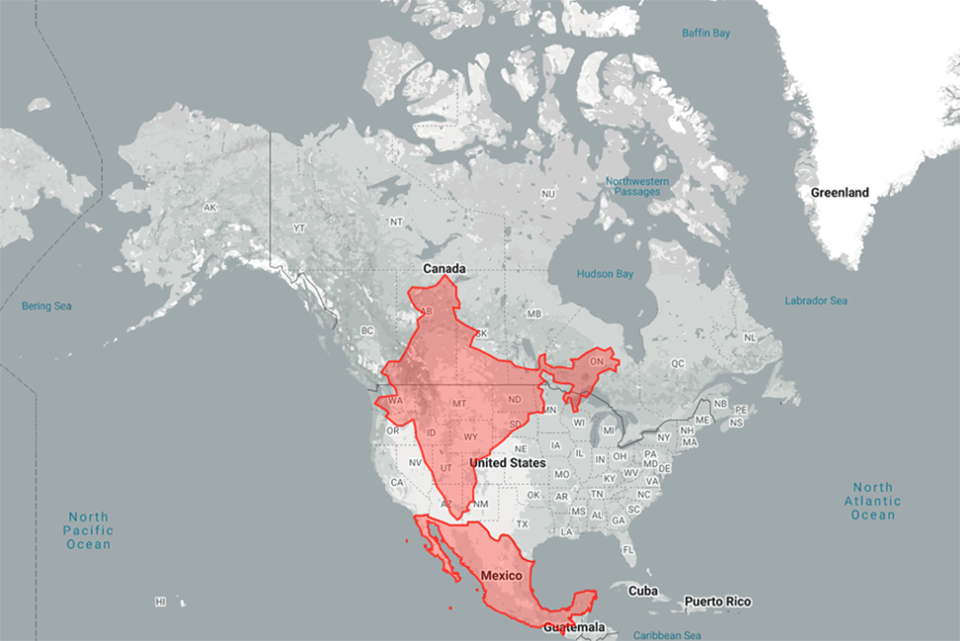
Leadbitter et al. 2025 calculates that biodiversity extinction risks are 2.6 times higher for livestock farming than wild-caught seafood. Would this be a win for conservation? Since the 1970s, when world population was half of what it is now, more than 80 percent of all land cleared for agriculture has come from tropical forests, the most biodiverse habitat on Earth. Tropical forests are still the lands most often cleared for new food production, and the roughly 5 million square kilometers needed to replace equivalent protein production to wild-caught fish is roughly the size of the remaining intact Amazon rainforest!
The fallout doesn’t stop at the forest edge, though. Once cleared, inland farmland is one of the biggest contributors to coastal water pollution via rainwater runoff.
This blog explores the comparisons and calculations made in Leadbitter et al. 2025 with the understanding that the global food system is interconnected. Food policy in the United States or Europe affects far flung places around the globe. A recent example is the ongoing U.S./China trade war involving U.S. soy farmers: China is now purchasing more soy beans from Latin America, especially Brazil; that increased demand is almost certainly leading to more rainforest destruction. A similar outcome will happen if global fisheries decline, mainly due to an increase in the need for land.
How is land used now?
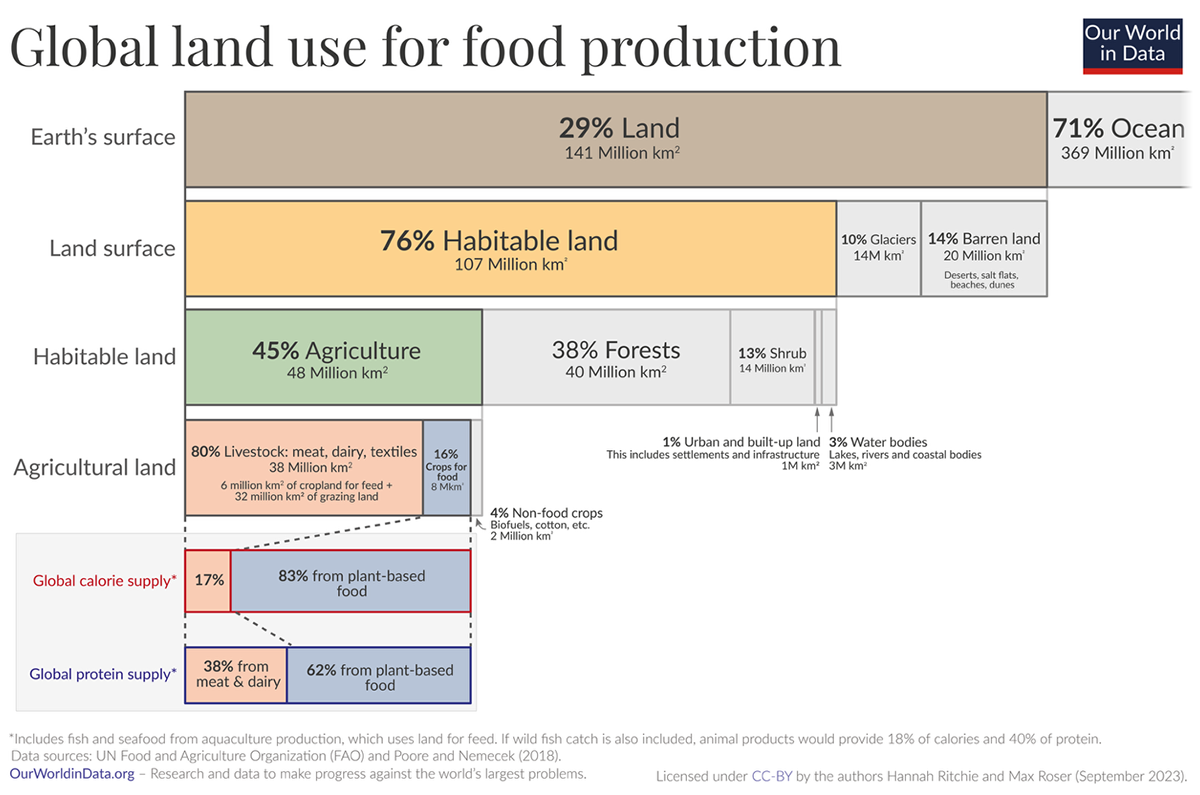
Roughly half of the world’s habitable land is devoted to agriculture, most of which is used to raise livestock and provide animal-based protein. Among terrestrial animal proteins, beef and lamb have the highest environmental impact. Table 1 (below) from Leadbitter et al. 2025 shows the impact of terrestrial protein production in terms of wild-caught fish production.
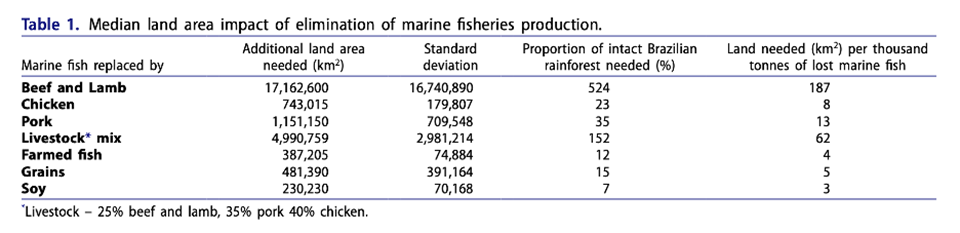
The 5-million-square-kilometer estimate comes from extrapolating the world’s current average livestock mix of 25 percent beef and lamb, 35 percent pork, and 40 percent chicken. If wild-caught fish protein were replaced with grains or soy protein, the needed land would be much smaller, but human behavior indicates there’s no chance that would happen. Multiple studies have shown that when people reduce their red or processed meat intake (generally for health reasons), they mostly substitute with other animal proteins.
How is seafood protein different than land protein?
Terrestrial food production has several kinds of environmental impacts. There are direct impacts like deforestation and carbon emissions. There are also impacts from the inputs needed to grow crops and raise livestock, e.g. water, fertilizer, herbicides and pesticides. Those inputs have their own environmental costs and so does the runoff they create – often designated as water pollution. In contrast, seafood’s environmental impacts are mostly carbon emissions from fishing vessel fuel and the actual taking of wild species.
Leadbitter et al. 2025 also point out that biodiversity risks differ significantly between ocean-based and terrestrial-based food production. When land is cleared for crop or livestock production, the entire ecosystem is affected. Primary producers, the lowest trophic level species that make up the bottom of the food pyramid and habitat structure are completely replaced by crops or grazing fields. That devastates the entire food web and little remains of the native ecosystem. A farm looks nothing like a forest.
On the other hand, most fishing targets higher trophic species in the ocean, i.e. fish, leaving the primary and secondary producers (phytoplankton and zooplankton) intact. Ecosystems in the ocean can certainly be altered by fishing, but habitat impacts are often localized/partial rather than a wholesale conversion like farmland. Even areas with intense bottom trawling, which has the highest potential for habitat impact, are mostly intact. A 2022 study found that most bottom-trawled areas are at least 80 percent intact.
Fishing has altered some trophic structures in the ocean, but overall fish biomass is roughly the same as it was before commercial fishing began. Harvesting fish directly has caused a general decline in higher-level trophic species that fisheries target, but lower-trophic species have increased as a result. Primary and secondary productivity, the biggest driver of life in the ocean, is threatened by climate change, not fishing.
Should we eat less protein in general?
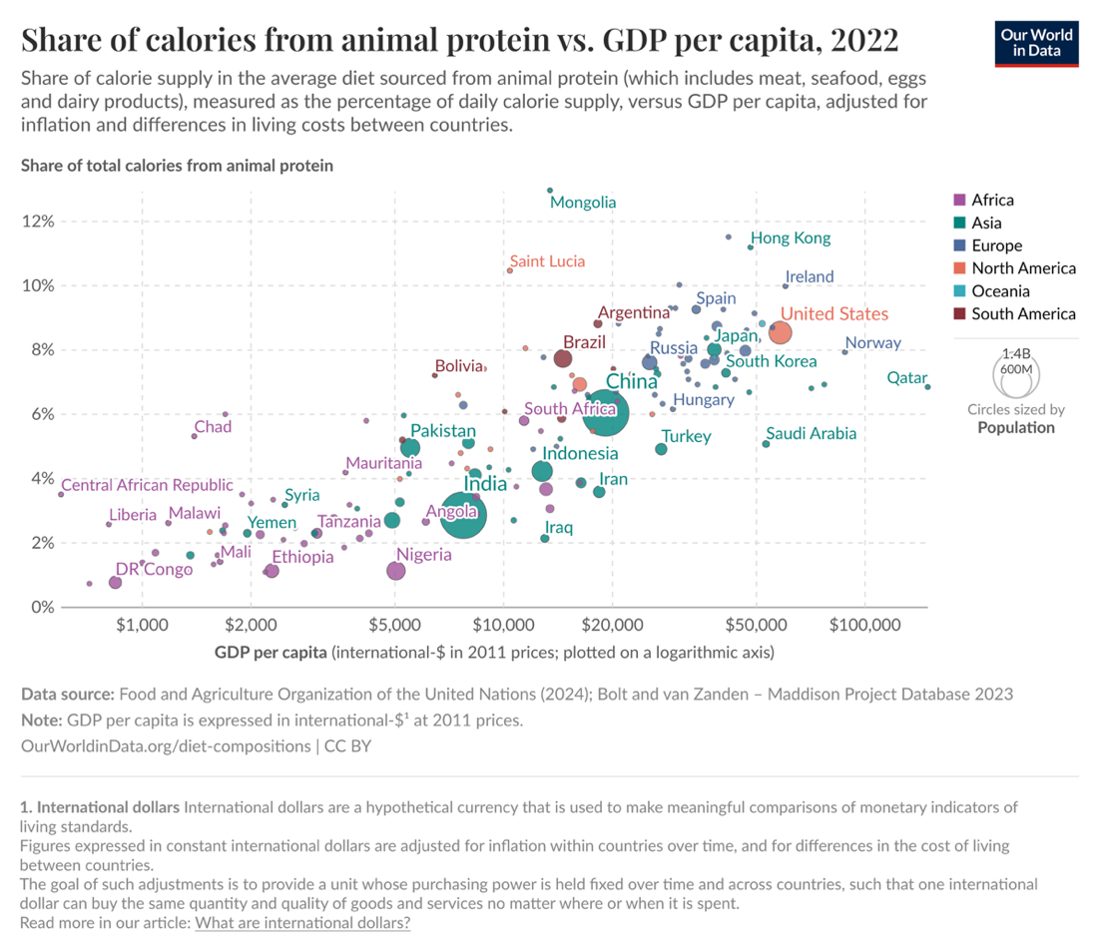
Reducing meat consumption would be good for the planet, but getting people to eat less meat is not pragmatic nor plausible. It should be a relatively accepted fact that humans enjoy eating animal protein and as they become wealthier, they spend more money eating it.
As countries become wealthier, they consume more meat. Across the globe, per capita demand for protein, both plant- and animal-based, has continued to rise and shows no signs of slowing. Individuals are eating more protein per day while the global population is growing.

Policy advocacy without pragmatism is shortsighted and makes things worse
Too often, policy advocacy has unintended consequences that could have been seen with a counterfactual analysis. Leadbitter et al. 2025 is a great example of the counterfactual for policies and advocacy to reduce fishing. If we produce less wild-caught seafood, people will get their protein from elsewhere, increasing biodiversity risk by 2.6 times.
This exact scenario has happened before: When U.S. regulations restricted domestic swordfish fishing to protect sea turtles, demand for swordfish didn’t disappear. Instead, it led to more swordfish fishing in other parts of the world with weaker sea turtle protections. More sea turtles were probably killed as a result.
Protecting 30 percent of the ocean by 2030 and banning bottom trawling make for nice headlines and advocacy campaigns, but the counterfactuals are rarely discussed. What happens if fishers lose 30 percent of their fishing grounds? Do they burn more fuel traveling further and fishing more inefficiently? How would that extra fuel-burn affect fishery production and protein availability?
Bottom trawling produces roughly 26 percent of the world’s wild-caught seafood. Where would the replacement protein come from? Using calculations from Leadbitter et al. 2025, the world would need land roughly the size of Mongolia to replace protein lost in a bottom trawl ban. Would that be better for the planet than bottom trawl fisheries existing? It’s fine if you believe so, but you can’t advocate for a bottom trawling ban without considering the counterfactual.
Fisheries in Focus: How the mystery of the great eastern Bering Sea snow crab die-off was solved
Eat a fish, save a rainforest?
Most fishing advocacy is not at the extremes of a complete ban, but any policy that reduces seafood supply must consider where the replacement protein will come from.
Fishing policy advocacy should instead focus on reducing overfishing and increasing the maximum long-term yield of fisheries. This could supply an additional 16 million metric tons of sustainable seafood – according to the calculations in Leadbitter et al. 2025, that would equal over one million square kilometers of rainforest protected.
Now that you've reached the end of the article ...
… please consider supporting GSA’s mission to advance responsible seafood practices through education, advocacy and third-party assurances. The Advocate aims to document the evolution of responsible seafood practices and share the expansive knowledge of our vast network of contributors.
By becoming a Global Seafood Alliance member, you’re ensuring that all of the pre-competitive work we do through member benefits, resources and events can continue. Individual membership costs just $50 a year.
Not a GSA member? Join us.
Author
-

Max Mossler is the managing editor of sustainablefisheries-uw.org and is an employee of the School of Aquatic and Fisheries Sciences at the University of Washington. His writing and analysis are independent of the Global Seafood Alliance and are published on the Advocate with his permission.
Related Posts
Fisheries
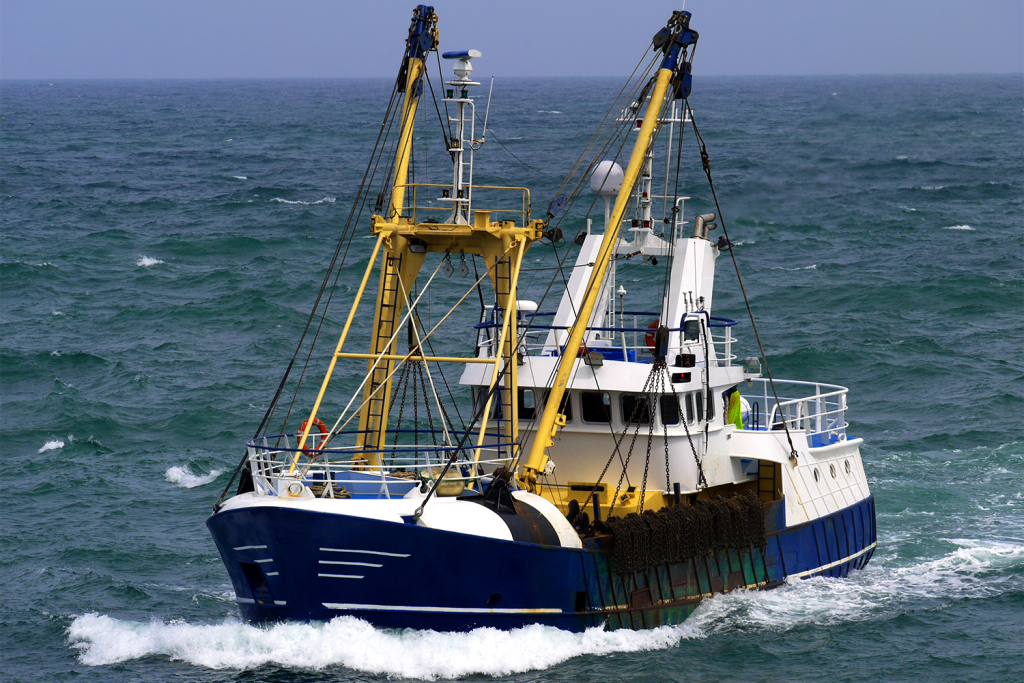
Fisheries in Focus: Busting misconceptions about bottom trawling and its environmental impacts
Fisheries researchers examine all environmental impacts of bottom-trawling and compare the fishing method to other forms of food production.
Fisheries
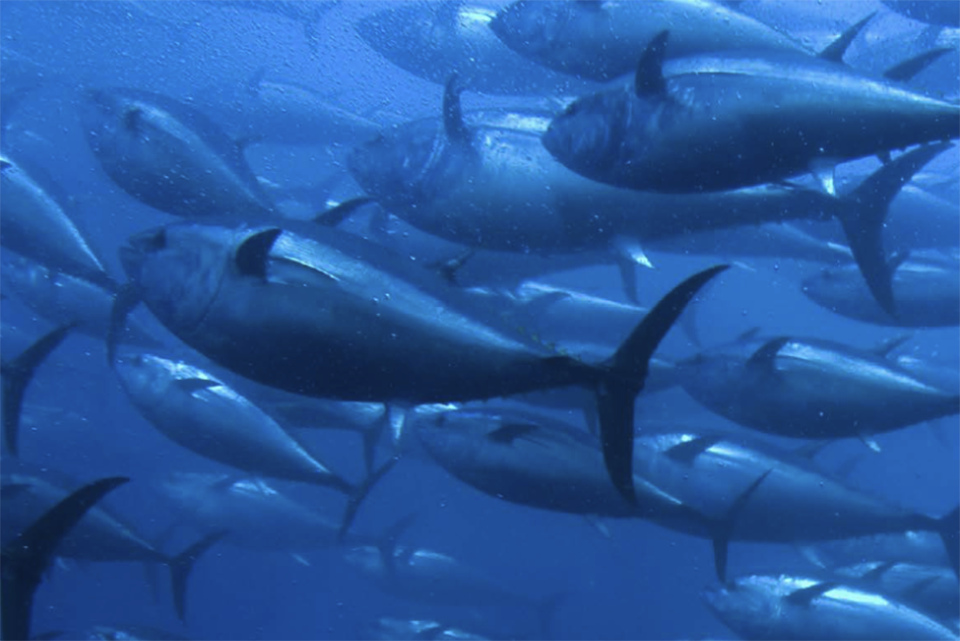
Fisheries in Focus: Recent paper in Science confirms basic fisheries science, conjures causality
Sustainable Fisheries-UW: Better fisheries management requires enforcement of already-in-place limits, not new regulations that also go unenforced.
Fisheries
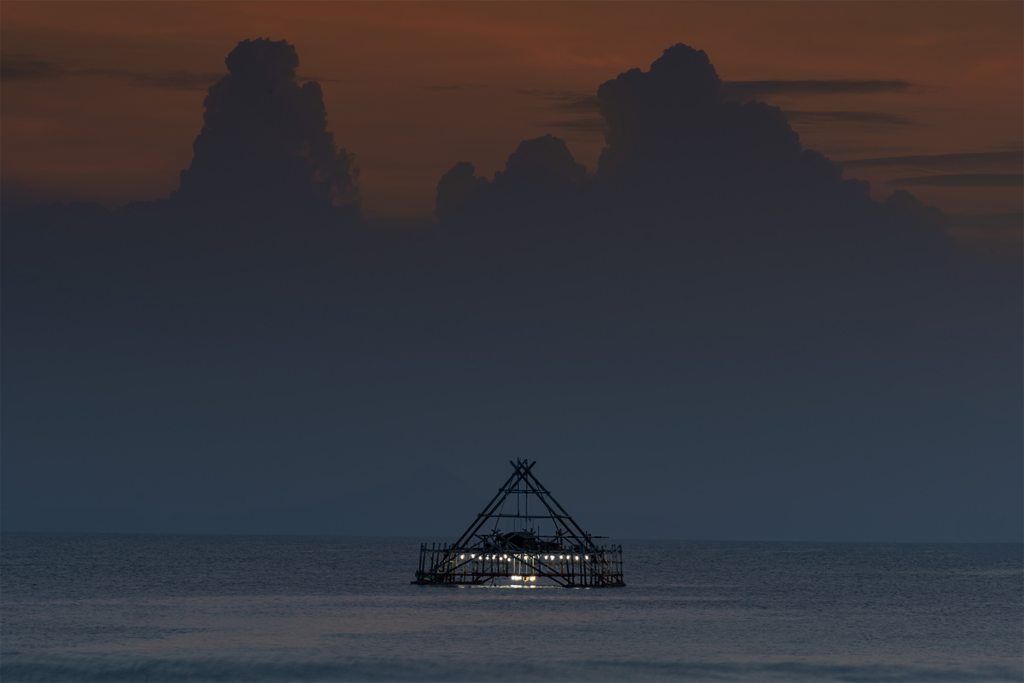
Fisheries in Focus: What are fish aggregating devices and why is there debate about banning them?
Use of fish aggregating devices increases fishing efficiency but can potentially increase bycatch and ocean pollution if FADs are lost or abandoned.
Fisheries
Fisheries in Focus: Marine protected areas don’t help tuna population, new paper shows
Using stock assessment and fishing data, researchers find that the Phoenix Islands Protected Area did not meaningfully increase the tuna population.