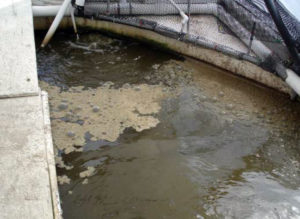
Varied microbes important to recirculating aquaculture systems
Microbes facilitate high-intensity recirculating aquaculture systems. Research indicates that the microbial community changes throughout grow-out.



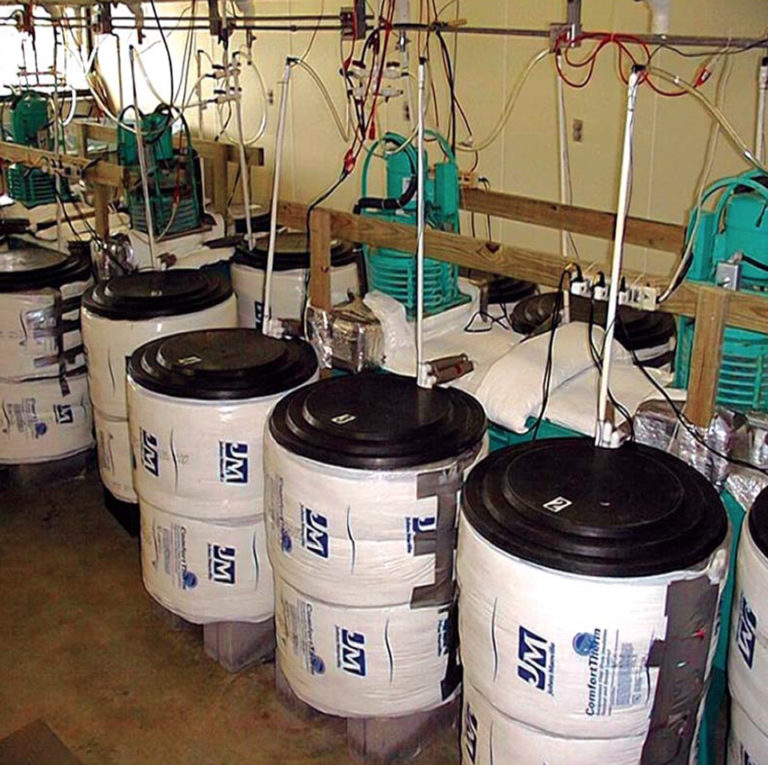
A temperature-control system with a central chiller was found to enhance chilling and research capacity over a system with multiple unit chillers because replicating experiments in a single process control system minimized variations in the temperatures and chilling rates in the individual tanks. Temperature-holding experiments found slight differences at different temperature levels.
Microbes facilitate high-intensity recirculating aquaculture systems. Research indicates that the microbial community changes throughout grow-out.
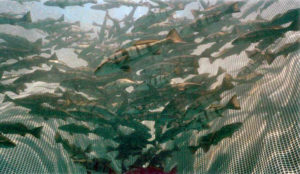
Careful assessments, modeling and integration of juvenile releases with other fisheries management measures can help restore stocks in objectively planned enhancement programs.
Space requirements for aquaculture include the culture water area and associated physical culture facilities as well as the land used to raise plant-based feed ingredients.
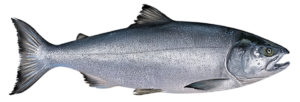
A risk assessment of PCBs and other contaminants in farmed and wild salmon was flawed and did not reflect public health community opinions.
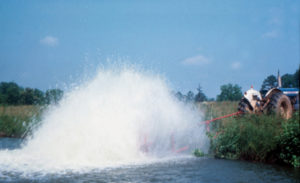
Even with dedicated aerators, aquaculture farms can experience stress and mortality in culture animals due to low dissolved oxygen concentrations in pond water. Simple tractor-powered aerators offer a quick and portable solution to low dissolved oxygen levels that provides strong emergency aeration and water movement.
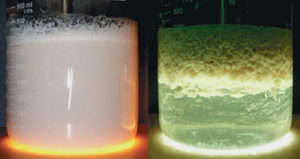
It is technologically feasible to recover functional muscle proteins and lipids from fish processing byproducts using isoelectric solubilization/precipitation.
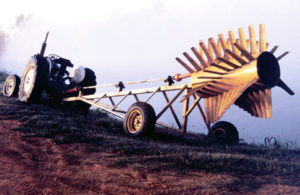
Emergency aeration with tractor-powered paddlewheels allowed U.S. catfish farmers to increase feeding and stocking rates, and double production.
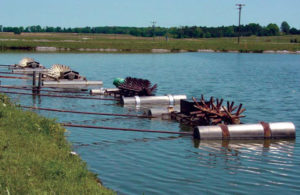
The potential yield of catfish from earthen ponds is high, but several factors limit production under commercial conditions.
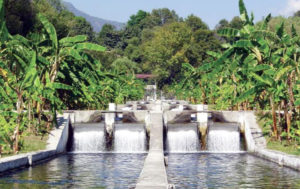
Proposed best management practices for rainbow trout production address eight areas of production covering the entire culture cycle.
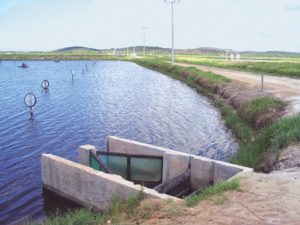
Water flow within channels can be measured using the float method or calculated using rating curves that project water velocity based on a series of finite measurements.
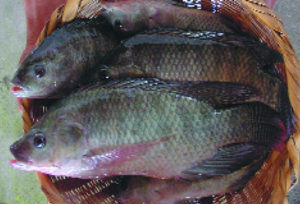
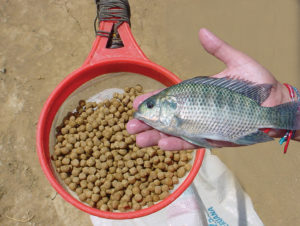
Tilapia culture is an important component of local food production in Honduras. Rising exports have raised in-country demand and production.
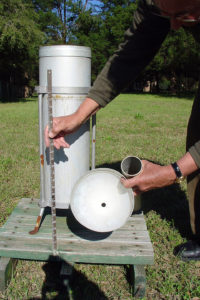
Accurate estimations of water volumes in aquaculture systems contribute to both better management of resources and cost-efficient production.
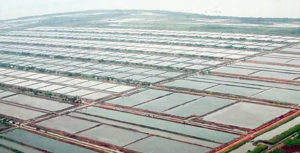
In Indonesia, shrimp farming practices vary somewhat from region to region depending on the local conditions and financial pressures.
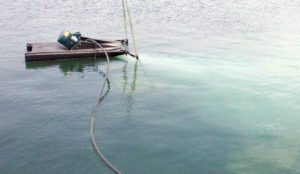
In intensive ponds and raceways, oxygen injection can manage oxygen demand and can quickly increase dissolved-oxygen levels to minimize risk of catastrophic failure.
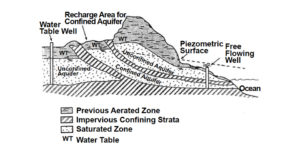
Groundwater from wells is sometimes used to supply hatcheries and ponds. The potential water supply via wells is defined largely by geology.