


AI Advancements in Aquaculture: New Software Tools Meet Data Management Challenges

Sightline Systems: AI Advancements in aquaculture are arising as producers seek solutions to optimize efficiency, reduce costs and address sustainability concerns
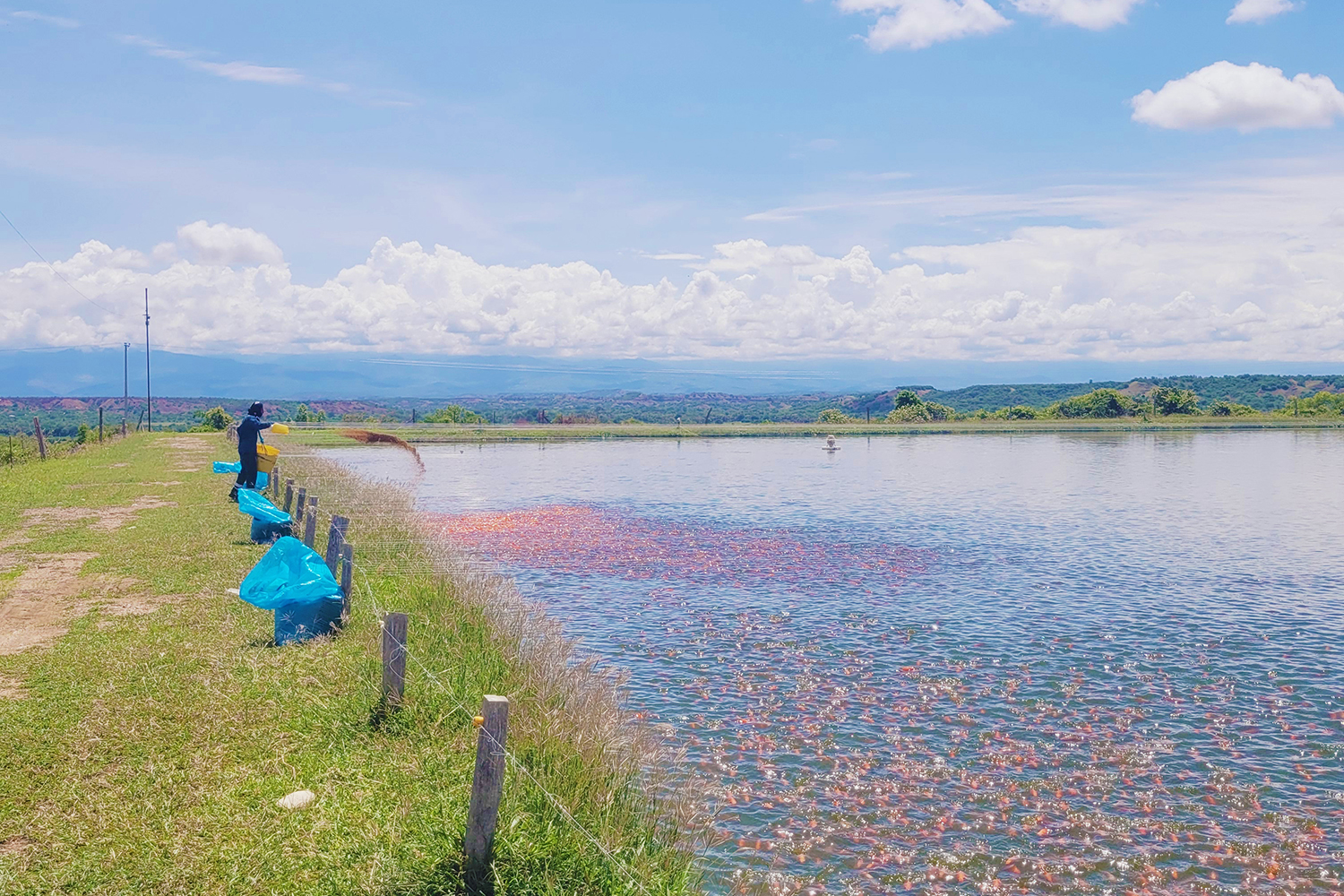
The aquaculture industry is embracing data-driven management as producers seek solutions to optimize efficiency, reduce costs and address sustainability concerns. Since its inception, the world of aquaculture has been continually evolving and adapting to current needs and available technologies.
With the booming demand for artificial intelligence technology, AI advancements in aquaculture have become more relevant than ever before. It is due to these factors that we see a rise in aquaculture management apps, such as Sightline Systems, which recently announced AQUA Sightline 2.0 to represent the latest wave of artificial intelligence applications designed specifically for fish farming operations.
Technology adoption accelerates with AI advancements in aquaculture
Aquaculture technology adoption has accelerated significantly over the past five years as the industry faces multiple challenges. Rising feed costs, climate change impacts, labor shortages and increased regulatory requirements have pushed producers toward more sophisticated management tools. According to GSA reports, the impact that aquaculture can have on the environment is regularly questioned, adding to the mix of challenges. The new 10-year NOAA Sea Grant Aquaculture Road Map instituted for the United States is just another example of the constant evolution of this world.
Despite the changing landscape, the foundational roots of aquaculture will remain constant. As we look forward to a thriving, inclusive aquaculture community where science, applied research and community engagement drive economic vitality, environmental sustainability and social well-being, it is important to focus on the latest technologies that can help us to reach these goals.
Clearly organized digital data through AI advancements in aquaculture can help to monitor and react to the growing concern of the aquaculture industry’s impact on the environment. An easy way to get ahead on the technological trends of our industry is to utilize advanced aquaculture data management apps, such as the AQUA Sightline app.
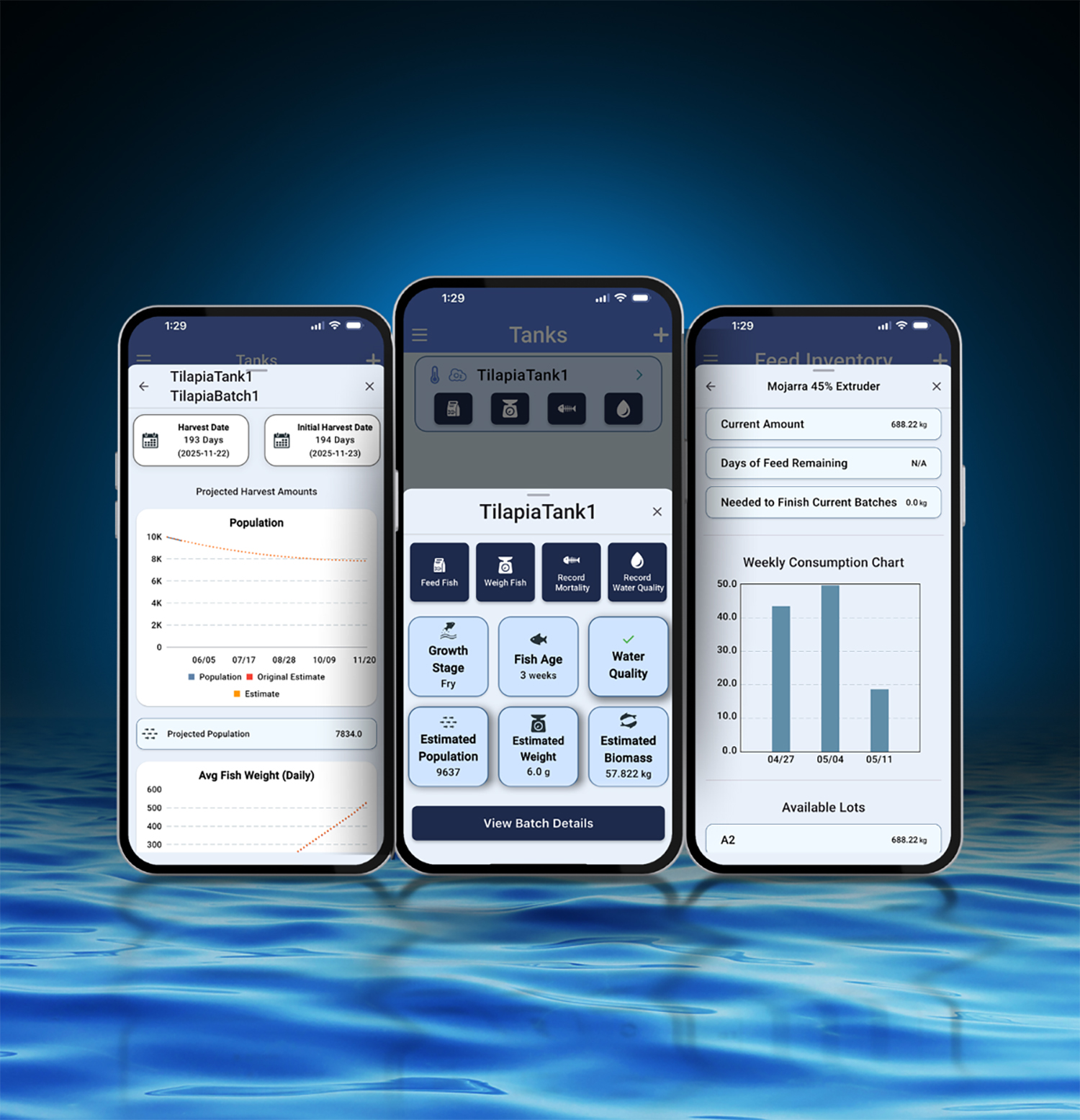
While the foundation of these tools remains the same, much like the foundation of aquaculture, they are constantly evolving to meet the needs of today’s (and tomorrow’s) aquaculturists. For example, AQUA Sightline just released their 2.0 update; adding feed inventory management, a streamlined user interface and more accurate growth models for their users.
From record keeping to predictive analytics
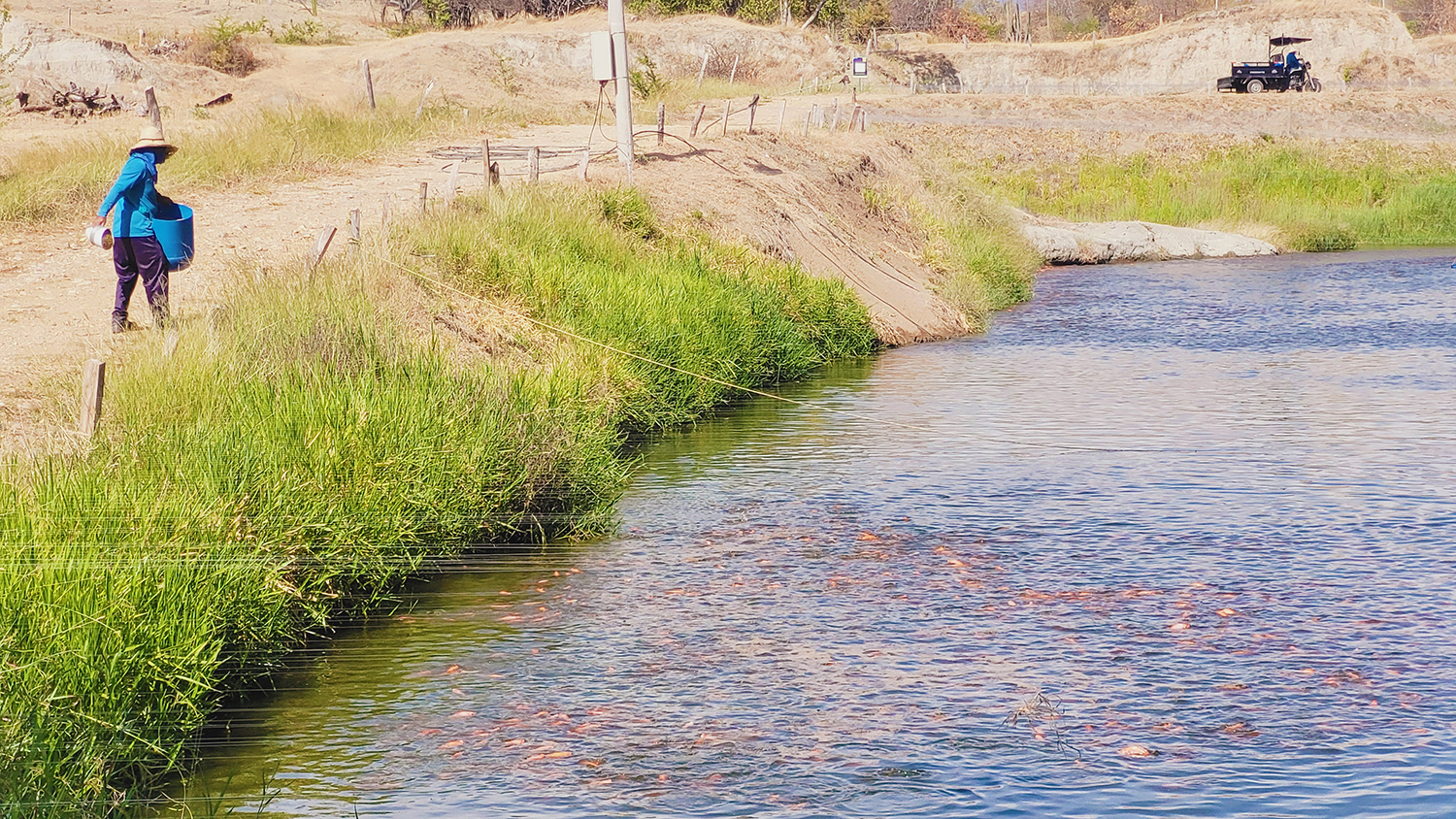
Traditional aquaculture management has relied heavily on manual record-keeping methods. Farm technicians typically walk properties several times daily, recording observations about water quality, fish behavior and feeding in notebooks or basic spreadsheets. Not only is this process more time-consuming, according to Science Direct, it is also more prone to error.
The newest generation of management systems, including AQUA Sightline 2.0, represents a transition from basic record-keeping to predictive analytics. Rather than simply cataloging past events, these systems use artificial intelligence to forecast outcomes and recommend preventative actions, saving fish farm workers time and helping to ensure each pond meets critical thresholds for harvest on time.
To accelerate AI advancements in aquaculture, Sightline Systems is offering an exclusive pilot program providing three months of free access to AQUA Sightline.
Growth modeling improvements
One of the most significant developments in aquaculture analytics has been the evolution of growth modeling. Early digital solutions typically relied on standardized linear growth curves that failed to account for unique characteristics of different facilities, species variants or local environmental conditions.
AQUA Sightline’s updated approach creates customized projections by analyzing historical performance alongside current metrics. This shift toward adaptive modeling addresses several practical challenges:
- Sampling efficiency: Physical sampling creates stress for animals and requires significant labor. Advanced modeling reduces intervention frequency while maintaining accurate growth projections.
- Production planning: More accurate growth forecasts enable better coordination with processors and buyers.
- Feed optimization: Precise growth tracking allows for more accurate feed calculations, reducing waste and improving conversion ratios.
“Every operation has unique characteristics that affect development patterns, from water chemistry to specific genetic stocks to local climate conditions,” said Tony Vaught, an industry consultant with more than 45 years of experience.
Feed management focus
With feed costs occasionally representing up to 70 percent of operational expenses in aquaculture, according to the U.S. Soybean Export Council (USSEC), enhanced feed management capabilities address a critical economic concern for producers. Advanced platforms now enable operators to track feed inputs and outputs, calculating cost-per-pound growth metrics in real-time. Advanced feed inventory solutions allow for “right on time” inventory, so that you never have too much, or too little, feed on hand to keep your harvest healthy.
Sightline Systems pilot program embodies AI advancements in aquaculture
To accelerate AI advancements in aquaculture, Sightline Systems is offering an exclusive pilot program providing three months of free access to AQUA Sightline. The program includes support from the company’s implementation team and continued live support through initial setup and integration.
Pilot program participants receive several benefits, including exclusive lifetime pricing for early adopters who continue after the trial period and access to high-precision water quality sensors for real-time monitoring with seamless integration to the platform. The sensors automatically track water quality parameters and send alerts when conditions fall outside optimal ranges.
This opportunity provides farms the chance to experience cutting-edge and easy-to-use data collection and predictive analytics to find if it is a fit for their farm. Participants can track and optimize operations from start to harvest with real-time monitoring of water quality, feed and growth.
The pilot program operates through a four-step process: producers apply online through a short application, receive access credentials and water quality sensors, begin monitoring and optimizing farm performance, then decide whether to continue with exclusive pricing after three months.
Industry impact
As global demand for seafood continues to rise and sustainability concerns intensify, technology solutions that help optimize production while minimizing environmental impact will likely play an increasingly central role in the industry’s development.
According to the studies mentioned above, as well as additional sources, the use of AI advancements in aquaculture has been shown to reduce human error in the data recording process, save time for those working in fish farms, and predict future trends more accurately than ever before. It is easy to see how this data will continue to grow, fight the challenges being faced by the aquaculture industry and become an even more solid foundation for the aquaculture industry in the years to come.
Author
-
This article was prepared for Sightline Systems by Brandon Witte, CEO