


Plant species used in constructed wetlands for the bioremediation of aquaculture wastewater

Results show the use of plants for wastewater treatment in constructed wetland systems is feasible, but application remains largely at the experimental scale despite potential
Constructed wetlands – an eco-technology that mimics the functions of natural wetlands within a controlled environment – can play a vital role in aquaculture, providing a low-cost alternative for treating aquaculture wastewater compared to other technologies. However, their study has been relatively under-explored and often limited to a few aquaculture species. Some studies have reported remarkable removal efficiencies, with ammonia nitrogen removal rates of 86–98 percent, nitrite removal rates over 99 percent, nitrate removal rates between 82 and 99 percent, total nitrogen removal rates from 95 to 98 percent, phosphate removal rates from 55 to 71.2 percent, biochemical oxygen demand reductions from 25 to 55 percent, and suspended solids (SSs) removal rates from 47 to 86 percent.
The mechanisms for removing organic and inorganic compounds, as well as nitrogen and phosphorus present in aquaculture water, are carried out by plants. Through their roots, stems, and leaves, plants are capable of directly absorbing inorganic forms of nitrogen present in the pond. In addition, the roots provide support for microbial communities and help capture suspended particles and pollutants, transporting nutrients to other parts of the plant, such as stems and leaves, to promote growth. The effectiveness of contaminant removal improves when plants have more developed root systems. Additional key processes for water purification occur within the substrate, where microorganisms play a crucial role in nitrogen removal metabolizing nutrients and transform them into less harmful compounds in a process known as microbial denitrification.
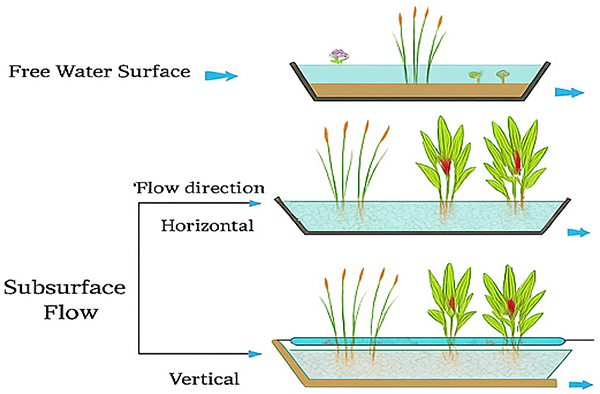
An appropriate design, vegetation selection, and substrate type are essential to improve the treatment of aquaculture wastewater and to support microbial activity within the controlled wetland environment. The appropriate selection of plant species to be used in CWs for wastewater treatment is an essential criterion. Not all species are tolerant of aquaculture wastewater conditions; some may not survive or may fail to perform their functions adequately. Consequently, the treatment efficiency of CWs systems could be directly impacted by the selected plant species.
This article – summarized from the original publication (Sandoval-Herazo, L.C. et al. 2025. Plants Used in Constructed Wetlands for Aquaculture: A Systematic Review. Sustainability 2025, 17(14), 6298) – discusses a review of the emergent and floating plant species used in constructed wetlands (CWs) for the bioremediation of aquaculture wastewater, to identify aquaculture species whose wastewater has been treated with CWs, and to explore the integration of CWs with recirculating aquaculture systems (RASs) for water reuse in food production and the efficient use of surface and groundwater resources.
![Ad for [BSP]](https://www.globalseafood.org/wp-content/uploads/2025/07/BSP_B2B_2025_1050x125.jpg)
Study setup
In this study a systematic literature review was conducted to identify and analyze the current state of knowledge regarding the use of constructed wetlands for the treatment of aquaculture wastewater, as well as the plant species employed in these systems. The review followed the PRISMA 2020 guidelines, which provide a structured and transparent framework for literature selection and analysis and selected 70 scientific articles published between 2003 and 2023.
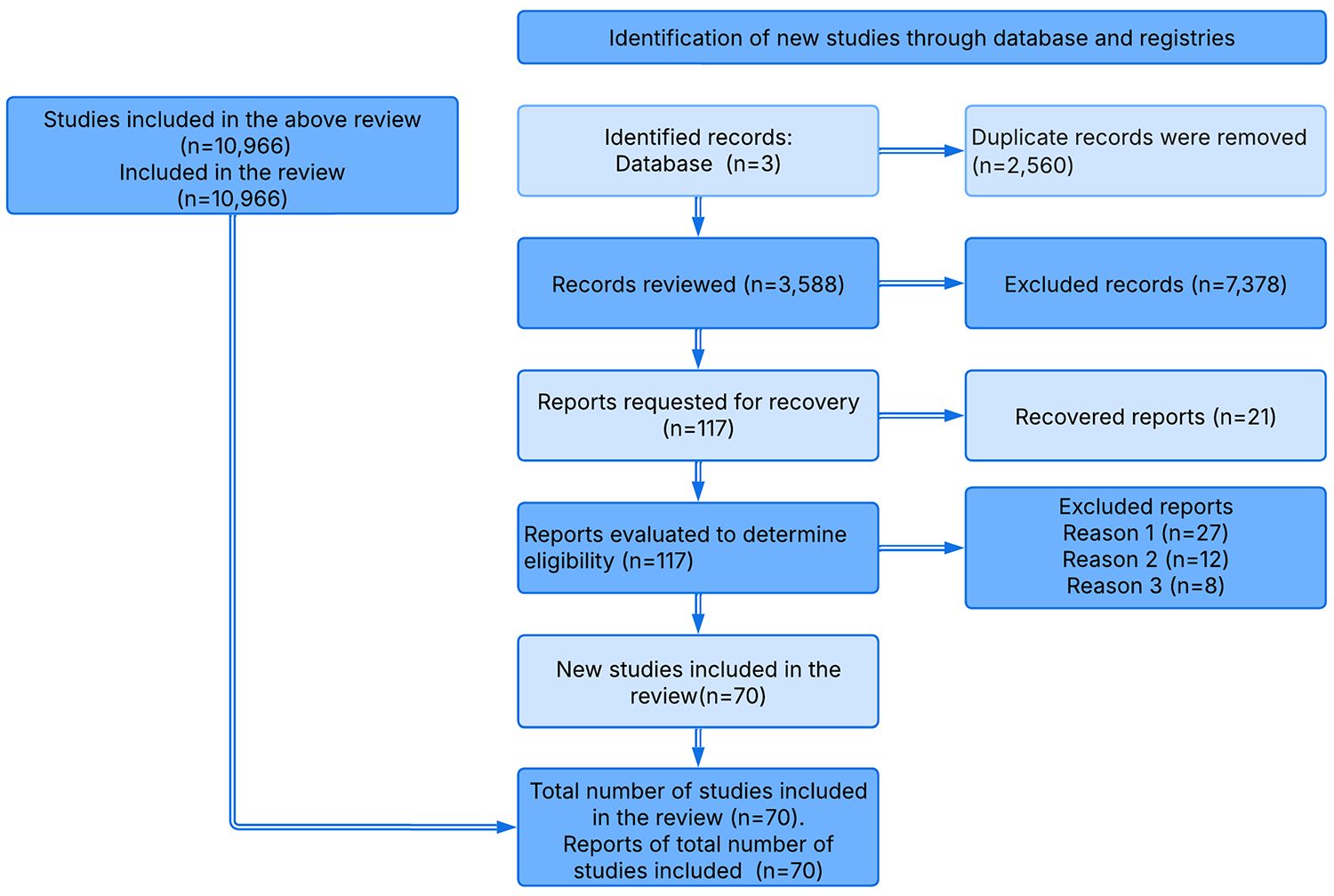
For detailed information on the literature survey; inclusion and exclusion criteria used; and data collection, review and analysis; refer to the original publication.
Results and discussion
Regarding plant species used in CWs for aquaculture wastewater treatment, the existing literature reviews that compile broad information regarding the use of plants in CW for aquaculture wastewater remediation are scarce. Initial statistical data indicate that 10.06 percent of studies do not report the type of plant species used. This is notable, as it represents an essential component of constructed wetlands studies. Our analysis on emergent and floating plants used in CWs and aquaculture revealed a total of 169 plant species across 70 studies, of which 58.97 percent were floating plants and 41 percent were emergent. Findings suggest that researchers in this field have primarily focused on other types of wastewaters, such as industrial, municipal and rural wastewater.
The common reed (Phragmites australis) was the most frequently studied plant species, representing 11.2 percent of the reviewed cases involving CWs for aquaculture wastewater treatment. This perennial species is notable for its tolerance to a wide range of environmental conditions, primarily due to its extensive rhizome system, which can reach depths of 60 cm to 1 meter.
In second place is cattails (Typha spp.), widely used in CWs and accounting for 9.47 percent of the studies analyzed. They have an extensive rhizome system, and their leaves are flattened or slightly rounded on the underside, with spongy basal portions. The broadleaf cattail (T. latifolia) is the most frequently used species in CWs due to its well-documented effectiveness in aquaculture wastewater treatment. Its adaptability to environments with a high organic matter content and the suitable depths found in CW systems support its widespread application.
The third most frequently used species was the Indian shot (Canna indica), found in 5.92 percent of the reviewed studies. It produces ornamental flowers and has applications in landscaping, wastewater clarification, medicine, and human consumption. It is considered an ornamental plant with valuable phytoremediation attributes, such as a rapid growth, a tolerance to adverse climatic conditions, a high capacity for contaminant accumulation, and an extensive fibrous root system. Additionally, this species enhances the aerobic conditions within the CW, thereby improving the treatment efficiency.
Potential benefits and challenges for microalgae in aquaculture wastewater treatment
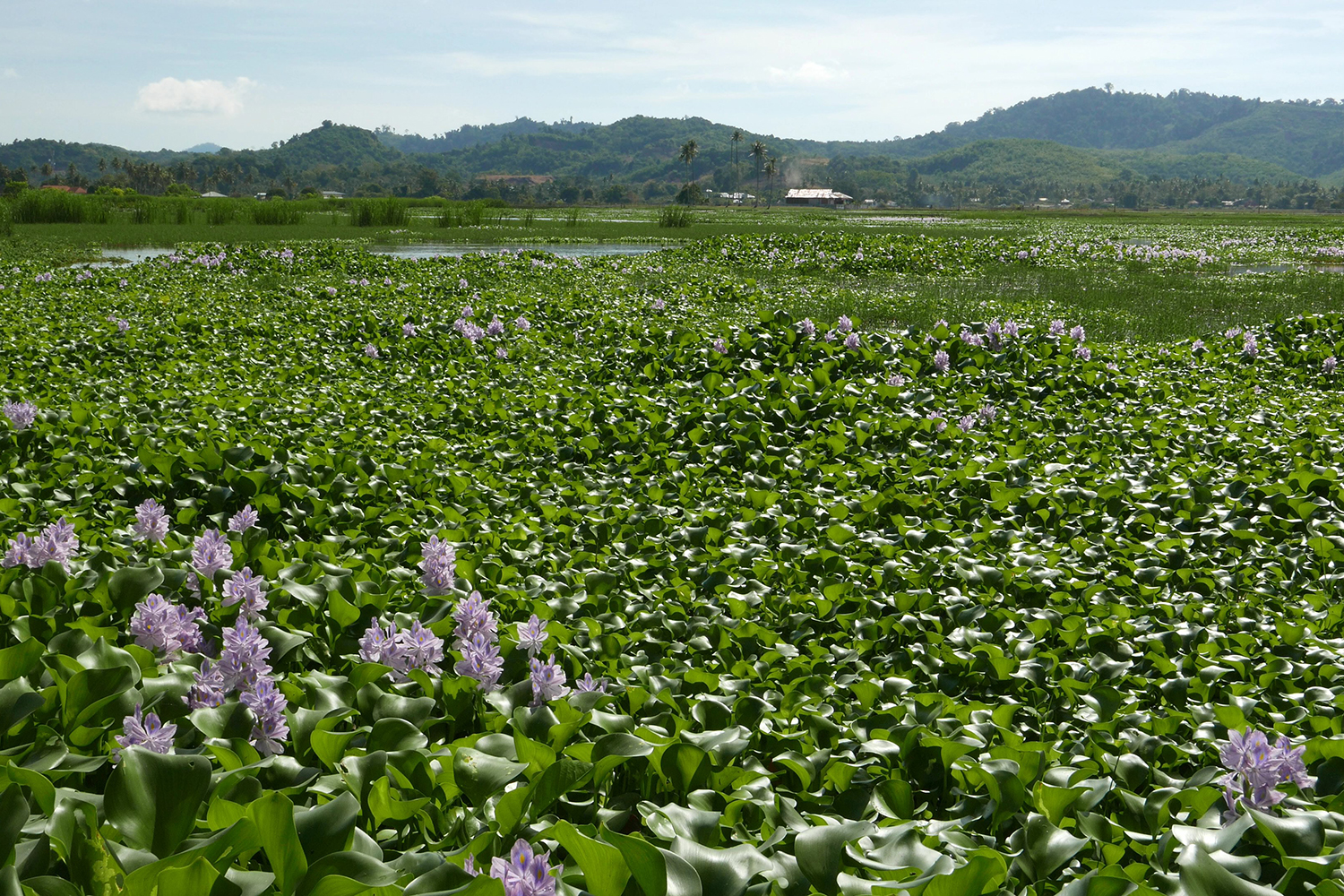
In fourth place, the common water hyacinth (Eichhornia crassipes) was utilized in 5.3 percent of the studies. This free-floating perennial aquatic plant forms dense mats on water surfaces or mud substrates. It thrives in freshwater ponds, canals, marshes and lakes and propagates mainly through vegetative reproduction, allowing it to rapidly colonize large areas; it is one of the most efficient aquatic plants for wastewater purification, as it can remove a wide range of contaminants, including heavy metals, organic substances and nutrients such as nitrate, ammonium and phosphorus. It is also effective in reducing total solids in municipal, industrial (e.g., textile, metallurgical, pharmaceutical and paper mill), domestic and sewage wastewater.
Finally, the giant reed (Arundo donax) was reported in several studies. This grass species is one of the world’s largest herbaceous plants. Its stems can reach heights of 8 to 10 meters with a diameter of 3 to 4 cm, while its roots may extend up to 5 meters deep. Its rhizome fragments maintain 100 percent viability even after prolonged submersion treatments. Furthermore, such flooding treatments have been associated with the highest biomass production in both shoots and roots, highlighting the giant reed’s exceptional tolerance to waterlogging. These characteristics make the giant reed particularly suitable for the bioremediation of wastewater.
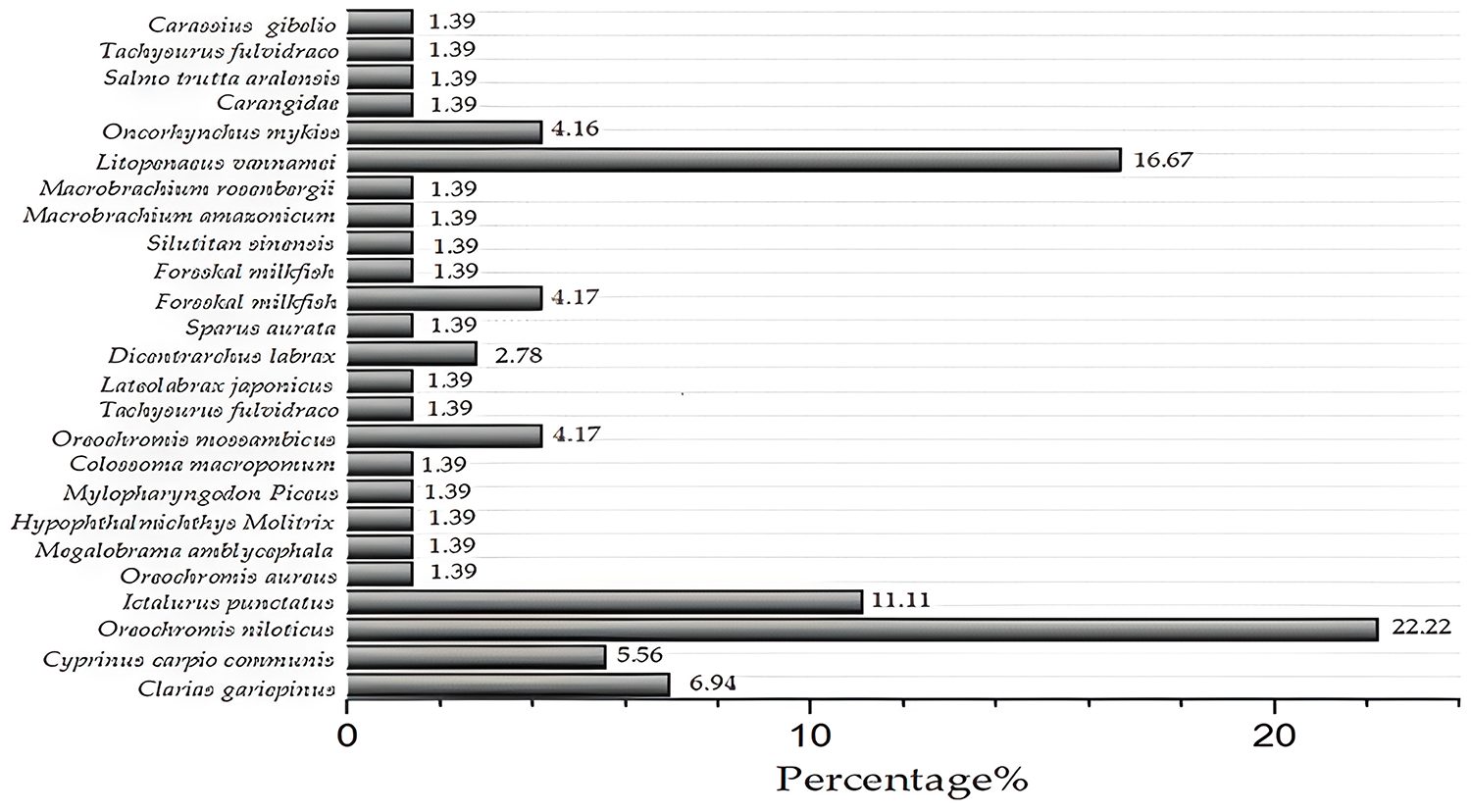
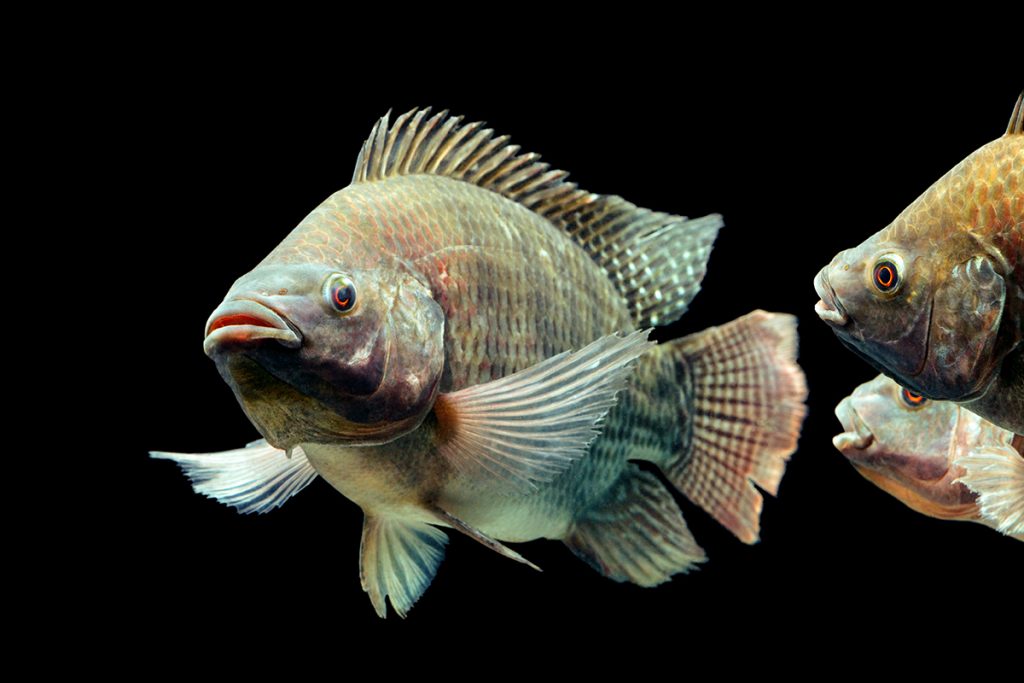
These and others out of a total of 43 plant species have been used to treat wastewater generated by the production systems of 25 aquaculture species, with Nile tilapia, Pacific white shrimp, channel catfish, yellow catfish and common carp being the most frequently reported.
This study identified research that has integrated recirculating aquaculture systems (RAS) with CWs by country. Among the studies analyzed, 40 percent reported water reuse as a key objective – an essential aspect in sustainable aquaculture. Nevertheless, a major limitation of RAS-CW integrated systems lies in the need for continuous operation. Despite some operational challenges, some case studies have successfully demonstrated the application of integrated RAS-CW systems.
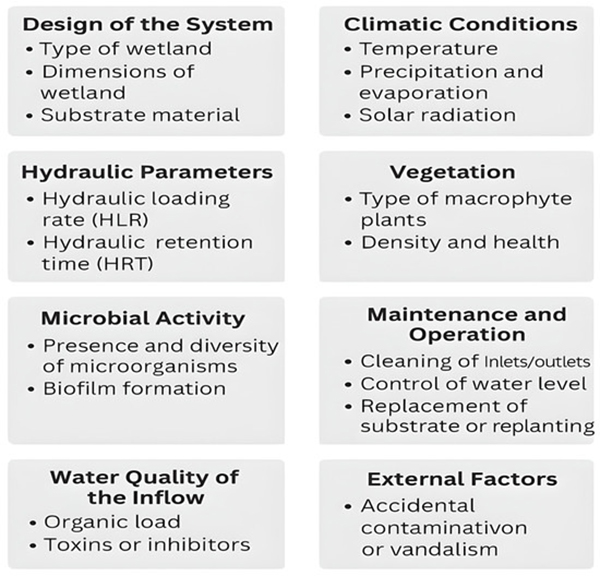
Regarding the impact of plants on aquaculture productivity, plants play multiple roles within the complex substrate-root-microorganism system, which facilitates the development of biofilms responsible for the biochemical transformation of pollutants. In addition, plants absorb nutrients from wastewater that are necessary for their growth and development. Many species have been studied for their role in phytoremediation through constructed wetlands, as presented in this research. However, there remains a wide variety of plant species, particularly in tropical regions with a high aquatic plant diversity, whose potential for pollutant removal is still unknown.
The impact of integrating CWs into aquaculture systems lies in the reduced use of water, which also leads to lower energy consumption for pumping and, consequently, a reduction in production costs. CW systems offer significant environmental and economic advantages. Our results indicate that their construction is economically feasible for aquaculture production, particularly in regions with limited water availability. These systems provide effective water treatment at very low operational costs. However, the costs of implementing such systems vary, largely depending on the economic resources available and the size of the farm. It is evident that as aquaculture systems shift toward more technically advanced closed-loop operations, costs increase.
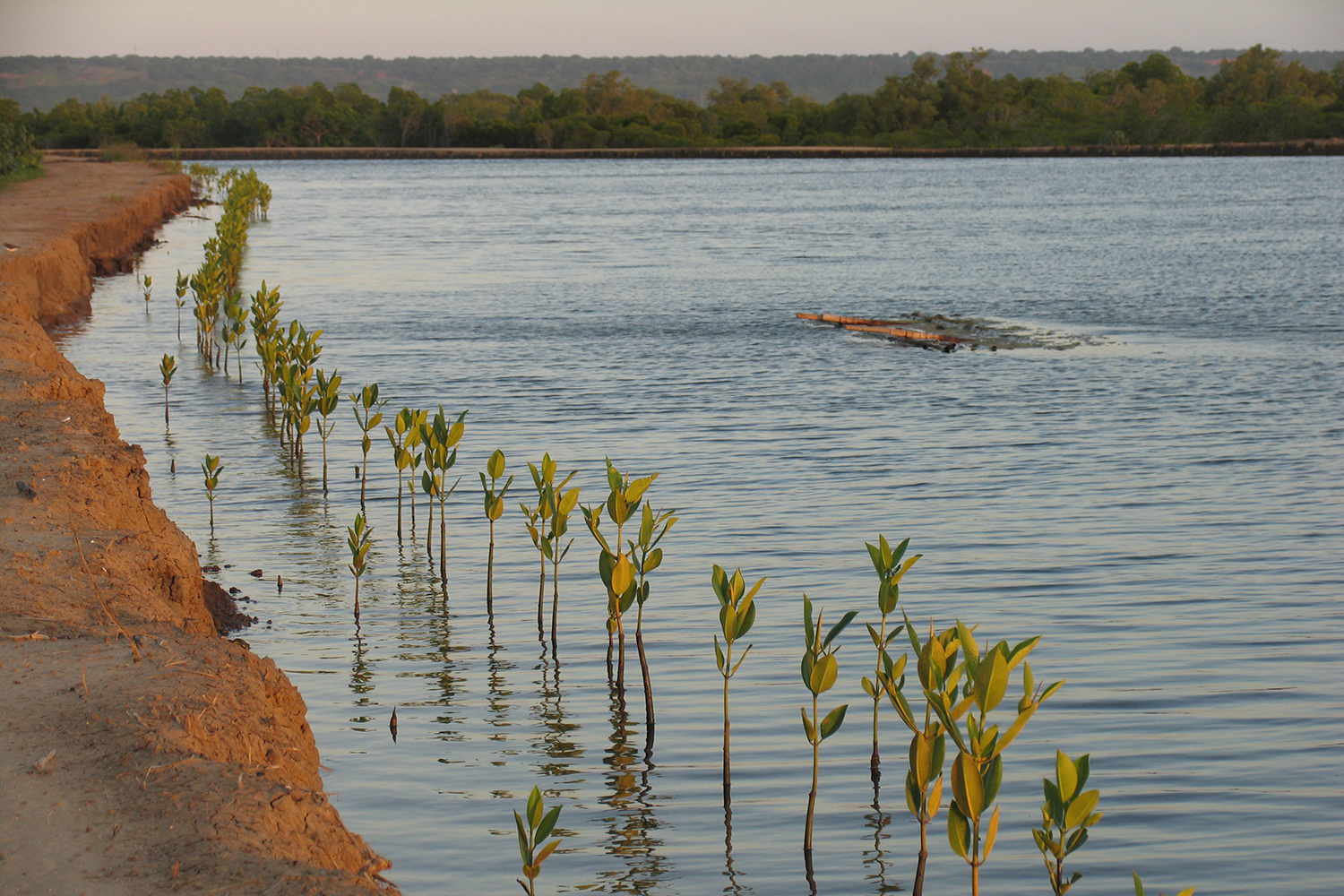
The primary limitation to a full-scale implementation is the lack of the dissemination of successful, practical experiences. Additionally, not all possible design options have been explored or adapted for different climatic regions where aquaculture is practiced. Although CWs have the potential for large-scale application, the aquaculture industry still faces several challenges, and future research should focus on several key aspects, including appropriate design and optimization of treatment wetlands for aquaculture; aquatic animal health and disease control; increased nutrient recovery and resource recovery; greenhouse gas emissions and carbon sequestration; integration of constructed wetlands into the circular economy; and monitoring and assessment of CW performance.
Perspectives
This study highlights a significant knowledge gap in the application of constructed wetlands within the aquaculture sector. The current limited information on both plant and aquaculture species analyzed confirms the need for further research, particularly exploring underutilized plant species to assess their adaptation to CW systems. Additionally, further investigation is required for key aquaculture species and commercially valuable plants to enable CW systems not only to recycle water but also to contribute to agricultural production, thus making the technology more appealing.
It is also necessary to determine which types of full-scale wetlands are most appropriate for mitigating pollution from aquaculture effluents before they reach receiving water bodies. Moreover, research should be expanded on the types of wetlands used in aquaculture, the contaminant removal efficiencies reported, and their integration within recirculating aquaculture systems (RAS). This will help provide useful solutions for various aquaculture practices across different regions of the country. The research field remains vast and largely unexplored.
Finally, it is essential to focus on reducing hydraulic retention times (HRTs) for water purification. Therefore, future studies should investigate the addition of carbon sources, beneficial microorganisms, and artificial aeration systems that could support reducing treatment times and enhance the efficiency of integrated RAS–CW systems.
Now that you've reached the end of the article ...
… please consider supporting GSA’s mission to advance responsible seafood practices through education, advocacy and third-party assurances. The Advocate aims to document the evolution of responsible seafood practices and share the expansive knowledge of our vast network of contributors.
By becoming a Global Seafood Alliance member, you’re ensuring that all of the pre-competitive work we do through member benefits, resources and events can continue. Individual membership costs just $50 a year.
Not a GSA member? Join us.
Authors
-

Instituto Tecnológico Superior de Misantla, Tecnológico Nacional de México, Misantla 93821, CP, Mexico
-
Departamento de Ingeniería Civil, Universidad de Sucre, Carrera 28 No 5-267, Puerta Roja, Sincelejo 700003, Colombia
-
Instituto Tecnológico Superior de Misantla, Tecnológico Nacional de México, Misantla 93821, CP, Mexico
-
Instituto Tecnológico Superior de Misantla, Tecnológico Nacional de México, Misantla 93821, CP, Mexico
-
Corresponding author
Facultad de Ingeniería, Universidad de Sucre, Carrera 28 No 5-267, Puerta Roja, Sincelejo 700003, Colombia
Related Posts
Responsibility
Best management practices minimize impacts of aquaculture effluents
Both aquaculture effluents and production costs can be reduced by using stock-specific feeds applied in smaller quantities several times a day.
Responsibility
A circular economy approach to transform the future of marine aquaculture
Marine microalgae-based aquaculture has the potential to provide greater than 100 percent of global protein demand by 2050.
Health & Welfare
Bacterial pathogens in biofilms pose health risks in recirculating systems
Recirculating aquaculture presents an increased potential for pathogenic bacteria to become established in the system through the formation of biofilms.
Health & Welfare
‘The right thing to do’: How aquaculture is innovating to reduce fish stress and improve animal welfare
With research showing that stress can damage meat quality, fish and shrimp farmers are weighing the latest animal welfare solutions.