
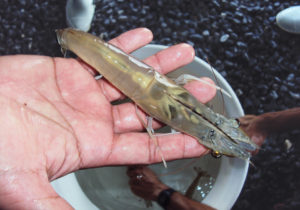
Major league performance requires system-specific performance standards
Since shrimp production facilities vary in size, construction and many other factors, the establishment of performance standards can be challenging.
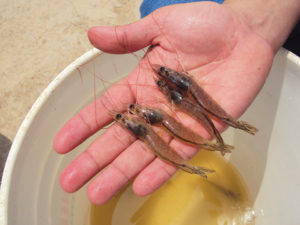
Continuous improvement from farm trials
Continuous improvement is a critical strategy required for the success of any business, including shrimp farming. Routine programs for farm feed trials that incorporate best practices can contribute to better decision making and a faster improvement.
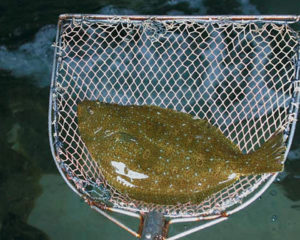
Dietary organic acids improve gut health, disease resistance in olive flounder
A study evaluated the effects of two organic acid blends on performance, gut health and disease resistance in olive flounder. The dietary organic acids were effective in lowering total gut bacterial counts, gut Vibrio counts and in conferring resistance against Edwardsiella tarda.
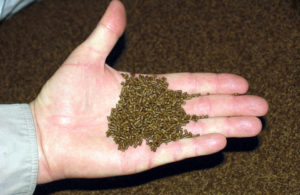
Mycotoxin prevention in aquaculture feeds
Mycotoxins are naturally occurring, toxic chemical compounds produced by molds. When they infect aquaculture feeds and feed ingredients, mycotoxins can affect growth, reproduction and immunity in fish.
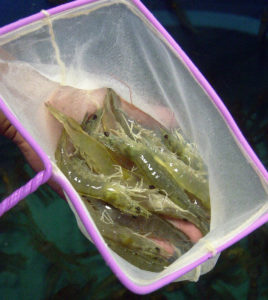
Methionine hydroxy analog supplements low-fishmeal shrimp diets
In a study, the authors evaluated the performance of juvenile white shrimp grown at high density and fed diets with varying levels of methionine. Trends toward improvements in feed intake were observed for diets with reduced fishmeal and HMTBa supplementation.
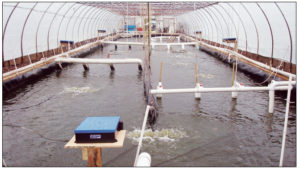
Greenhouse-enclosed superintensive shrimp production
As an alternative to pond production, U.S. scientists have developed bio-secure greenhouse-enclosed raceways for intensive shrimp production with limited water exchange.
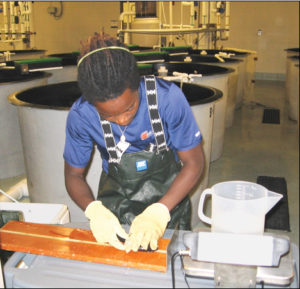
Fatty acid composition of red drum maintained by fishmeal, fish oil
Recent research by the authors evaluated strategies to reduce fishmeal and fish oil in diets for red drum by substituting terrestrial proteins and lipids while maintaining beneficial fatty acids with DHA supplements derived from marine algae.
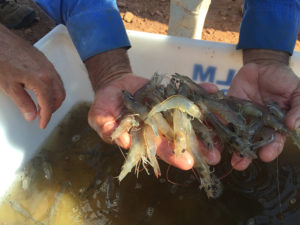
Aquafeed supplementation with crystalline amino acids
Authors present a practical review of modern formulation options including crystalline amino acids in fulfilling nutritional requirements in aquafeeds.
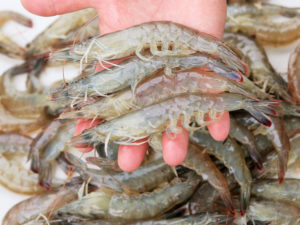
Feed formulations affect shrimp flavor, texture
Fish-free diets are suitable for shrimp production and can generate high-quality product. Consumer preferences for the flavor of shrimp and texture attributes need exploration.
Las formulaciones de alimentos afectan el sabor y la textura de los camarones
Las dietas sin pescado son adecuadas para la producción de camarón y pueden generar productos de alta calidad. Las preferencias de los consumidores por los atributos de sabor y textura de los camarones necesitan ser explorados.

Functional genomics studies explore shrimp responses to viral pathogens
The aim of functional genomics on innate antiviral immunity in marine shrimp is to characterize the genes involved in the response to WSSV and other viruses.

Greenhouse raceways: A consideration for super intensive shrimp production
Greenhouse raceways can be managed with zero to minimal water exchange, thus greatly reducing environmental impacts due to effluent discharge.
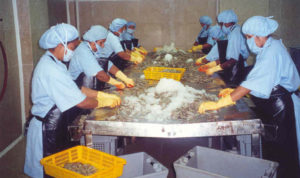
HACCP risk management tool controls viral pathogens at shrimp facilities
An approach like HACCP, which integrates risk assessment, management and communication is necessary to minimize unintended consequences.

Effects of sand, sediment, vertical surfaces on intensive shrimp production
In intensive shrimp-culture systems, sand, sediment and other surface areas can have both positive and negative effects on shrimp production.
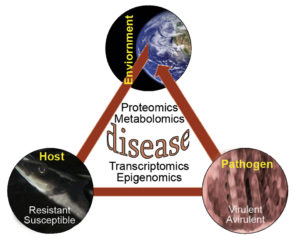
Nutrition and genes research at Virginia Tech
Transcriptomics studies highlight impacts of different treatments on specific genes that can be targeted via nutritional intervention to increase farmed animal performance or welfare.
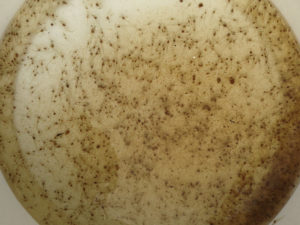
Building a better shrimp nursery, part 2
Shrimp nursery systems offer the shrimp industry an important opportunity to increase profits, by helping produce strong, healthy and uniform juveniles with significant potential for compensatory growth after their transfer for final pond grow-out. Biofloc technology and water quality are critical components of shrimp nursery systems.
Building a better shrimp nursery, part 3
Shrimp nursery systems offer significant potential for compensatory growth after juveniles are transferred to ponds for final grow-out. Nursery feed selection and their management are critical components of shrimp nursery systems.
Construyendo un mejor pre-criadero de camarones, parte 1
Los sistemas de pre-criadero de camarones ofrecen una oportunidad importante para aumentar los beneficios. Los pre-criaderos adecuadamente diseñados y operados son instalaciones altamente bioseguras para criar postlarvas a densidades muy altas. El objetivo es producir juveniles fuertes, sanos y uniformes con un potencial significativo de crecimiento compensatorio después de su transferencia para el crecimiento final en estanques.