
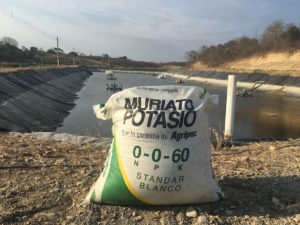
Properties of common commercial fertilizers in aquaculture
Commercial nitrogen and phosphorus fertilizers are widely used in aquaculture production systems to stimulate phytoplankton growth and the food web that provides natural food organisms beneficial to stocked fish fry and shrimp postlarvae.
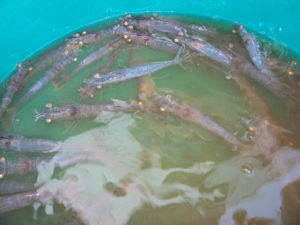
Ammonia toxicity degrades animal health, growth
Ammonia nitrogen occurs in aquaculture systems as a waste product of protein metabolism by aquatic animals and degradation of organic matter, or in nitrogen fertilizers. Exposure can reduce growth and increase susceptibility to diseases in aquatic species.
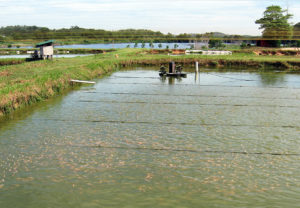
Assessing the carbon footprint of aquaculture
A carbon footprint is an estimate of the total carbon emissions resulting from the production, use and disposal of a product or service. Carbon footprints for aquaculture products result mainly from the use of manufactured feed and mechanical aeration.
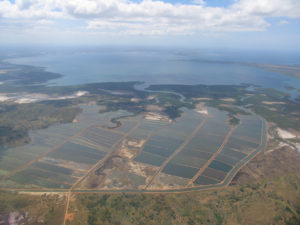
Estimating global shrimp pond area
This article by Dr. Claude Boyd reports on global estimates for shrimp pond area in several countries. Because land use is an important indicator of the environment impact of an activity, better data on the shrimp pond area and the areas devoted to other types of aquaculture are needed.

Estimación del área global de estanques de camarón
Este artículo del Dr. Claude Boyd informa sobre estimaciones globales para el área de estanques de camarones en varios países. Debido a que el uso del suelo es un indicador importante del impacto ambiental de una actividad, se necesitan mejores datos sobre el área de estanques de camarón y las áreas dedicadas a otros tipos de acuacultura.
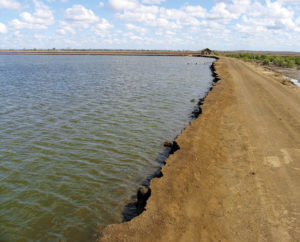
The Shrimp Book: Shrimp pond soil and water quality management
Proper site selection, consideration of soil properties and careful earthwork construction at shrimp farms are essential. Prevention of erosion protects farm infrastructure and reduces sediment accumulation in ponds.
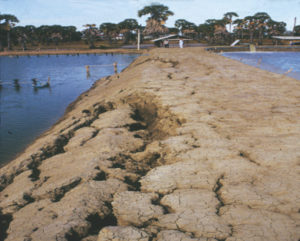
Erosion, sedimentation in earthen aquaculture ponds
The control of external inputs of suspended soil particles to ponds and internal erosion of embankments and bottoms should begin at the design and construction stage.
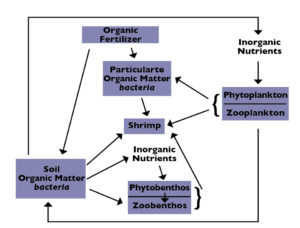
Organic matter for pond fertilizer
Animal manures, grasses and other organic matter have been widely used as fertilizers in aquaculture ponds. The fertilizers decompose and release nutrients that promote the growth of phytoplankton and enhance the base of the food web.
Sludge management at pangasius farm cuts discharges
In modifying its infrastructure and related pond management, QVD Aquaculture uses floating water plants to remove nitrogen and phosphorus from the discharge water. Sludge pens capture sludge at ponds for later reuse.
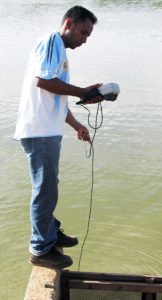
Dissolved oxygen concentrations in pond aquaculture
Various studies suggest that maintaining minimum daily dissolved oxygen concentrations above 3 mg/L in channel catfish and penaeid shrimp ponds assures better feed consumption and growth.
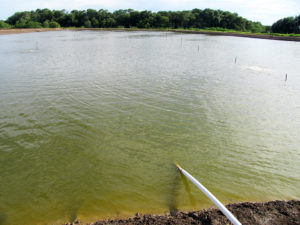
Pond fertilization reevaluated
Although higher rates have been promoted, pond fertilization ratios of 2:1 or 1:1 nitrogen to phosphorus should be maintained in older ponds for food fish production.
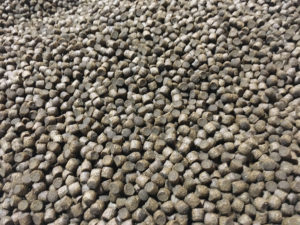
Protein conversion efficiency in aquaculture
Prof. Boyd discusses the overall conversion efficiency of plant protein to animal protein (including pasture animals), which been estimated at 8.3 percent globally. The whole animal conversion for feed-based production is around 35 percent for chickens, 20 percent for swine, and 10 percent for beef.
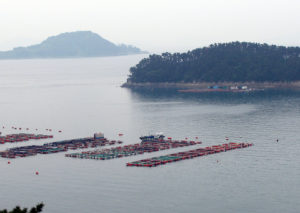
Lake, reservoir characteristics affect cage culture potential
Culture cages should be installed in areas with good water circulation and not placed in embayments with narrow openings or very shallow water.
Calculating chemical treatments for aquaculture production
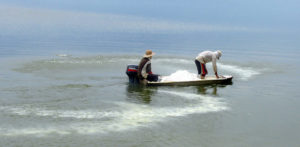
In calculating chemical treatments to apply to ponds, one must adjust for the percentage of the active ingredients in products. Adjustments for both active ingredient content and specific gravity must be made for liquid products.
Dissolved oxygen management in aquaculture
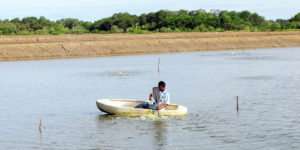
Management of dissolved oxygen in ponds with static water is difficult, so managers of non-aerated ponds usually limit stocking and feeding rates.
Nitrogen, phosphorus, eutrophication and effluent standards for aquaculture certification
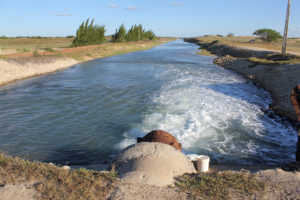
Prof. Boyd discusses eutrophication of water bodies, effluents and nutrients from aquaculture facilities, and aquaculture certification along with the difficulties to develop maximum acceptable concentration limits and load limits for nitrogen and phosphorus discharge.
Nitrógeno, fósforo, eutrofización y estándares de efluentes para certificación acuícola
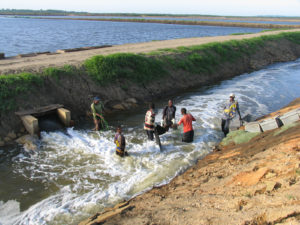
El Prof. Boyd habla sobre la eutrofización de cuerpos de agua, efluentes y nutrientes de las instalaciones acuícolas, y de la certificación acuícola, junto con las dificultades para desarrollar límites de concentración máximos aceptables y límites de carga para la descarga de nitrógeno y fósforo.
Thoughts on pond fertilization
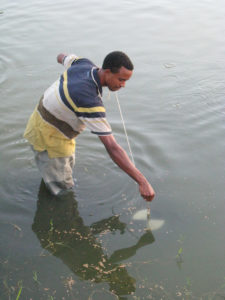
Prof. Boyd provides additional insights into fertilization of aquaculture ponds, discussing phytoplankton requirements, organic and inorganic fertilizers, and other relevant aspects of pond management.