
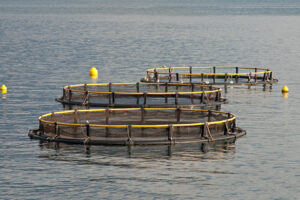
Cermaq Canada completes first salmon cycle with zero sea lice treatments
Cermaq Canada credits Ahousaht partnership after first salmon cycle with zero sea lice treatments and record-low lice levels.
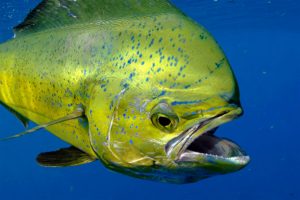
Catch & Culture Review: Worldwide genome-wide genetic diversity and population structure of mahimahi
This review of recent fisheries literatures explores population dynamics of mahimahi, marine protected areas and sea scallop adaptation.

Salmon farmers limiting time at sea for biological risk mitigation
Land-based aquaculture, perhaps the ultimate environmental risk-mitigation tool, was the talk of the town at the IntraFish Seafood Investor Forum. Once scoffed at for high capital and energy requirements, RAS now has a crowded bandwagon.
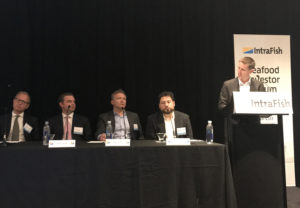
At seafood investor forum, a ‘blue-sky’ outlook and a search for the next salmon
At the IntraFish Seafood Investor Forum in New York, “all roads lead to salmon.” Buoyed by high prices and soaring demand, the sector is an example worth following. But it’s not without its challenges.
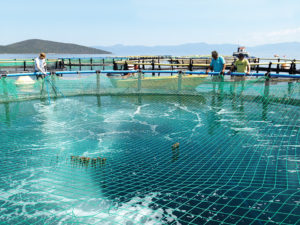
Diffused-air system improves oxygen levels in sea cage culture
Traditional sea cage culture typically relies on natural water exchange to replace oxygen consumed by fish, which may not provide sufficient oxygen – especially during seasonal periods of high temperature.
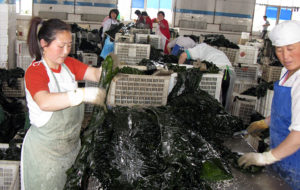
Turning to the sea: Can seaweed help us raise more food more efficiently?
Discussion of aquaculture development should consider trophic levels. Seaweed culture, for example, could possibly double plant food production by farming less than 1 percent of the ocean’s surface.
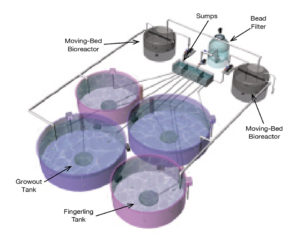
‘Boutique’ RAS for spotted sea trout
A boutique design project validated a land-based, recirculating production system capable of producing 50 metric tons of spotted sea trout per year.
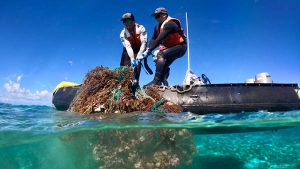
Hawai’i nets $5 million-plus to tackle marine debris
NOAA Sea Grant will support projects to remove and recycle marine debris, improve fishing net technology and develop community partnerships.
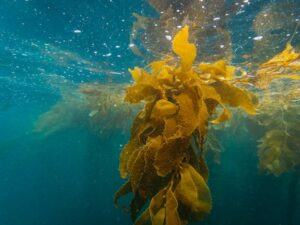
Seaweed farming collaboration a first for Scottish Sea Farms
Scottish Sea Farms is involved in a collaborative salmon and seaweed farming initiative in Loch Spelve to boost the marine environment.
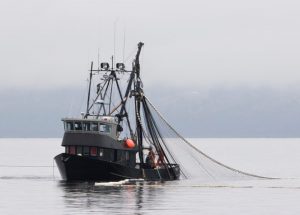
Fisheries in Focus: Science shows sustainable seafood protects rainforests and biodiversity
A recent paper shows how threatened or endangered animals on land and in the sea would be hurt if livestock protein replaced wild-caught fish protein.
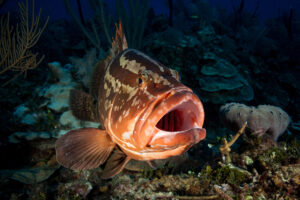
Catch & Culture Review: Fishery management for grouper in relation to the IUCN Red List
This review of fisheries literature looks at management issues for groupers, stocking fish in estuaries and how pH levels impact snow crabs.
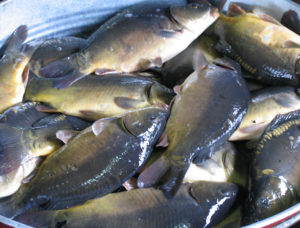
GOAL 2017: Global finfish production review and forecast
Global farmed fish production has increased from 19 million metric tons (MMT) in 2004 to an expected level of 44 MMT in 2017. Next year’s production is expected to be 46 MMT.
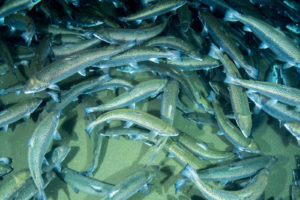
Developments in closed-containment technologies for salmonids, part 2
In the second of a two-part series, Steven Summerfelt discusses various efforts to improve knowledge of closed-containment systems, innovations in fish feed and presents comprehensive concluding remarks.
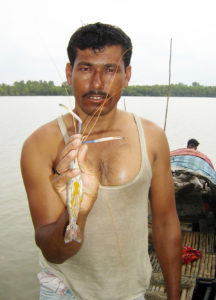
Prawn farming in Bangladesh faces climate change threats
The inadequate supply of postlarvae is a bottleneck for prawn production in Bangladesh. A shortage of wild broodstock to supply the hatcheries is an ongoing concern.
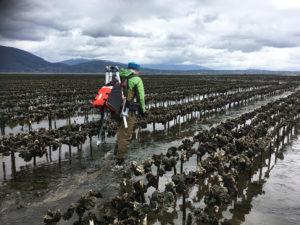
To protect sensitive habitat, oyster farms turn to high-tech tools
Drones and GoPro cameras are helping researchers, regulators and operators understand how shellfish farming interacts with sensitive habitats like eelgrass beds.
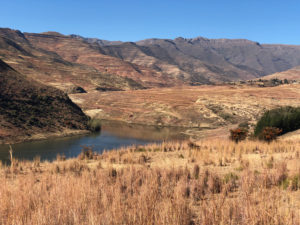
Africa’s first land-based salmon farm a landmark for Lesotho
A Singapore-based company aims to make Lesotho, a nation of 2 million people, known for a local fish that’s truly anything but local: Atlantic salmon.
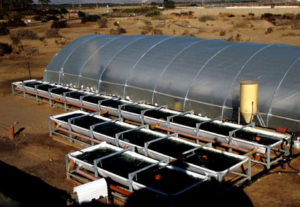
Integrated fish-seaweed culture systems
The use of integrated mariculture systems incorporating seaweed biofilters addresses the impact of discharges, promoting more sustainable production.
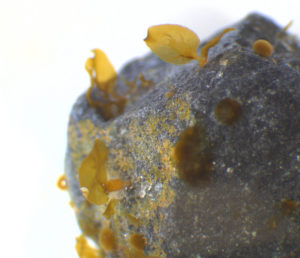
Kelp parachutes: Green gravel reforestation projects showing promise
Researchers are growing kelp seedlings on ‘green gravel’ and then scattering them on the ocean floor, where they’ll hopefully anchor and flourish.