
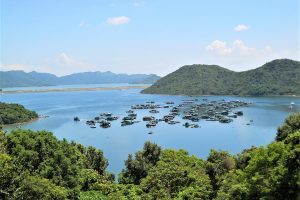
Net carbon emissions and economic growth of marine aquaculture in China
Study results can enhance the ecological value of the marine aquaculture carbon sink and create a “decarbonization space” for sustainable development.
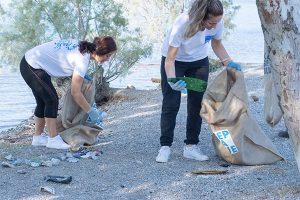
Tesco to recycle discarded plastic waste from coastal areas into seafood packaging
Tesco has announced plans to recycle and reuse discarded plastic waste from coastal areas into their fresh fish packaging.
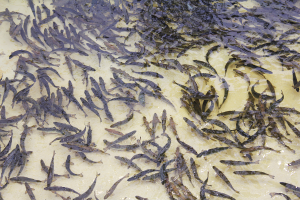
The diet of wild Atlantic salmon post-smolts has gone largely unchanged for 20 years
A well-documented ecological regime shift in the Northeast Atlantic did not have a large impact on salmon post-smolts’ diets in Norwegian fjords.
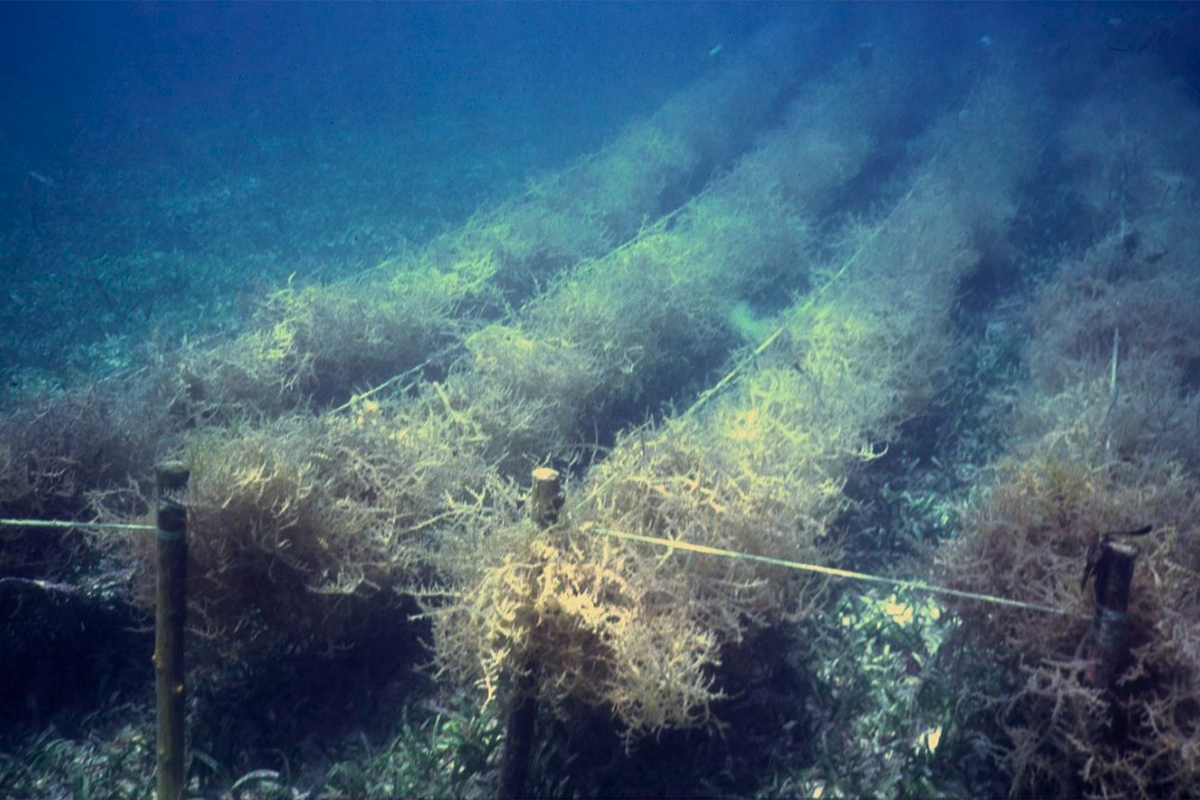
Deep-ocean seaweed dumping for carbon sequestration called questionable, risky and not the best use of valuable biomass
Study: Without sound science on the impacts to fragile ecosystems, seaweed carbon sequestration distracts from more effective interventions.

Quantifying future climate-driven shifts in the distribution of common squid
Findings stress the relevance of flexible squid fishery scheduling and management in response to climate-driven changes in habitat suitability.
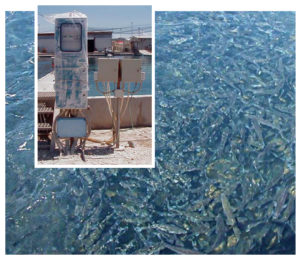
Intensive fish farming in Italy
Intensive production equipment and management techniques allow the Nuova Azzurro Fish Farm in Italy to raise about 50 metric tons of sea bass per raceway per year.

Urchinomics and Maruyama Suisan launch sea urchin ranching site in Japan
Sea urchin aquaculture venture Urchinomics has opened a sea urchin-ranching site in Nagato, Japan, in partnership with seafood processor Maruyama Suisan.
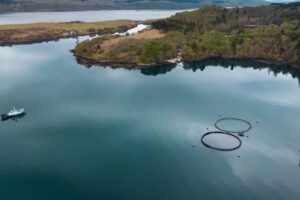
New method could turn sea lice secretions into targets for vaccine development
Researchers are analyzing sea lice secretions to identify proteins that could become targets for future vaccines and parasite controls.
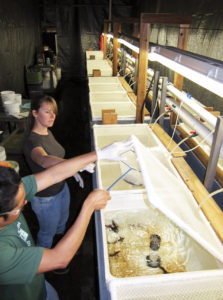
Saturated fatty acid-rich soybean oil spares fish oil in sea bass feed
Fish oil sparing has proven difficult for fish species, like sea bass, that require the long-chain polyunsaturated fatty acids (LC-PUFAs) abundant in fish oil but lacking in most alternative fats and oils used in aquafeeds.
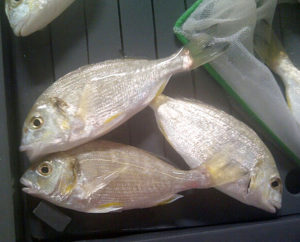
Practical feeds without fishmeal suitable for gilthead sea bream
In a study, the performance of gilthead sea bream juveniles fed diets with no fishmeal was compared to that of bream fed diets with 30 or 10 percent fishmeal.
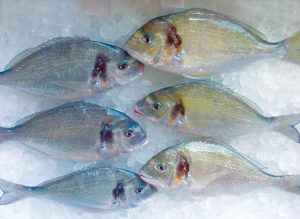
Finishing diet improves sea bream quality
A finely tuned fishing diet can improve growth and feed utilization of sea bream grown previously on diets with low levels of fishmeal and fish oil.
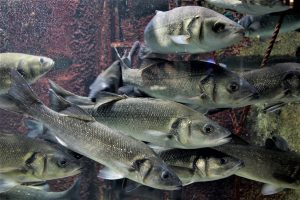
Evaluation of a commercial microbial enhanced protein in European sea bass diets
As a protein source and fishmeal replacement in European sea bass diets, a microbial enhanced protein demonstrates cost effectiveness and other benefits.

R&D collaboration to explore using AI to count sea lice
The Danish Technological Institute and Benchmark Genetics are exploring the use of artificial intelligence (AI) to count sea lice on salmon.

Maine kelp company discusses blue economy issues at World Economic Forum in Davos
Atlantic Sea Farms CEO speaks on blue foods and climate-change adaptation at World Economic Forum in Davos, Switzerland.
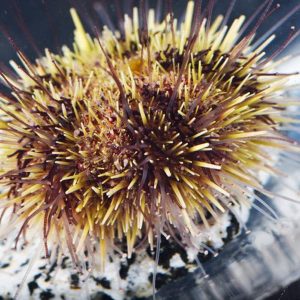
Sea urchins struggle with their grip due to climate change: study
Biologists say sea urchins' adhesive abilities are hampered by differing levels of water salinity caused by climate change-associated events.
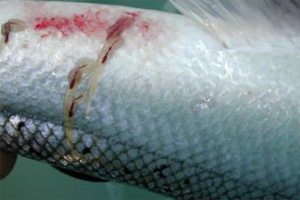
Scientists are developing a new ‘groundbreaking’ oral vaccine for sea lice in farmed Atlantic salmon
A new oral vaccine using reverse vaccinology and artificial intelligence may help with sea lice challenges faced by the aquaculture industry.
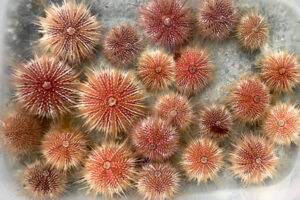
Study: Increased rainfall from climate change threatens UK sea urchins
A new study finds that sea urchins deteriorated physically when immersed in less salty water – a risk that could occur with climate change.
Canadian biotech company secures patent for in-feed treatment to combat sea lice
EVAH’s patented in-feed treatment targets sea lice with over 99 percent efficacy, aiming to cut costs and improve fish welfare.