Global Seafood Alliance Logo
  • Advocate Magazine
  • Aquademia Podcast
  • Blog
  • Contact

Find us on social media

  • Instagram
  • Facebook
  • LinkedIn
  • YouTube
  • Log In
  • About
    • Who We Are
    • Our History
    • Our Partners
    • Our Team
    • Sustainable Development Goals
  • Membership
    • Overview
    • Our Members
    • Corporate Membership
    • Membership FAQs
  • Summit Event
  • Certification
    • Our Certification Programs
    • Get Certified
    • For Consumers
Log In
  • About
    • Who We Are
    • Our History
    • Our Partners
    • Our Team
    • Sustainable Development Goals
  • Membership
    • Overview
    • Our Members
    • Corporate Membership
    • Membership FAQs
  • Summit Event
  • Certification
    • Our Certification Programs
    • Get Certified
    • For Consumers
  • Advocate Magazine
  • Aquademia Podcast
  • Blog
  • Contact

Search Results

You searched for Fernando Aranguren. We found 161 results.

Search results were limited to Advocate articles. To search the entire site, use the search in the main navigation.
Assessment of transmission risk in cooked, WSSV-infected shrimp

6 April 2020

Assessment of transmission risk in cooked, WSSV-infected shrimp

Exported cooked shrimp infected with White Spot Syndrome Virus (WSSV) and tested positive by PCR is considered a risk factor for the introduction of the pathogen. 

Evaluación del riesgo de transmisión en camarones cocidos infectados con WSSV

20 April 2020

Evaluación del riesgo de transmisión en camarones cocidos infectados con WSSV

Los camarones cocidos exportados infectados con el virus del síndrome de la mancha blanca (WSSV) y con resultado positivo por PCR se consideran un factor de riesgo para la introducción del patógeno. 
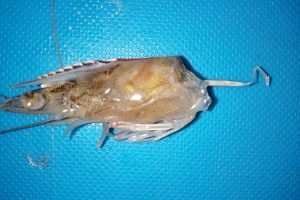
Study: White Feces Syndrome in shrimp can be caused by more than one pathogen

28 February 2022

Study: White Feces Syndrome in shrimp can be caused by more than one pathogen

An experimental reproduction of White Feces Syndrome demonstrates that Pacific white shrimp can be concurrently infected with two known pathogens. 

Estudio: Síndrome de Heces Blancas en camarones puede ser causado por más de un patógeno

14 March 2022

Estudio: Síndrome de Heces Blancas en camarones puede ser causado por más de un patógeno

Una reproducción experimental del Síndrome de Heces Blancas demuestra que el camarón blanco del Pacífico puede infectarse simultáneamente con dos patógenos conocidos. 
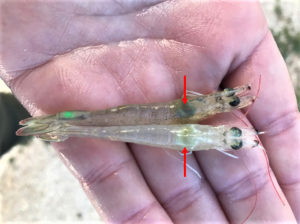
Updates on shrimp diseases AHPND, NHP at Aquaculture America 2018

19 March 2018

Updates on shrimp diseases AHPND, NHP at Aquaculture America 2018

Several shrimp-disease papers were presented at Aquaculture America 2018, including one on the detection of AHPND at a site in the United States. 

University of Arizona shrimp pathology short course begins in June

6 May 2022

University of Arizona shrimp pathology short course begins in June

The University of Arizona's renowned Aquaculture Pathology Lab will host a six-day course next month featuring expert lecturers and hands-on exercises. 

Proper water circulation in aquaculture ponds, Part 2

29 April 2016

Proper water circulation in aquaculture ponds, Part 2

Promoting water circulation during the day time is an effective strategy to enrich pond water with oxygen produced by photosynthesis, and can significantly reduce the costs of night time supplemental aeration. Many types of effective, commercial water circulators are available. 

La correcta circulación del agua en los estanques, Parte 2

18 May 2016

La correcta circulación del agua en los estanques, Parte 2

El promover la circulación del agua durante el día es una estrategia eficaz para enriquecer el agua del estanque con el oxígeno producido por la fotosíntesis, y puede reducir significativamente los costos de aireación suplementaria en la noche. Muchos tipos de bombas de circulación de agua comerciales eficaces están disponibles. 

A comprehensive look at the Proficiency Test for farmed shrimp

8 January 2018

A comprehensive look at the Proficiency Test for farmed shrimp

The University of Arizona Aquaculture Pathology Laboratory has carried out the Proficiency Test (PT) since 2005, with 300-plus diagnostic laboratories participating while improving their capabilities in the diagnosis of several shrimp pathogens. 

AHPND is a chronic disease in Pacific white shrimp from Latin America

17 August 2020

AHPND is a chronic disease in Pacific white shrimp from Latin America

There is a new phase of infection for Acute Hepatopancreatic Necrosis Disease on Latin American shrimp farms, a contrast to observations in Southeast Asia. 

AHPND es una enfermedad crónica del camarón blanco del Pacífico de América Latina

31 August 2020

AHPND es una enfermedad crónica del camarón blanco del Pacífico de América Latina

Hay una nueva fase de infección para la enfermedad de Necrosis Hepatopancreática Aguda en las granjas camaroneras de América Latina, en contraste con las observaciones del sudeste asiático. 
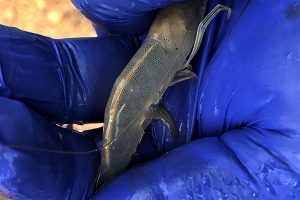
How salinity levels impact EHP infection rates in Pacific white shrimp

15 August 2022

How salinity levels impact EHP infection rates in Pacific white shrimp

An EHP infection can occur at a salinity as low as 2 ppt but the prevalence and the severity of the EHP infection is higher at 30 ppt salinity. 

Cómo los niveles de salinidad afectan las tasas de infección por EHP en el camarón blanco del Pacífico

29 August 2022

Cómo los niveles de salinidad afectan las tasas de infección por EHP en el camarón blanco del Pacífico

Una infección por EHP puede ocurrir a una salinidad tan baja como 2 ppt, pero la prevalencia y la gravedad de la infección por EHP es mayor a una salinidad de 30 ppt. 
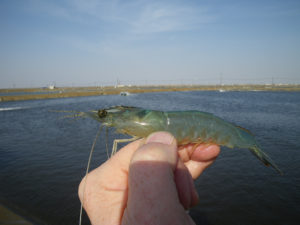
EHP a risk factor for other shrimp diseases

22 May 2017

EHP a risk factor for other shrimp diseases

Laboratory challenges and a case-control study were used to determine the effects of EHP infection on two Vibrio diseases: acute hepatopancreatic necrosis disease (AHPND) and septic hepatopancreatic necrosis (SHPN). 

EHP es un factor de riesgo para otras enfermedades del camarón

4 June 2017

EHP es un factor de riesgo para otras enfermedades del camarón

Desafíos de laboratorio y un estudio caso-control se utilizaron para determinar los efectos de la infección por EHP en dos enfermedades de Vibrio: necrosis hepatopancreática aguda (AHPND) y necrosis hepatopancreática séptica (SHPN). 
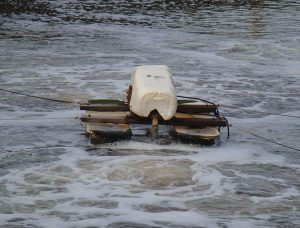
Common salt a useful tool in aquaculture, part 1

23 May 2016

Common salt a useful tool in aquaculture, part 1

The preventive use of common salt (sodium chloride) by commercial producers of freshwater fishes has many benefits, including helping with the routine prevention of losses due to diseases, stress and mishandling during transport, harvesting, grading, counting, weighing and induced spawning. 
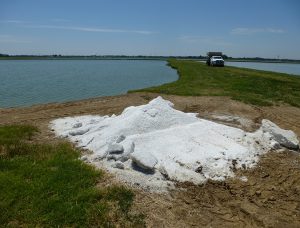
Common salt a useful tool in aquaculture, part 2

26 May 2016

Common salt a useful tool in aquaculture, part 2

The preventive use of common salt (sodium chloride) by commercial producers of freshwater fishes has many benefits, including helping with the routine prevention of losses due to diseases, stress and mishandling during transport, harvesting, grading, counting, weighing and induced spawning. 

La sal común es una herramienta útil en la acuacultura, parte 1

24 June 2016

La sal común es una herramienta útil en la acuacultura, parte 1

El uso preventivo de sal común (cloruro de sodio) por los productores comerciales de peces de agua dulce tiene muchos beneficios, incluyendo ayudar a la prevención de rutina de pérdidas debidas a las enfermedades, el estrés y el mal manejo durante el transporte, recolección, clasificación, conteo, pesaje y desove inducido. 

Posts pagination
1 2 3 … 9 »

About The Advocate

The Responsible Seafood Advocate supports the Global Seafood Alliance’s (GSA) mission to advance responsible seafood practices through education, advocacy and third-party assurances. New feature stories and technical articles are published every two weeks!

Learn More

Search Responsible Seafood Advocate
Ad for [membership]

Sponsorship Opportunities

2026 Summit Sponsorship

Categories

Aquafeeds Aquafeeds Fisheries Fisheries From Our Sponsors From Our Sponsors Health & Welfare Health & Welfare Innovation & Investment Innovation & Investment Intelligence Intelligence Responsibility Responsibility Artículos en Español icon Artículos en Español

Don't Miss an Article

Featured

  • Innovation & Investment Responsible Seafood Innovation Award finalist: How upcycling plastic bottles could help small-scale fisheries cut dolphin bycatch
    Responsible Seafood Innovation Award finalist: How upcycling plastic bottles could help small-scale fisheries cut dolphin bycatch
  • Innovation & Investment Responsible Seafood Innovation Award finalist: Why using 100% of Great Lakes fish is ‘the right thing to do’
    Responsible Seafood Innovation Award finalist: Why using 100% of Great Lakes fish is ‘the right thing to do’
  • Innovation & Investment Responsible Seafood Innovation Award finalist: How blue-violet LED lights could help longline fisheries reduce bycatch
    Responsible Seafood Innovation Award finalist: How blue-violet LED lights could help longline fisheries reduce bycatch

Popular Tags

Ad for [membership]
  • About
  • Membership
  • Resources
  • Best Aquaculture Practices (BAP)
  • Best Seafood Practices (BSP)
  • Summit Events
  • Advocate Magazine
  • Aquademia Podcast
  • Blog
  • Contact
  • Glossary
  • Privacy Policy

Stay up to date with GSA

Find us on social media

  • Instagram
  • Facebook
  • LinkedIn
  • YouTube
Copyright © 2026 Global Seafood Alliance
All rights reserved.
Terms of Use