
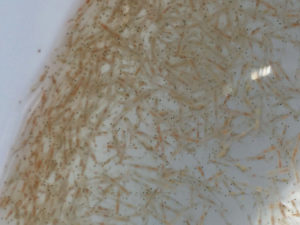
Global brine shrimp supply a potential bottleneck to aquaculture expansion, part 2
Shrimp larvae do not need artemia, but they need its nutrients. A synthetic artemia can support aquaculture’s increasing role as a responsible provider of food for the world’s growing human population.
Aquaculture 2019: Triennial meeting examines global industry status
The triennial Aquaculture 2019 meeting – which also celebrated the 50thanniversary of the World Aquaculture Society – featured all segments of the aquaculture value chain during 104 technical sessions.
Acuacultura 2019: La reunión trienal examina el estado global de la industria
La reunión trienal de Acuacultura 2019, que también celebró el 50 aniversario de la Sociedad Mundial de Acuacultura, presentó a todos los segmentos de la cadena de valor de la acuacultura durante 104 sesiones técnicas.
Lab evaluation methods quantify probiotic benefits
Due to the inherent complexities of field testing, definitive laboratory-based test methods can better quantify probiotic benefits.
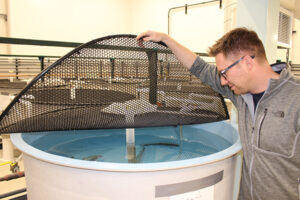
University of Waterloo opens research facility to study effects of climate change on fish stress
The University of Waterloo has opened a new research facility to study the effects of climate change on fish stress.
Prevention of WSSV: Water management strategies
White Spot Syndrome Virus (WSSV) is a virulent pathogen that is threatening shrimp farming industries worldwide.

Aquaculture 2016: Examining the industry’s role in the food system
A wide range of important topics was discussed at the Aquaculture 2016 conference and trade show in Las Vegas last week. Editor Emeritus Darryl Jory shares his notes from the four-day event, which occurs every three years.
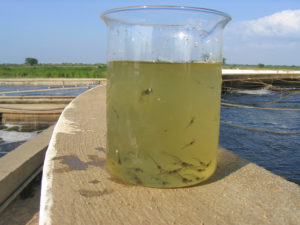
Building a better shrimp nursery, part 1
Shrimp nursery systems offer an important opportunity to increase profits. Properly designed and operated nurseries are highly biosecure facilities to grow postlarvae at very high densities.
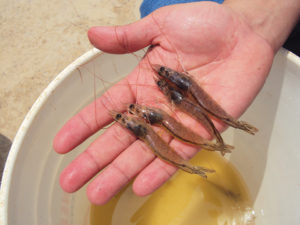
Continuous improvement from farm trials
Continuous improvement is a critical strategy required for the success of any business, including shrimp farming. Routine programs for farm feed trials that incorporate best practices can contribute to better decision making and a faster improvement.
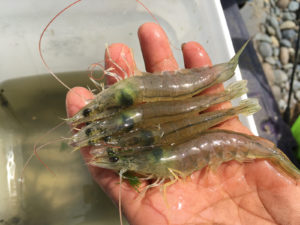
Updates on shrimp diseases AHPND, NHP at Aquaculture America 2018
Several shrimp-disease papers were presented at Aquaculture America 2018, including one on the detection of AHPND at a site in the United States.
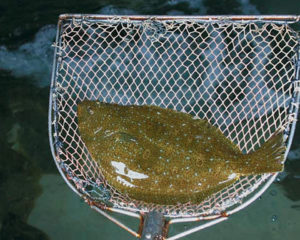
Dietary organic acids improve gut health, disease resistance in olive flounder
A study evaluated the effects of two organic acid blends on performance, gut health and disease resistance in olive flounder. The dietary organic acids were effective in lowering total gut bacterial counts, gut Vibrio counts and in conferring resistance against Edwardsiella tarda.
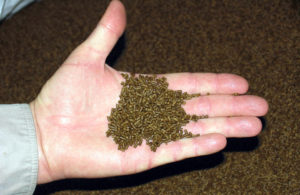
Mycotoxin prevention in aquaculture feeds
Mycotoxins are naturally occurring, toxic chemical compounds produced by molds. When they infect aquaculture feeds and feed ingredients, mycotoxins can affect growth, reproduction and immunity in fish.
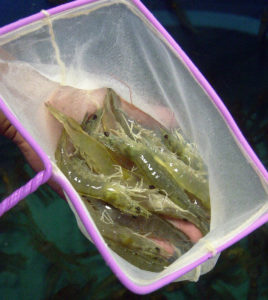
Methionine hydroxy analog supplements low-fishmeal shrimp diets
In a study, the authors evaluated the performance of juvenile white shrimp grown at high density and fed diets with varying levels of methionine. Trends toward improvements in feed intake were observed for diets with reduced fishmeal and HMTBa supplementation.
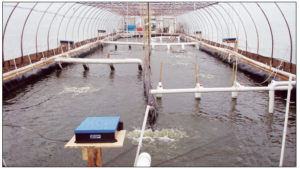
Greenhouse-enclosed superintensive shrimp production
As an alternative to pond production, U.S. scientists have developed bio-secure greenhouse-enclosed raceways for intensive shrimp production with limited water exchange.
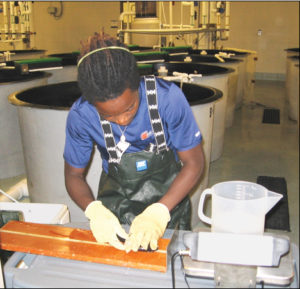
Fatty acid composition of red drum maintained by fishmeal, fish oil
Recent research by the authors evaluated strategies to reduce fishmeal and fish oil in diets for red drum by substituting terrestrial proteins and lipids while maintaining beneficial fatty acids with DHA supplements derived from marine algae.
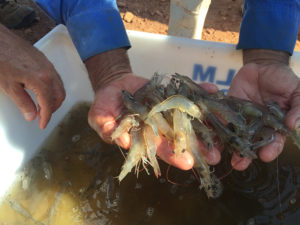
Aquafeed supplementation with crystalline amino acids
Authors present a practical review of modern formulation options including crystalline amino acids in fulfilling nutritional requirements in aquafeeds.

Aquafeed moonshots at the F3 ‘talent show’
At the F3 (fish-free feed) Companies Got Talent event in Burlingame, Calif., last week, alternative (non-marine) aquafeed ingredient companies spoke of decoupling aquaculture from fishmeal and fish oil in their quest for greater sustainability.
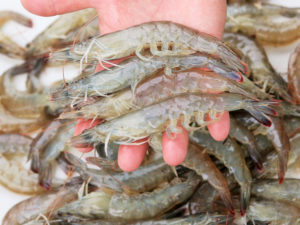
Feed formulations affect shrimp flavor, texture
Fish-free diets are suitable for shrimp production and can generate high-quality product. Consumer preferences for the flavor of shrimp and texture attributes need exploration.